Give Now


Category Archives: Instagram

Object of the Month: December 2024

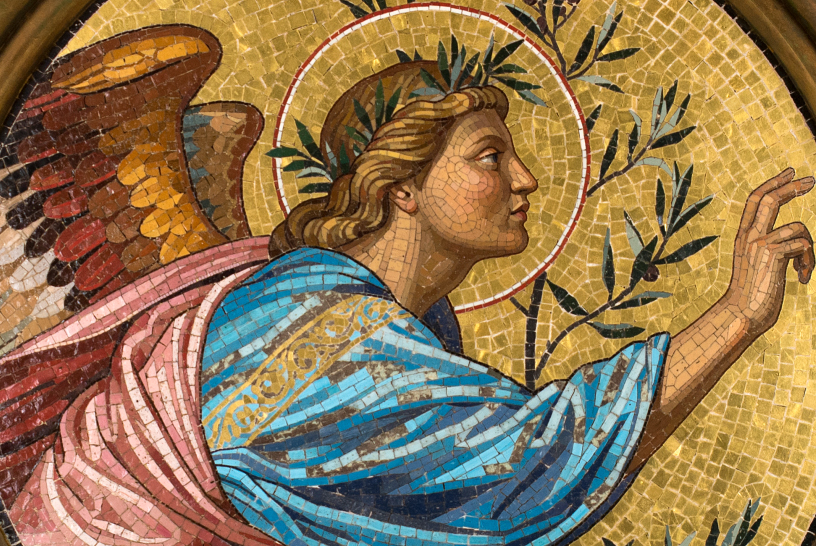
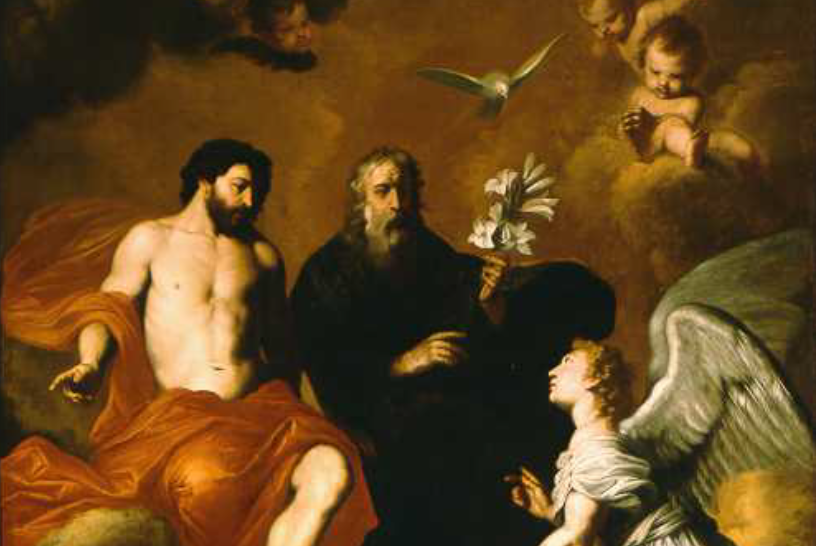
Scenes from The Annunciation: God the Father in a Glory of Angels, St. Gabriel the Archangel and The Virgin Annunciate

Oil on canvas

Francesco Montemezzano

Venetian, c.1540-after 1602
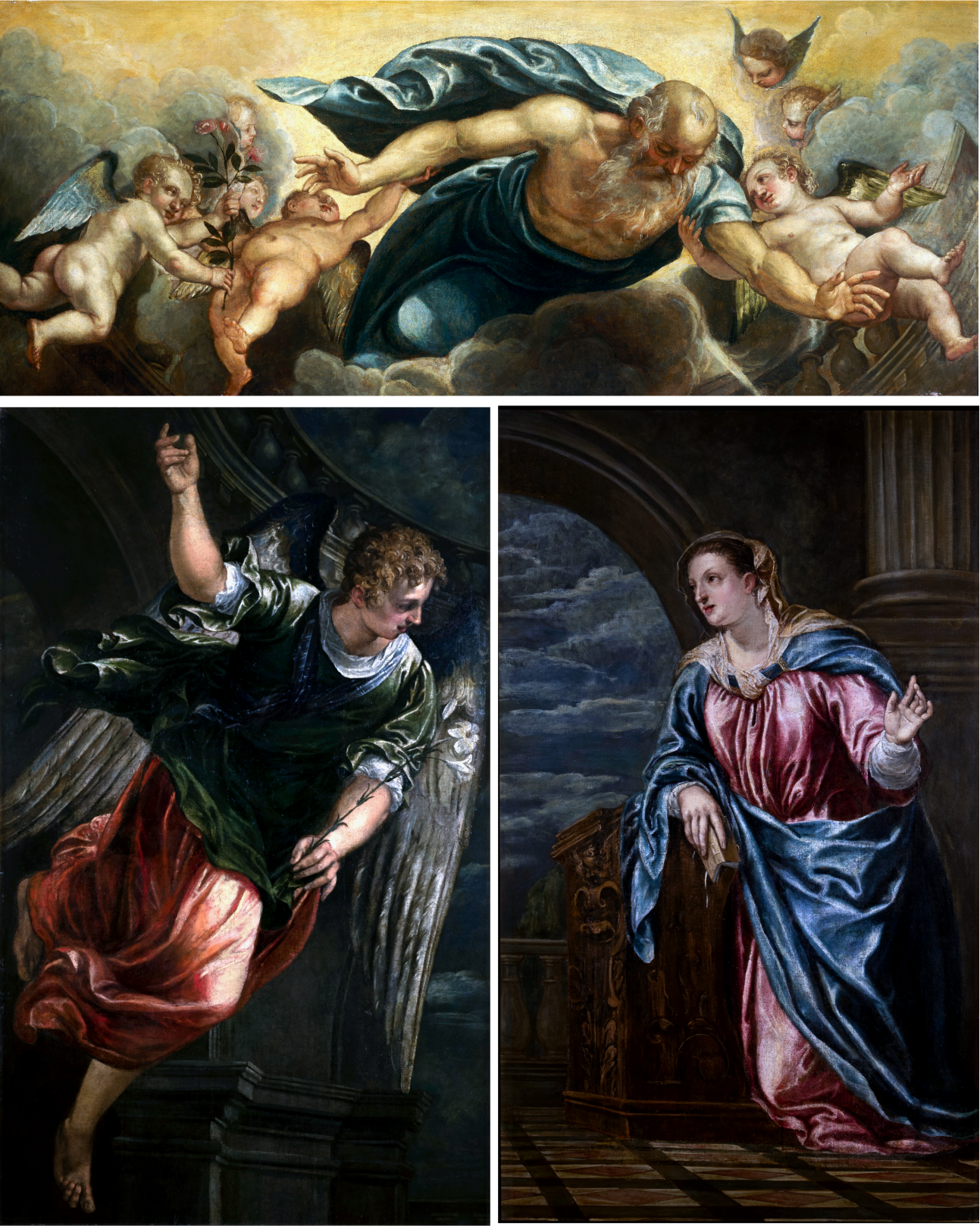
In museum collections, including the Museum & Gallery, there are paintings that were once part of a larger narrative, but now stand as individual works of art. These pieces, usually parts of large altarpieces, have been reduced in size for various reasons such as damage to the whole, for profit, or to fit a new arrangement. Very few that have been broken up have managed to stay together. Francesco Montemezzano’s The Annunciation is one of those lucky few.

At first glance in the galleries, you may notice a similar velvety color palette and free brushwork but may not realize they are one of a whole. If not for the close arrangement in display, one may not be able to see the full image. Originally in a horizontal format, the painting was altered sometime in the seventeenth century to fit a vertical, architectural enframement. Despite this physical cropping, we can still see the theme of the annunciation.

The annunciation is a common subject portrayed in Christian art. The moment is recorded in Luke 1:26-38 where Gabriel informs Mary that she will fulfill the prophecy of Isaiah 7:14 promising “a virgin shall conceive and bear a Son, and shall call His name Immanuel.” This theme became very popular in fifteenth-century altarpieces and were reinterpreted by artists throughout history such as Fra Angelico, Leonardo da Vinci, Botticelli, Caravaggio, Peter Paul Rubens, and John William Waterhouse. Each artist put their own spin on the theme, reflecting the stylistic ethos of the time and the artists’ own taste, but there are common elements.

Mary, Gabriel, and a dove are the main figures. Sometimes they are outside in an hortus conclusus or “enclosed garden,” and other times they are cloistered inside, symbolizing Mary’s chastity. Lilies are usually present, carried by Gabriel or somewhere in the composition, further emphasizing Mary’s purity as a virgin. Mary is commonly shown in prayer with a prayer book or missal kneeling at a prie-dieu. A dove or beam of light usually represents God’s blessing on Mary as His chosen handmaiden or the symbol of immaculate conception.

With this brief background, Montemezzano’s Annunciation stands out. We can see architectural elements throughout the three paintings and a possible garden behind Mary. Was this Montemezzano’s nod to the hortus conclusus? And where is the dove or beam of light that is often shown? Because of its fragmented state, we may never know exactly what the artist designed. However, Montemezzano did include one unique figure in this Annunciation—God the Father. Very few depictions of the annunciation include a physical God the Father, most only show his messenger Gabriel and the dove.

There are actually two other annunciation scenes in M&G’s collection that show God the Father in physical form (one found in galleries 4 and 10). Here, in Montemezzano’s work, God the Father is shown breaking through clouds and the architectural ceiling, symbolizing His passage into the earthly realm. Despite the unique inclusion of God the Father, His presence fits the annunciation theme perfectly. It is a foreshadowing of another part of the Trinity, Jesus, coming into our world to dwell with us as told by Matthew 1:23, “Behold, a virgin shall be with child, and shall bring forth a son, and they shall call his name Emmanuel, which being interpreted is, God with us.”

The Annunciation reminds us of promises fulfilled, how a Savior will dwell with us and come into this broken world to make us whole. While this painting will never have that opportunity to be truly whole again, we as believers are reminded of that promise for us this Christmas season.


KC Christmas Beach, M&G summer art educator


Published 2024
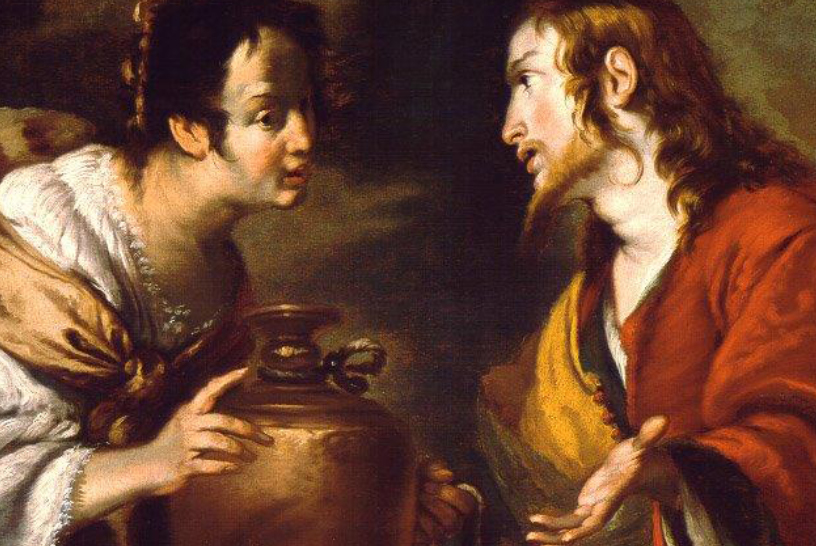
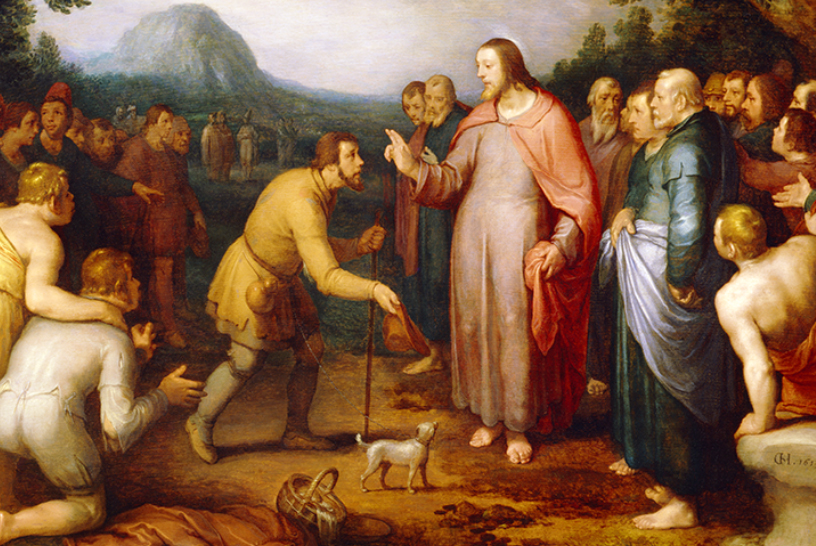
Christ and the Samaritan Woman

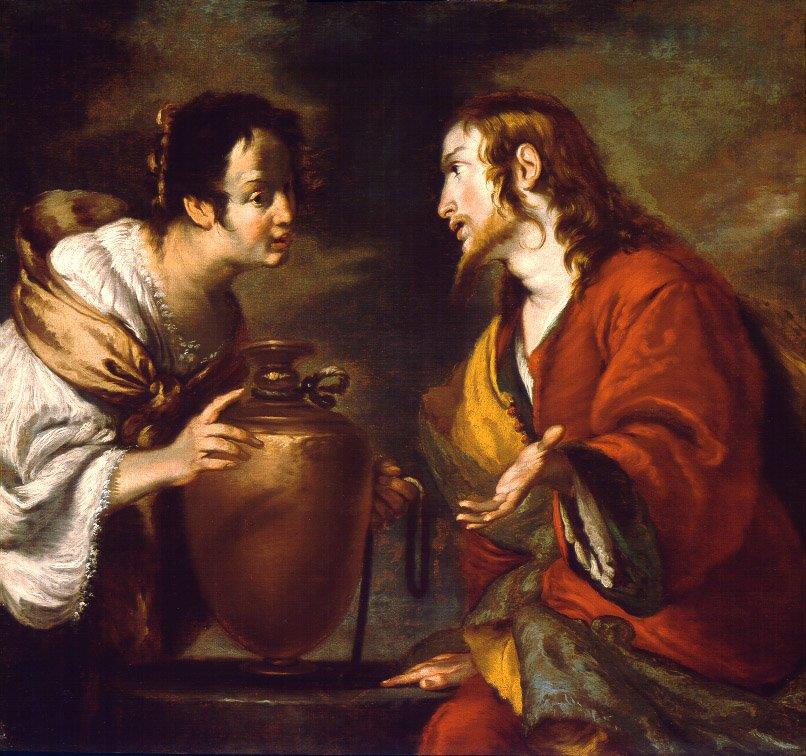
Christ and the Samaritan Woman

Bernardo Strozzi

Below the image, click play to listen.


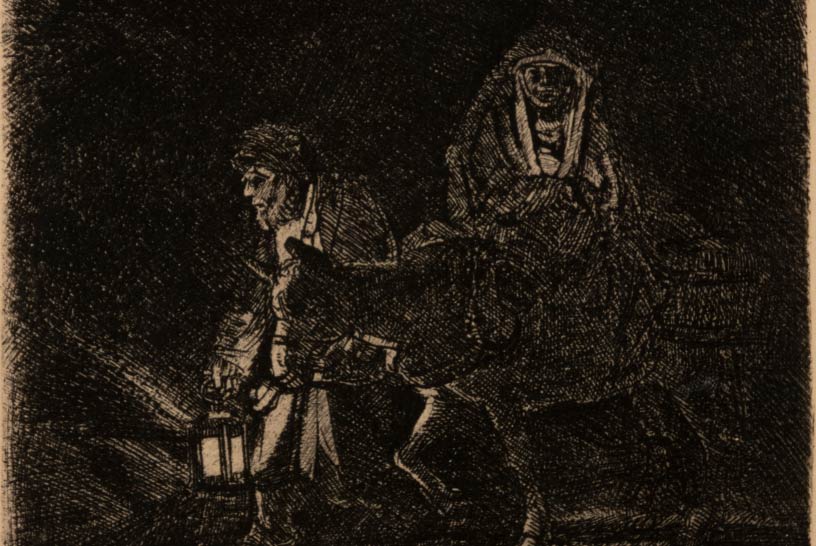
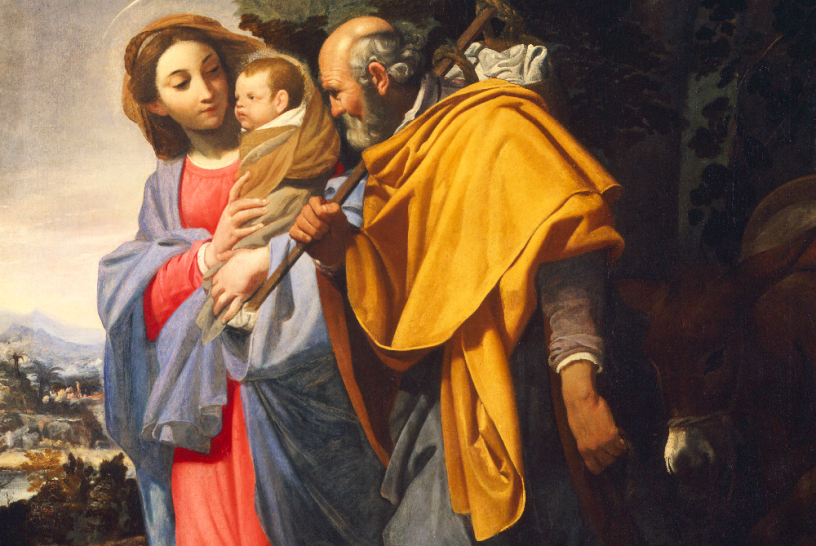
Rest on the Flight into Egypt: Bartolommeo Guidobono

Numerous legends have embellished the Holy Family’s flight into Egypt recorded in Matthew 2:13-15.  Seventeenth-century artist Bartolommeo Guidobono’s depiction draws upon one of the most intriguing.

Object of the Month: November 2024

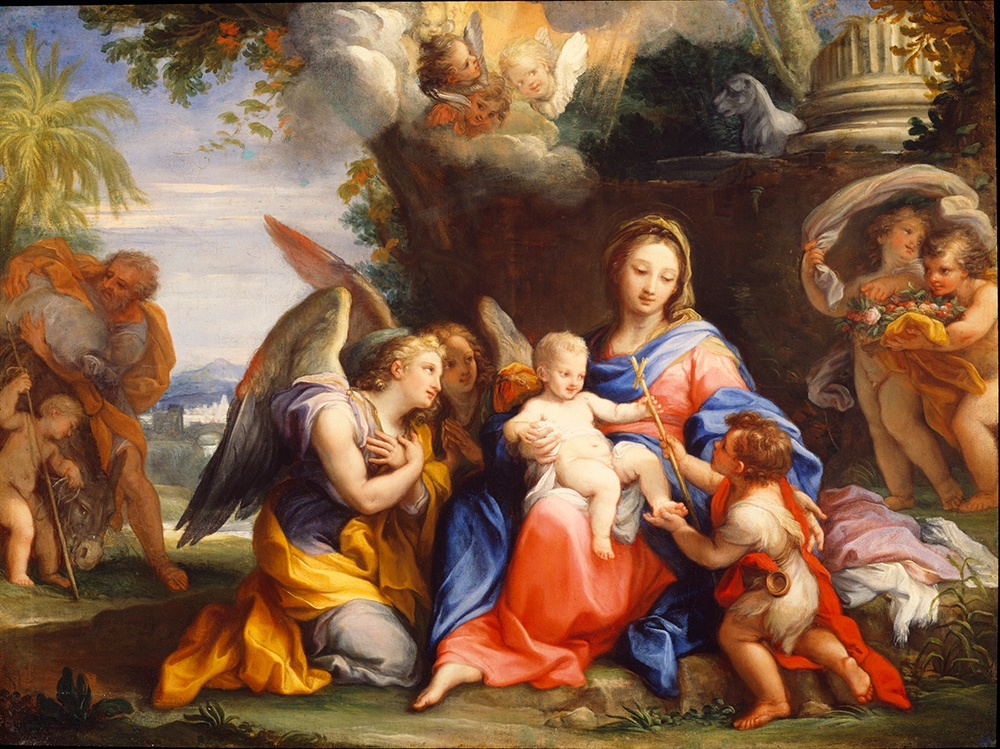
The Return from the Flight into Egypt

Oil on canvas, c. 1712

Giuseppe Bartolomeo Chiari

Roman, 1654-1727

Rome was for centuries the epicenter of culture, art, and religion. At the time of Giuseppe Chiari’s birth, it was also “the scene of a lively debate with a constantly varying interplay of influences, trends, fashions, specialized treatises, and, of course, great masterpieces” (Zuffi, p. 64). At the center of this debate were three artistic movements that Zuffi notes “succeeded one another in a sort of ideal relay race of artistic styles.” The stark naturalism of Caravaggio, the elegant classicism of Annibale Carracci, and the dramatic baroque sculptures and architecture of Gian Lorenzo Bernini would all play a part in making 17th-century Rome—well, Rome!

As president of the Roman Academy Carlo Maratta was keenly aware of these lively debates. Considered one of the most important painters in the latter half of the 17th century, he was much admired for his beautiful frescos and stunning portraits. Although his work evidenced a clear admiration for the classical tradition, several of his paintings also integrated elements of Caravaggio’s vigorous style. David Steel points out that Maratta often “managed to steer a middle course between these two dominant and often contrary trends of baroque painting” (Steel, p. 88).

Maratta was at the summit of his career in 1666 when 12-year-old Giuseppe Chiari entered the great master’s studio. Chiari soon became a star pupil. Over the years, his profound respect for Maratta’s tutelage would not only shape his artistic development but also ensure his future success in a highly competitive environment. When Maratta died in 1713, Chiari took up Maratta’s mantle and became the dominant Roman artist.

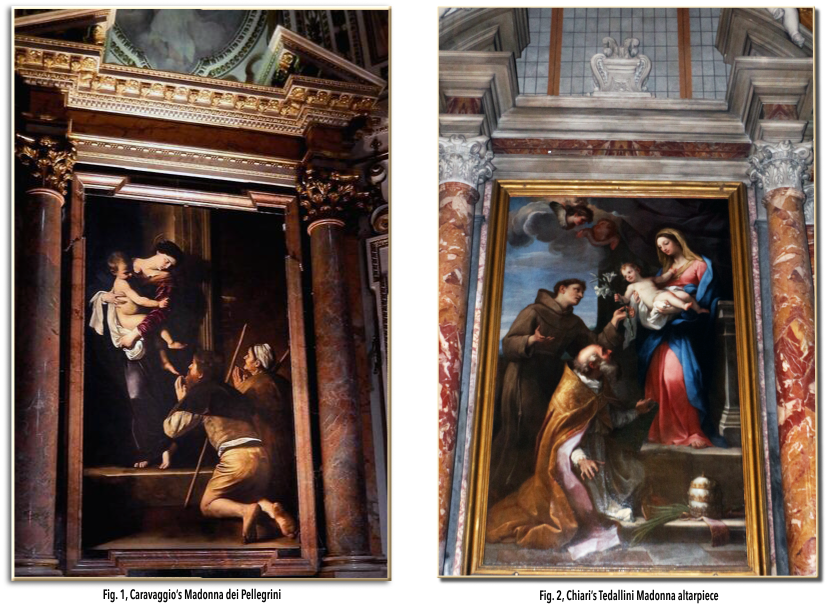
Like Maratta, Chiari broadened his appeal by becoming an astute observer and deft practitioner of integrating stylistic trends. Kathrine and William Wallace highlight this skill in their comparative analysis of Chiari’s Tedallini altarpiece with Caravaggio’s Madonna dei Pellegrini [figs. 1 and 2]:

“The statuesque pose of Chiari’s Madonna, the unusually high step on which she stands, the elongated form of the Christ child framed by a white swaddling cloth, and the overall right-triangular composition recall Caravaggio’s Madonna dei Pellegrini. Yet the suggestion is subtle: Chiari has reversed the composition, naturalized the pose of the Virgin, and substituted the more palatable, well-dressed saints for the dirty feet and common character of Caravaggio’s pilgrims. Although inspired by Caravaggio, Chiari’s altarpiece remains distinctly his own. Chiari’s Madonna looks like a person of warm flesh and blood rather than the marmoreal statue of Caravaggio’s Madonna; Christ is an attractive child of sweet disposition as opposed to the enormous and ungainly figure depicted by the older master. Instead of the muted and earthy colors of the Madonna dei Pellegrini, Chiari’s bright hues are immediately pleasing and a welcome contrast to the comparatively dark paintings found on so many Roman altars” (p. 4).

The Return from the Flight into Egypt provides another example of Chiari’s virtuosity and unique style. Here, however, he turns from echoing the past to adumbrating the future. The refined handling of the paint and elegant figural poses pay homage to the classical tradition; however, the playfulness, delicate coloration, and ornamental enrichment mark the transition into the sensuous, intimate style of the rococo movement which emerged in France and spread throughout Europe in the 18th century (Chilvers, 507).

M&G has two works by Chiari on this subject, one titled The Rest on the Flight into Egypt and this rendering titled The Return from the Flight into Egypt. Over the years scholars have found the less traditional title of this 1712 work problematic. However, “the light-hearted, almost celebratory mood” (echoed in the Rococo style) reinforce the idea that here, Chiari intends to highlight the family’s return from rather than flight into Egypt. Regardless of the debate, art experts like Christopher Johns note that this picture may be the best example of Chiari’s work in America.


Donnalynn Hess, M&G Director of Education


Resources:

Baroque Paintings from the Bob Jones University Collection by David H. Steel

Baroque Painting: Twenty Centuries of Masterpieces from the Era Preceding the Dawn of Modern Art, edited by Stefano Zuffi

Concise Dictionary of Art and Artists, 3rd edition by Ian Chilvers

“Giuseppe Bartolomeo Chiari,” The Art Bulletin, March, 1968, Vol. 50, No. 1 by Bernhard Kerber and Franciscono Renate

“Seeing Chiari Clearly,” Artibus Et Historiae, 2012, Vol. 33, No. 66 by Katherine M. Wallace and William Wallace


Published 2024

A Closer Look

Take a closer look at objects in the collection to discover fascinating details in the materials, narrative, or artists. Each video clip will help you better understand the past as well as enjoy the objects in M&G’s collection. Just click on the images below to get started.

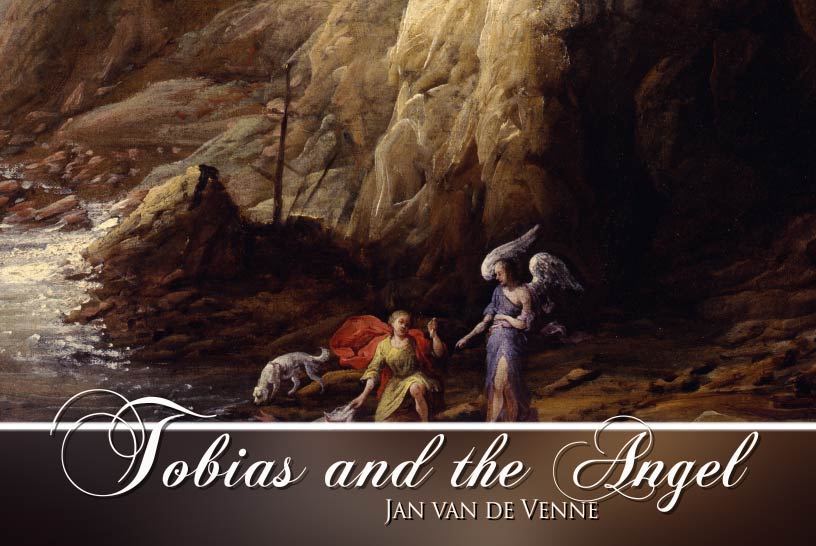
Tobias and the Angel, Jan van de Venne
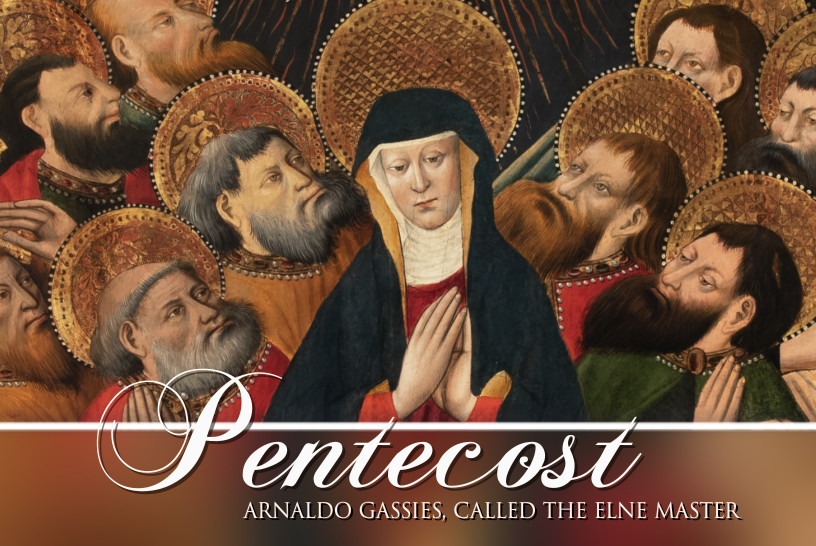
Pentecost, Arnaldo Gassies, called the Elne Master
God Spares Jerusalem from Further Destruction, Jan Boeckhorst
Christ on the Sea of Galilee, Unknown French
An Angel Appearing to Hagar in the Wilderness, Lodovico Gimignani
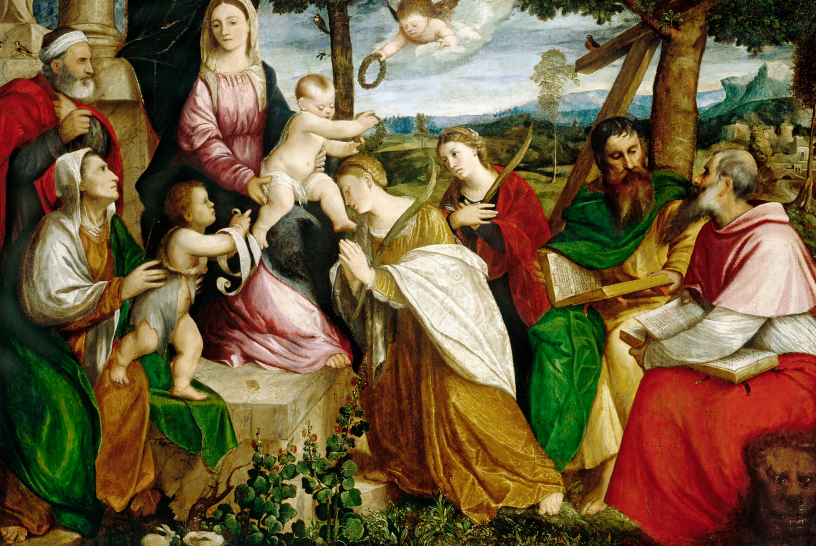
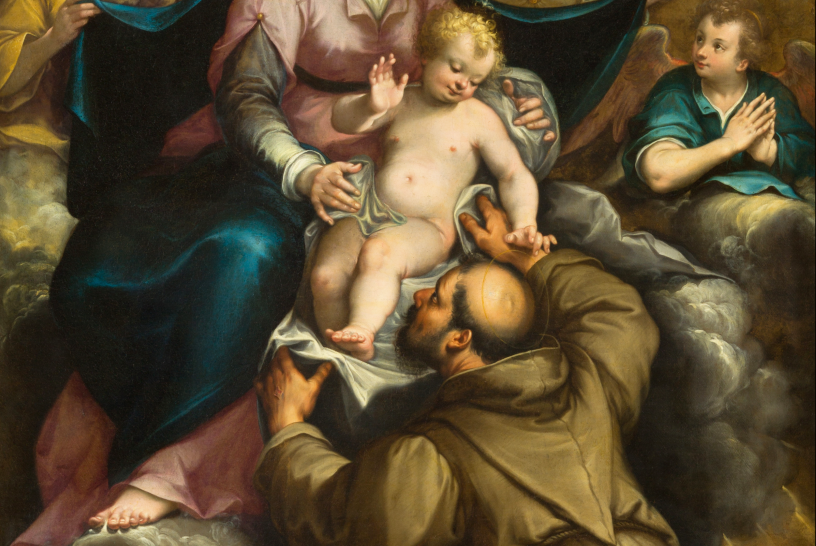
Madonna and Child with Saints and Cherubs, Francesco Menzocchi
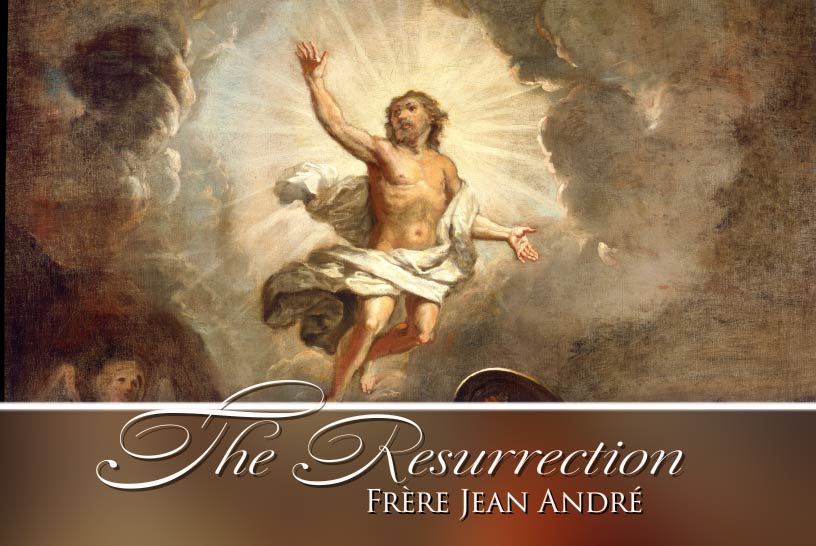
The Resurrection, Frère Jean André
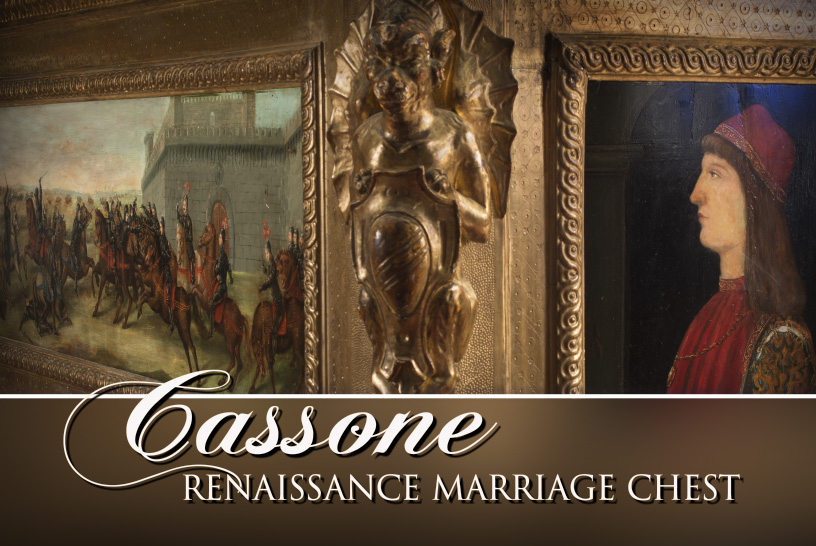
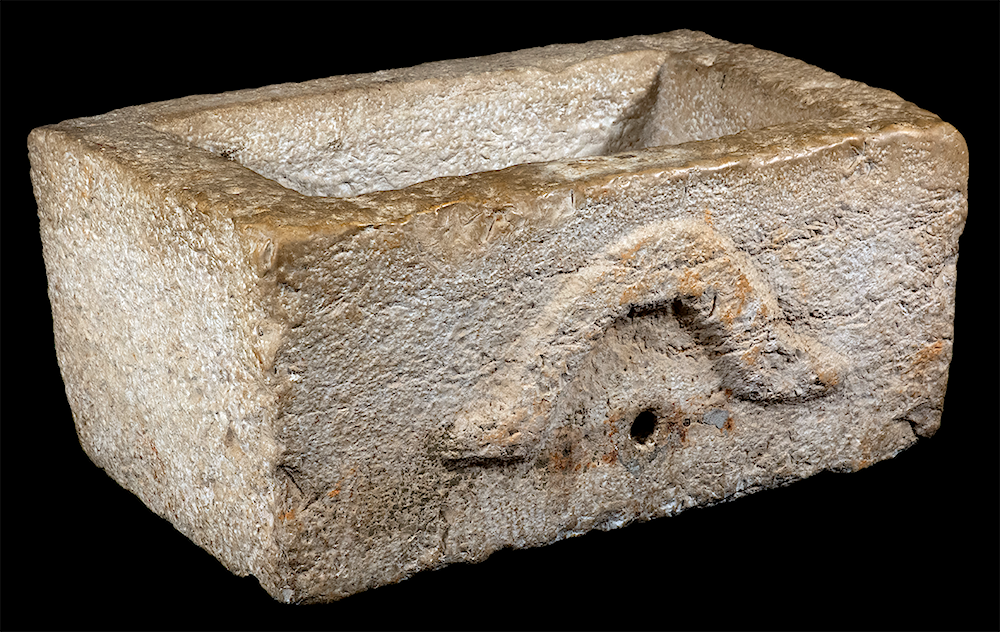
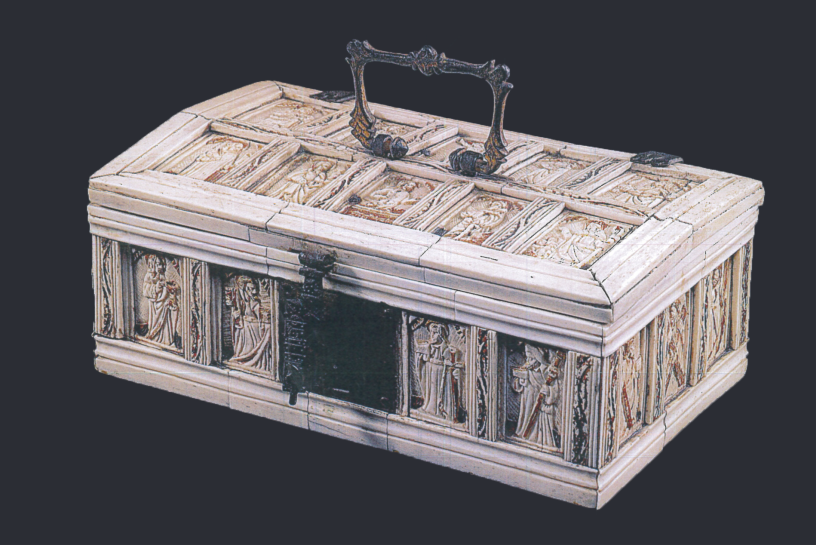
High Renaissance Cassone
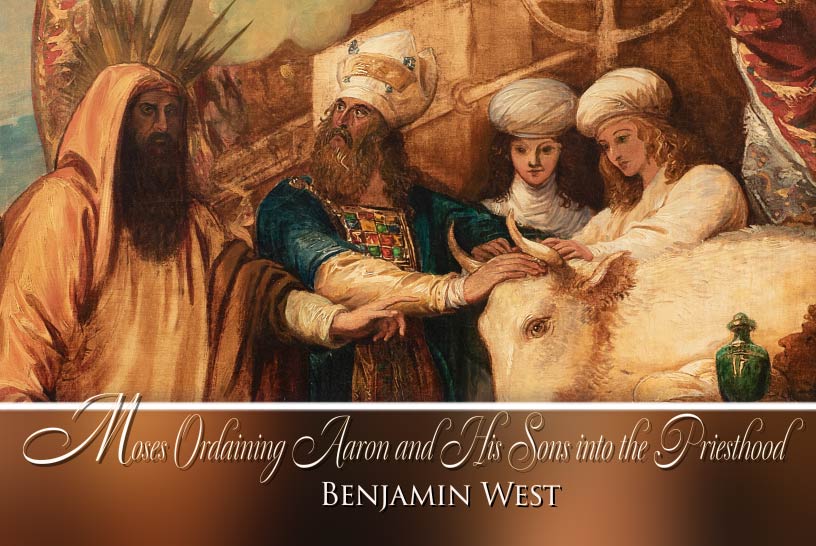
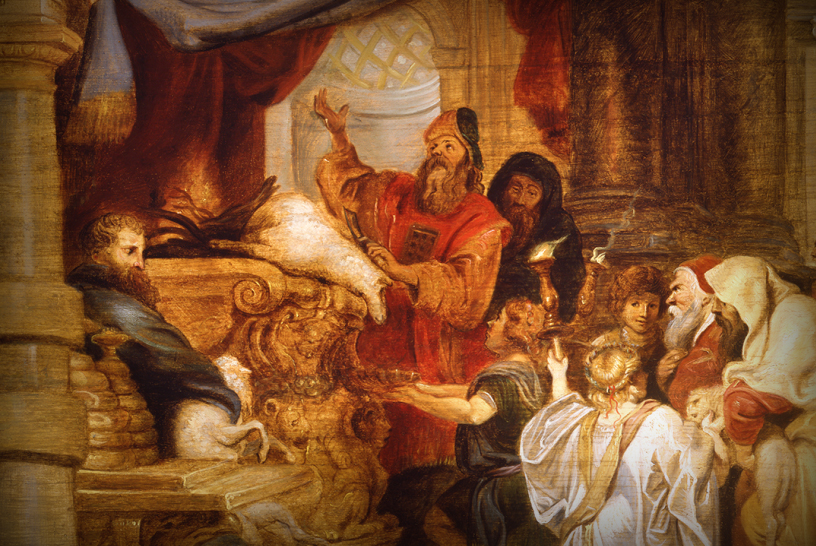
Moses Ordaining Aaron and His Sons into the Priesthood, Benjamin West
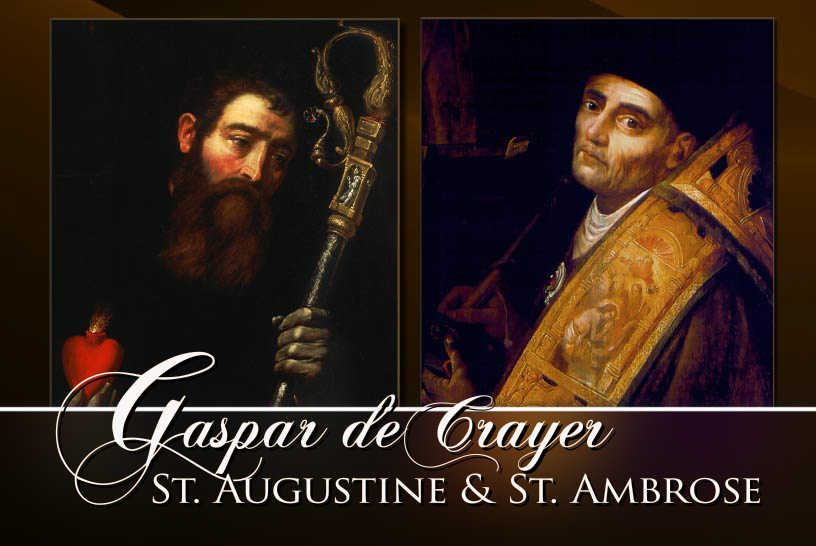
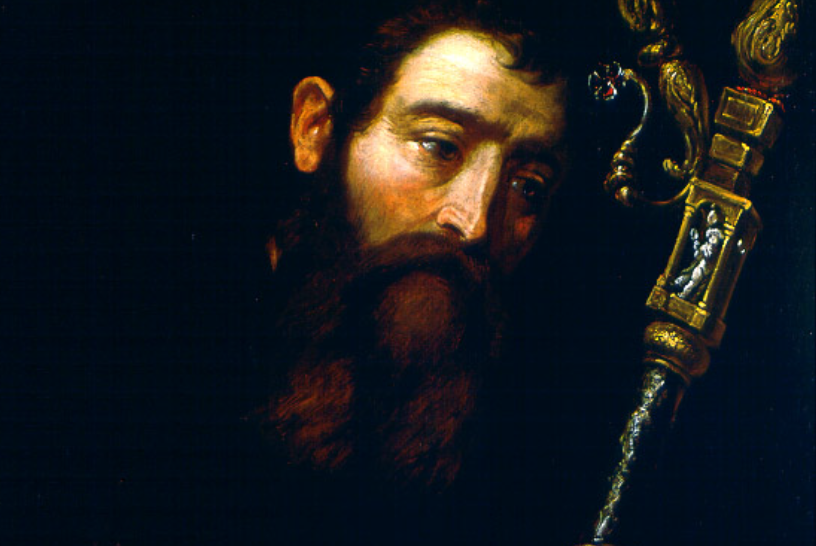
Gaspar de Crayer: St. Augustine & St. Ambrose
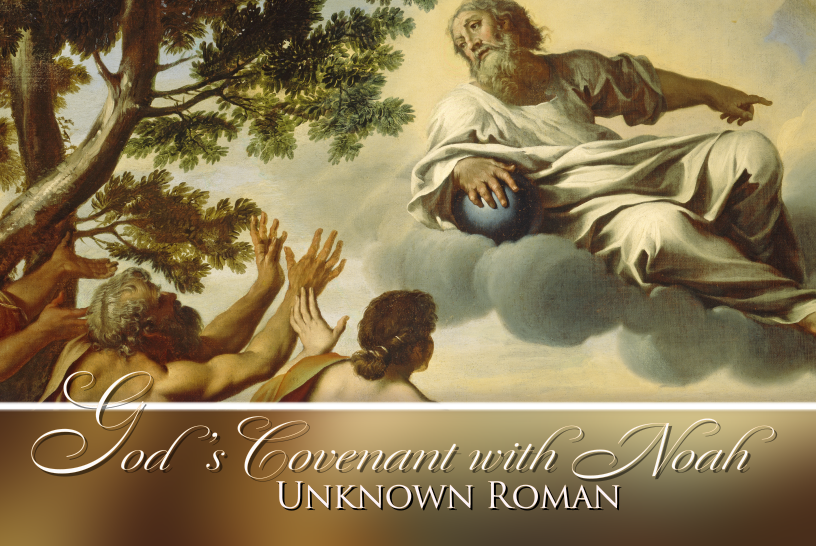
God’s Covenant with Noah, Unknown Roman
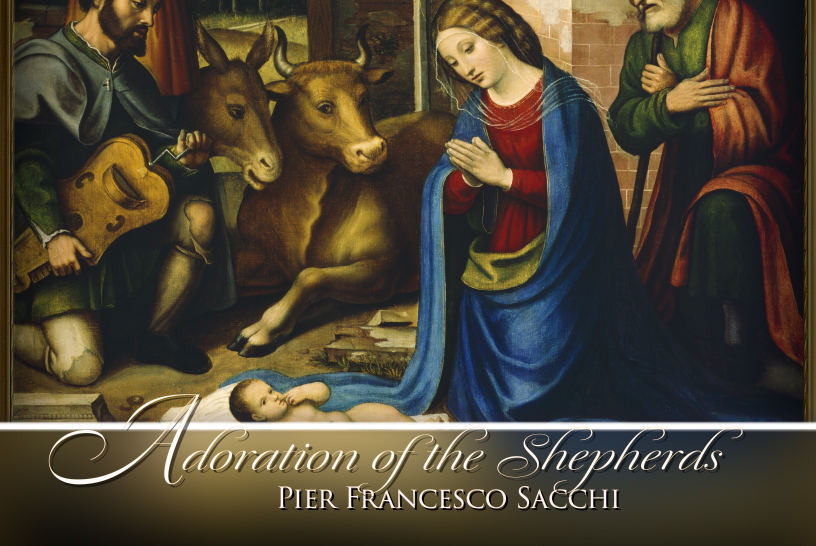
The Adoration of the Shepherds, Pier Francesco Sacchi
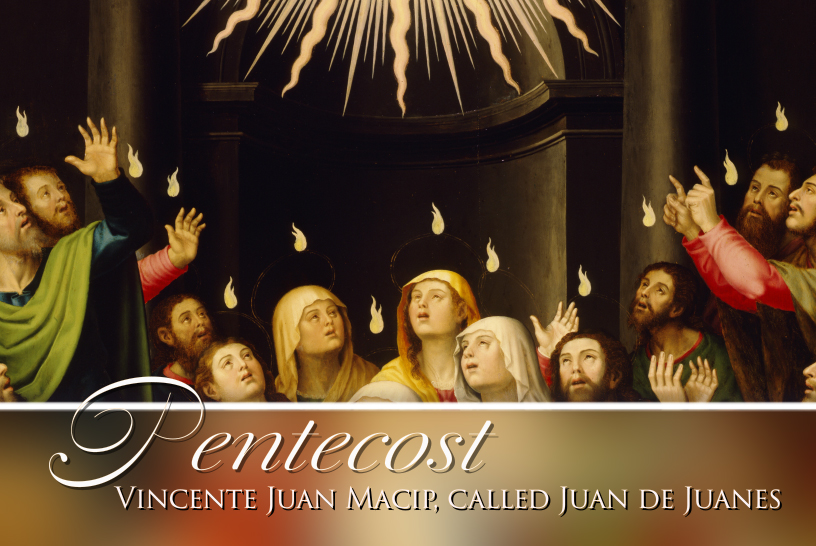
Pentecost: Vincente Juan Macip, called Juan de Juanes
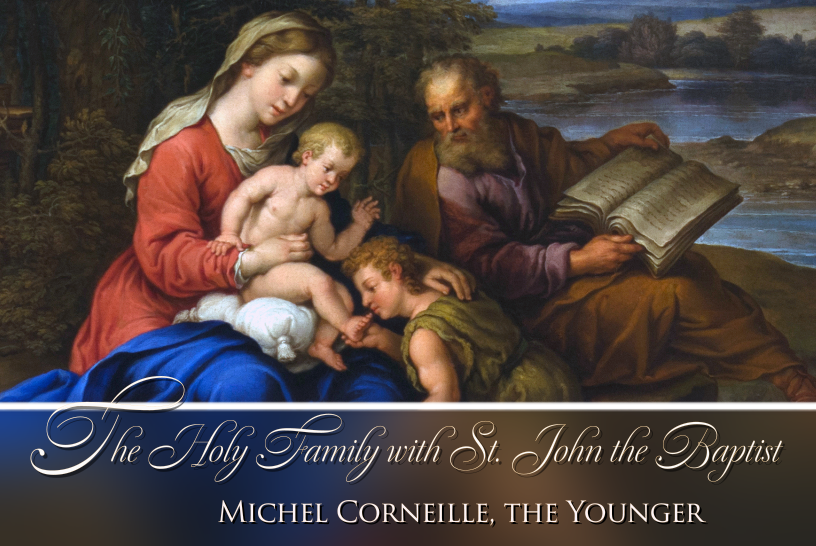
The Holy Family with St. John the Baptist: Michel Corneille, the Younger
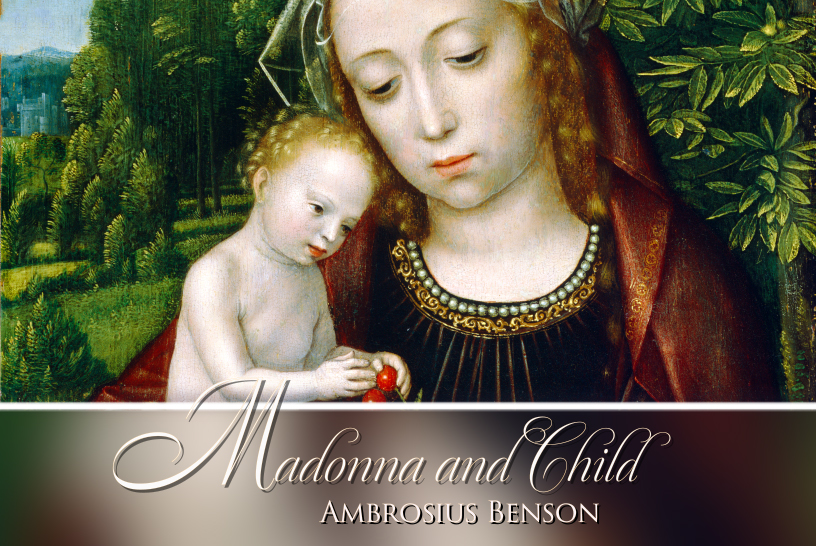
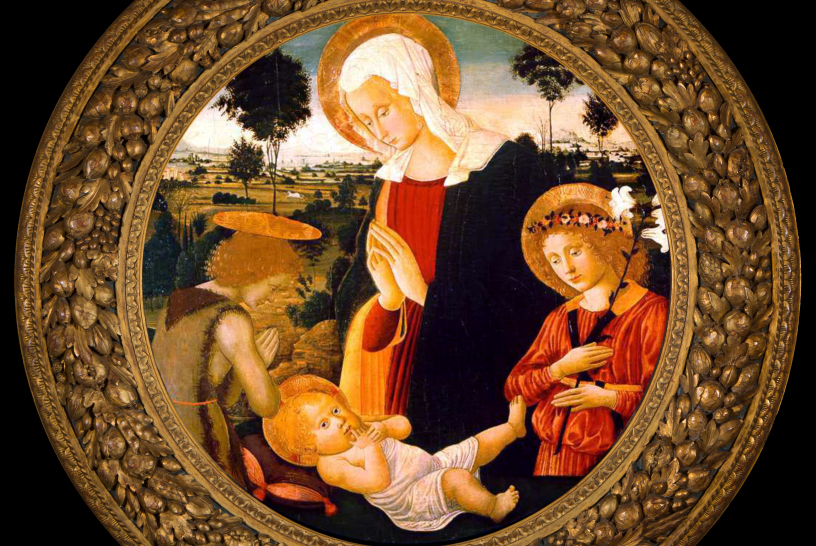
Madonna and Child: Ambrosius Benson
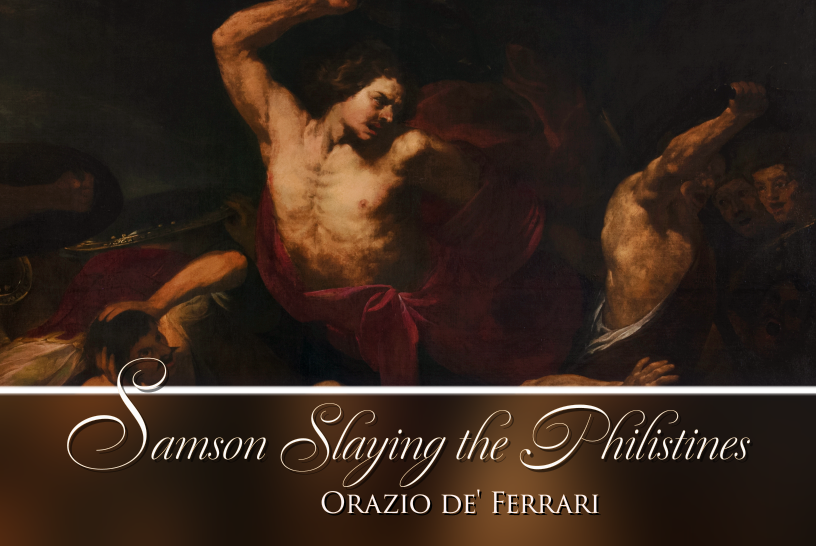
Samson Slaying the Philistines: Orazio de’ Ferrari
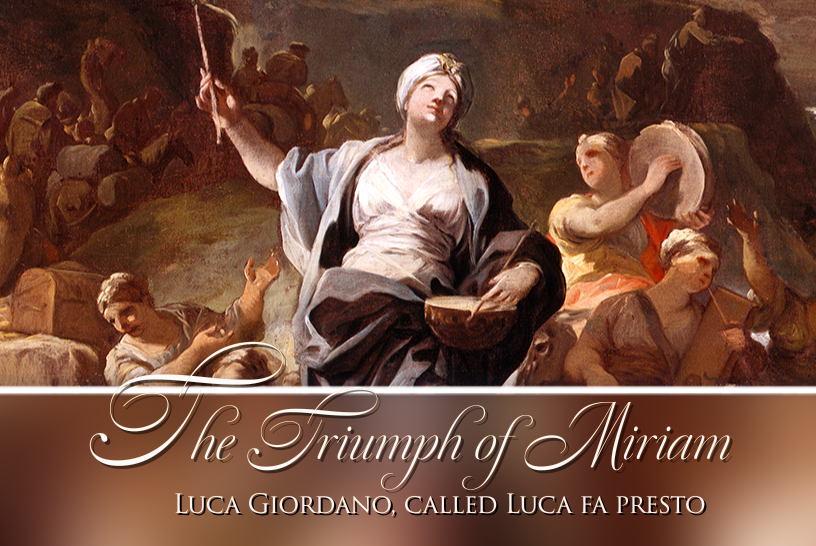
The Triumph of Miriam: Luca Giordano
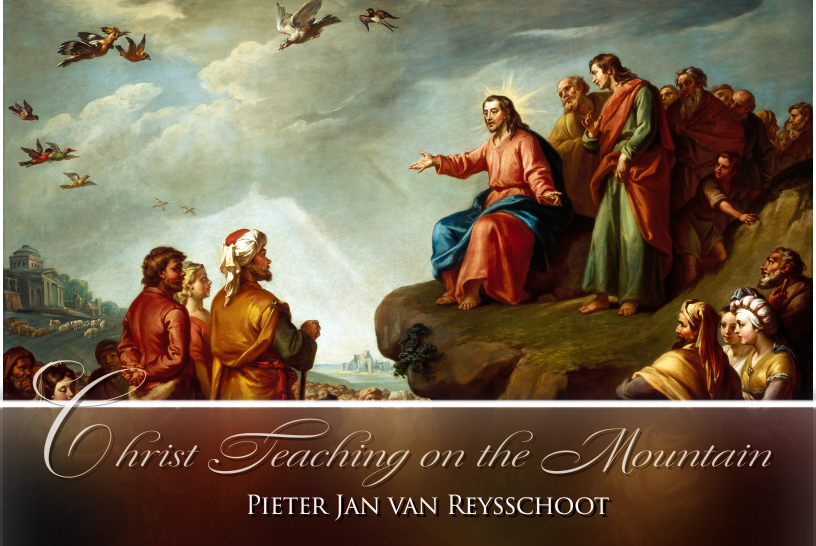
Christ Teaching on the Mountain: Pieter Jan van Reysschoot
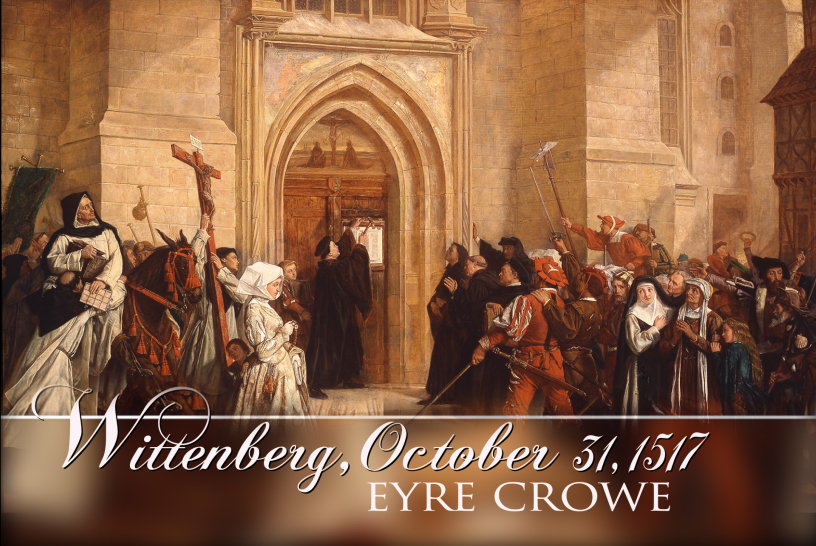
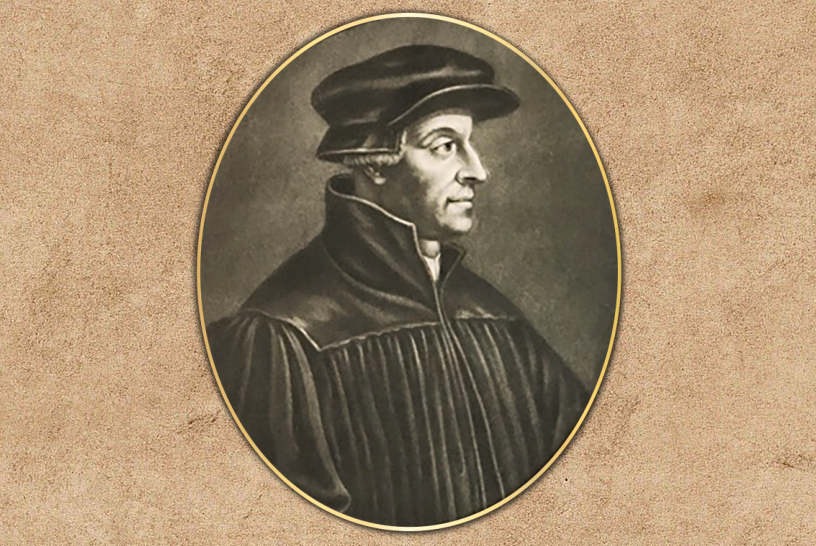
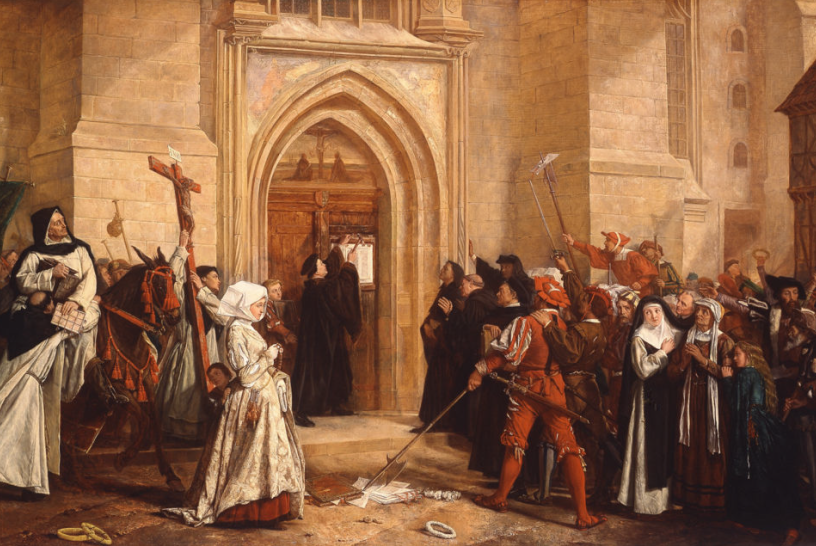
Eyre Crowe: Wittenberg, October 31, 1517
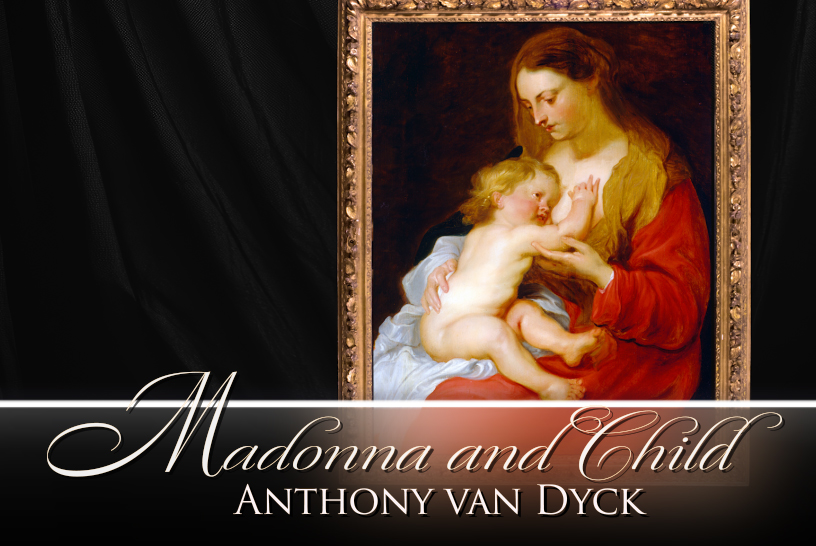
Madonna and Child: Anthony van Dyck
The Brothers of Joseph: Francisco Collantes
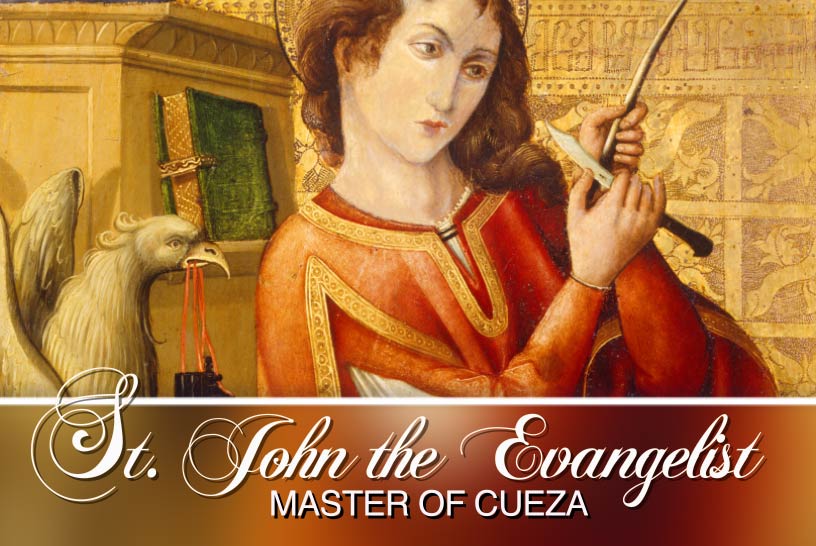
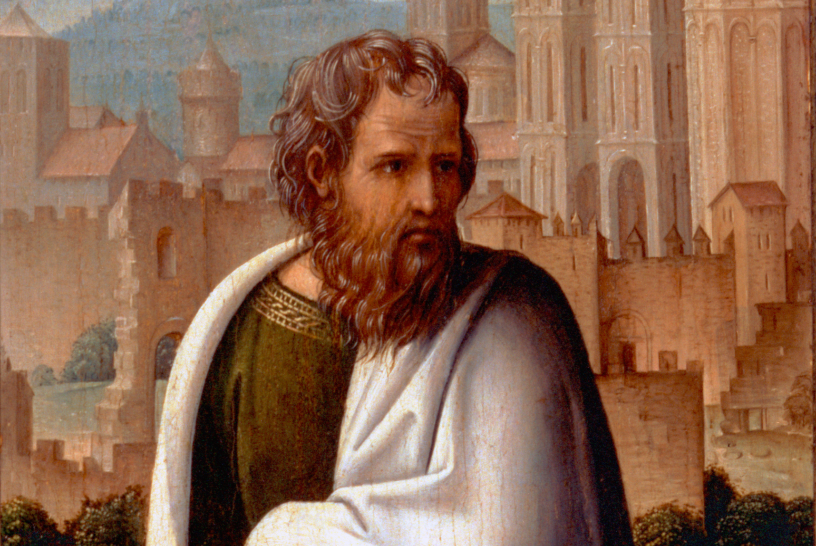
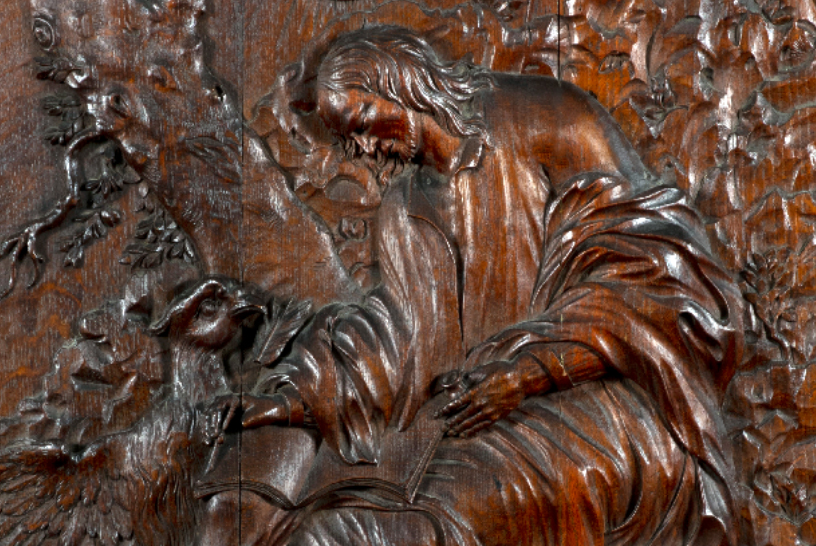
St. John the Evangelist: Master of Cueza
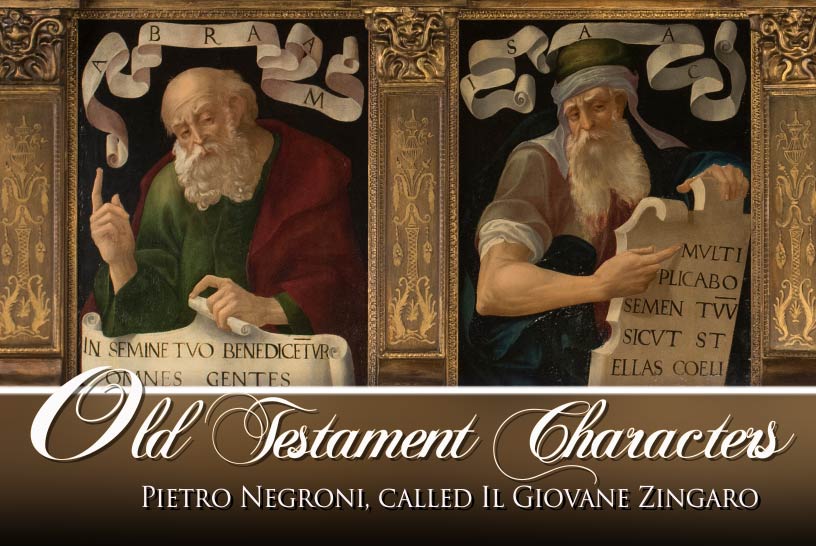
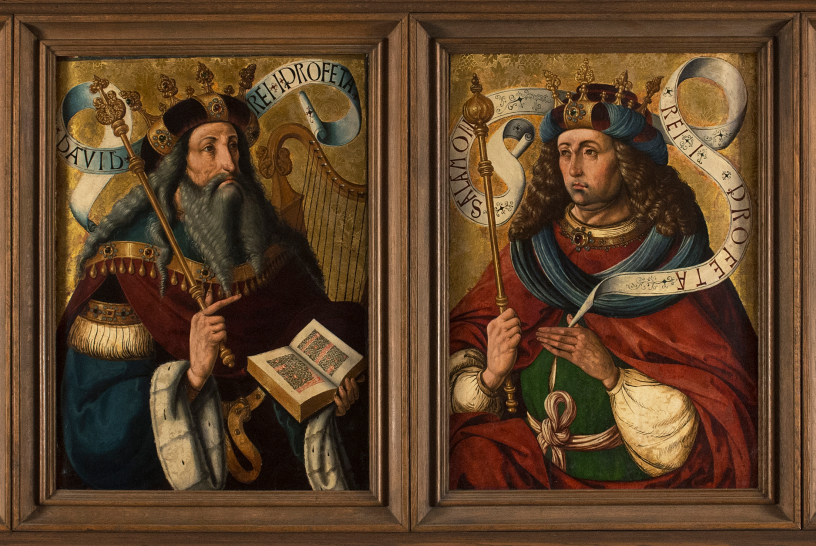
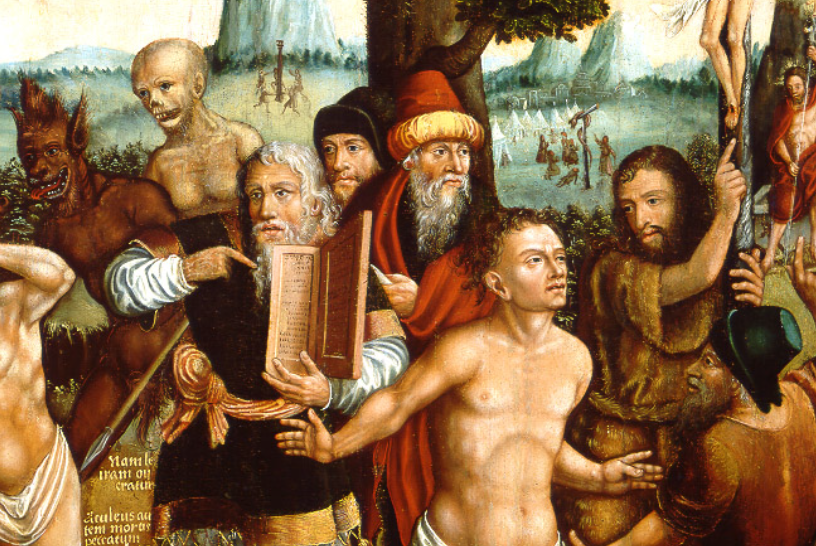
Old Testament Characters: Pietro Negroni, called Il Giovane Zingaro
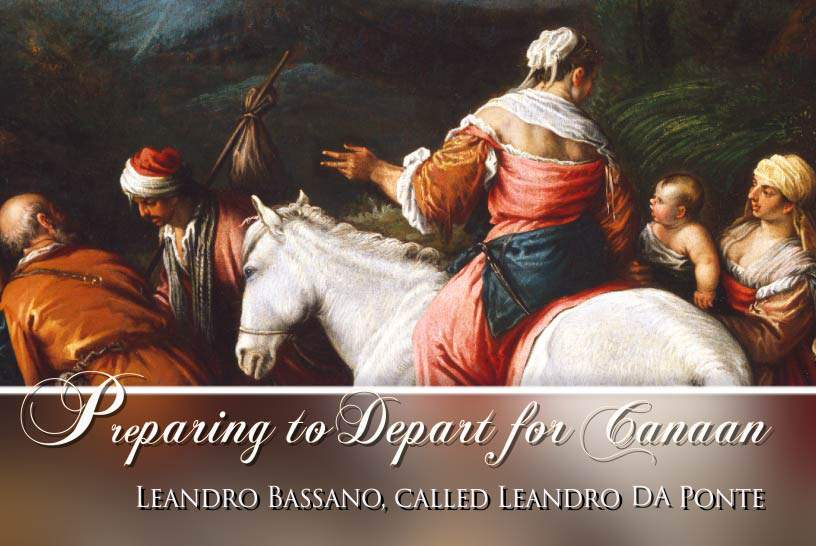
Preparing to Depart for Canaan: Leandro Bassano, called Leandro da Ponte
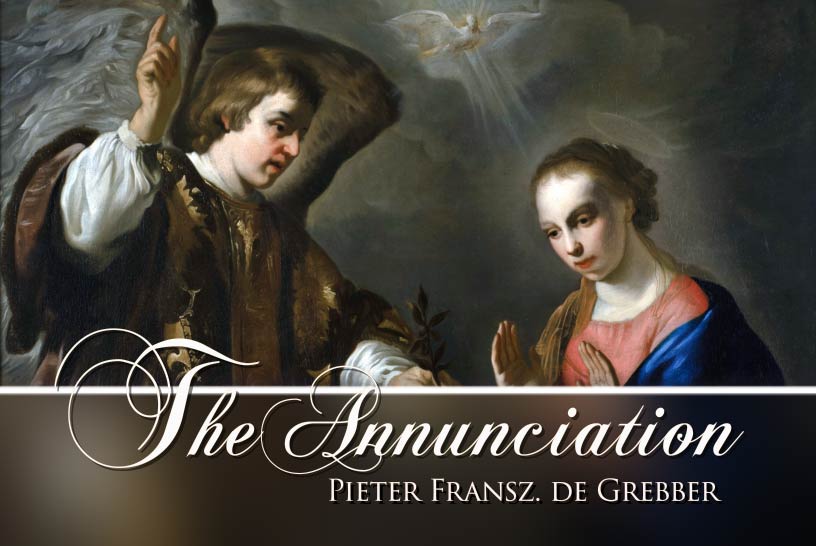
The Annunciation: Pieter Fransz. de Grebber
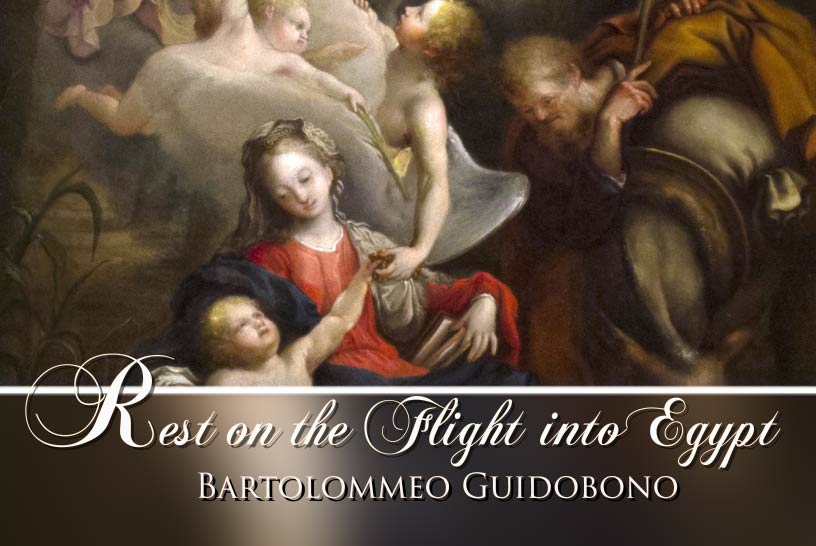
Rest on the Flight into Egypt: Bartolommeo Guidobono
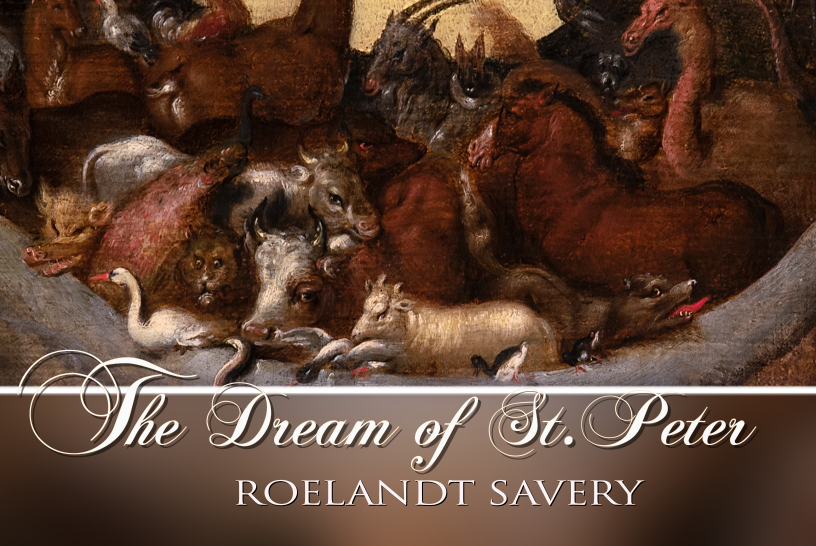
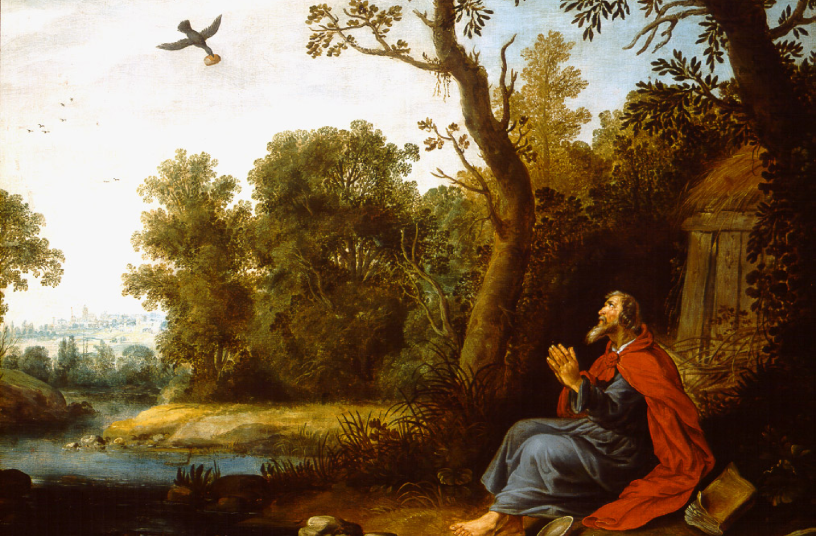
The Dream of St. Peter: Roelandt Savery
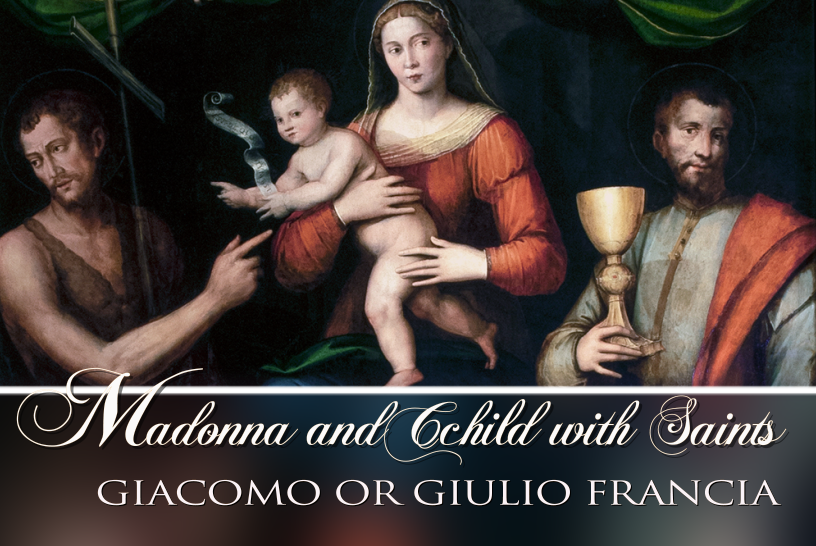
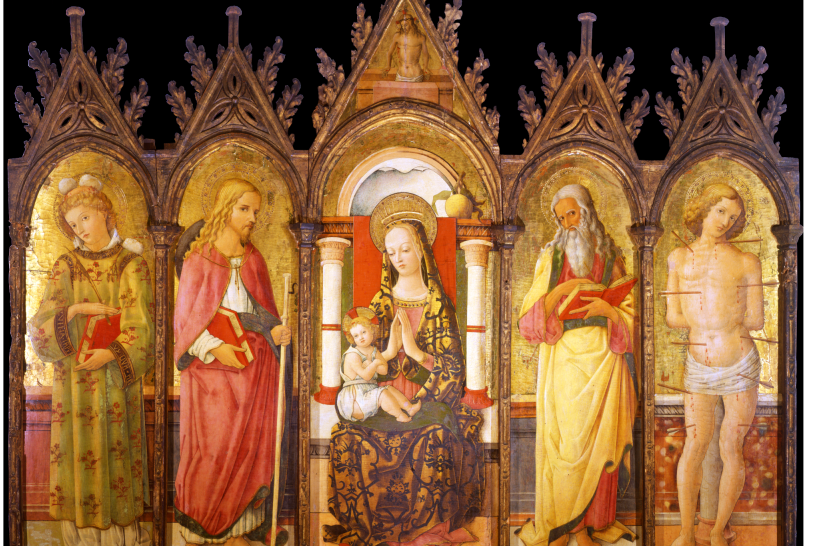
Madonna and Child with Saints: Giacomo or Giulio Francia
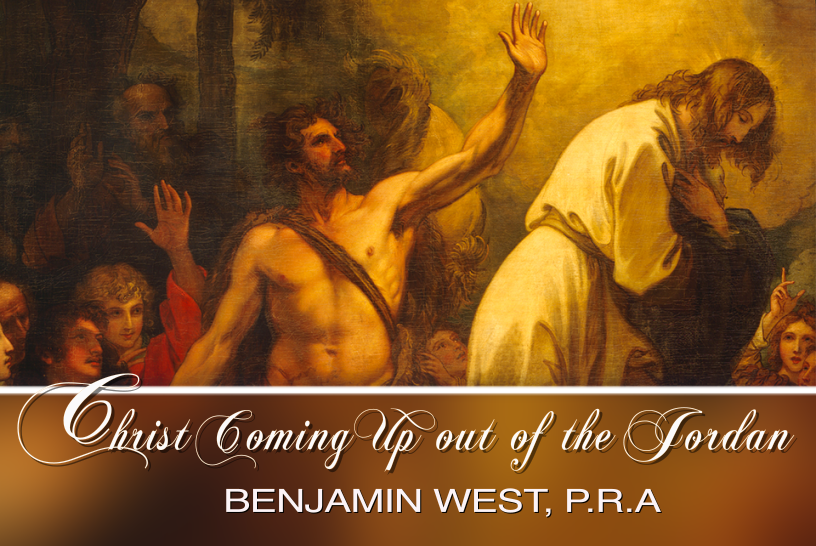
Christ Coming Up Out of the Jordan: Benjamin West, P.R.A.
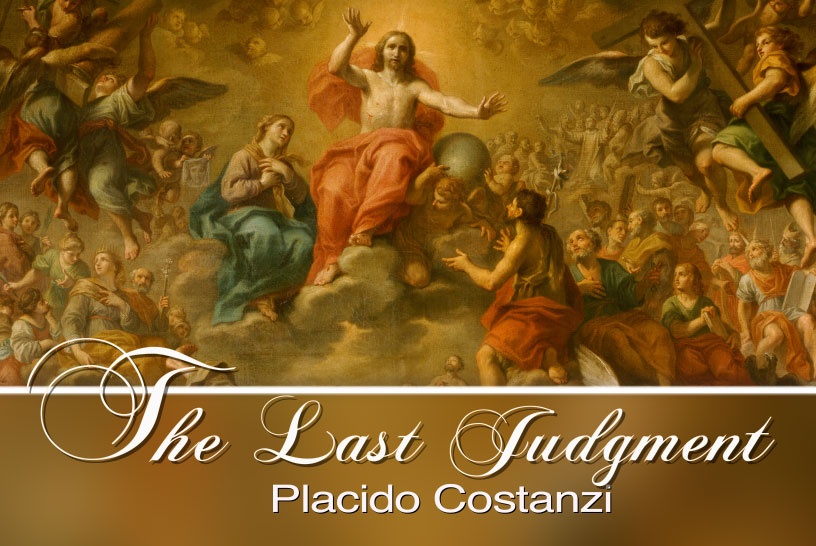
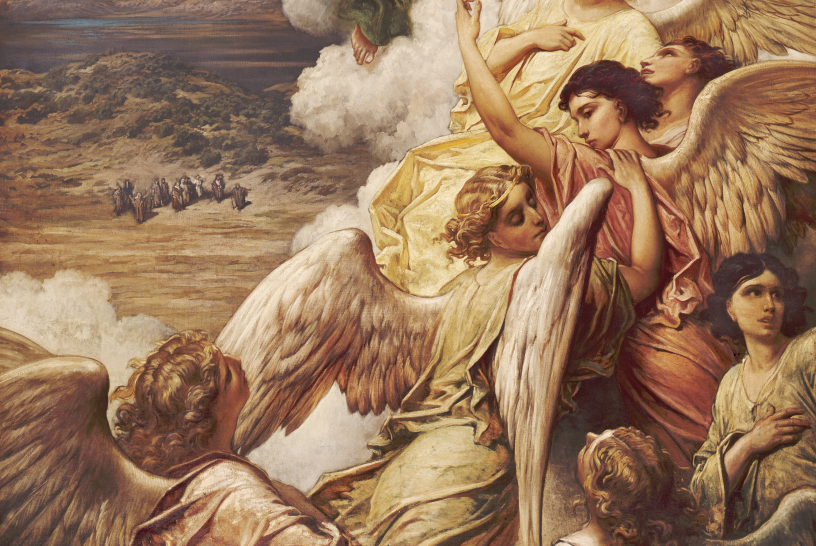
The Last Judgment: Placido Costanzi
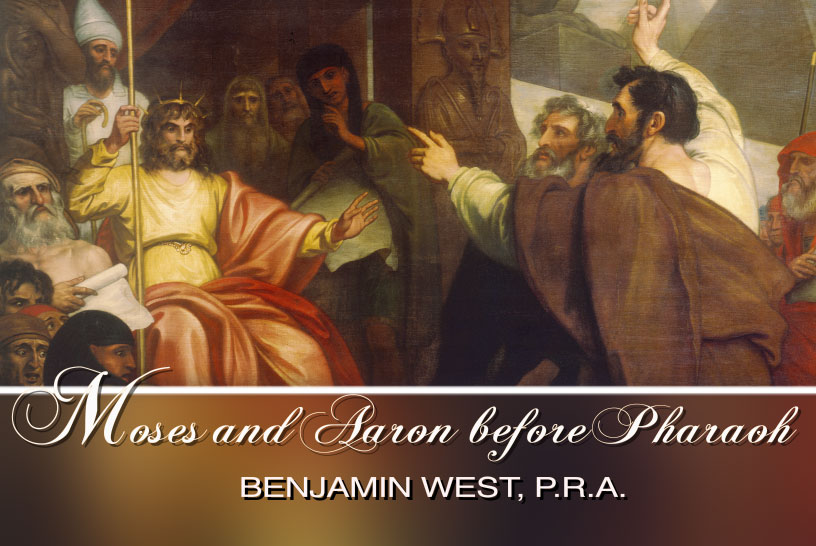
Moses and Aaron before Pharaoh: Benjamin West, P.R.A.
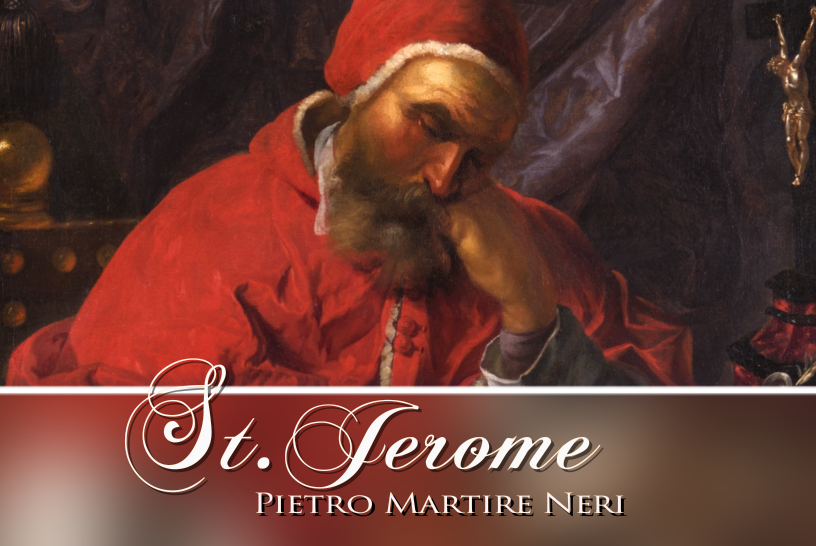
Pietro Martire Neri: St. Jerome
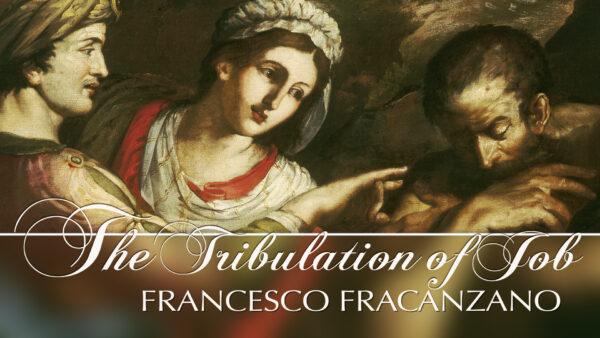
Picture Books of the Past: The Tribulation of Job
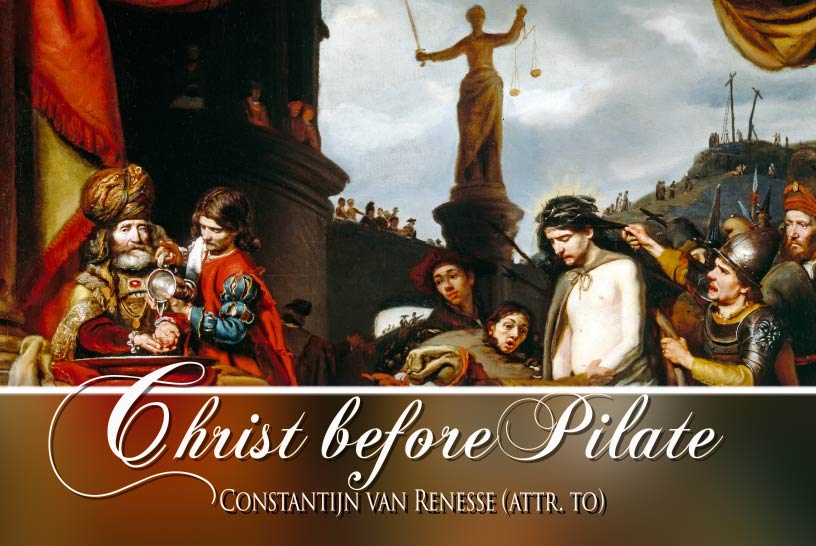
Constantijn van Renesse (attr. to): Christ before Pilate
Picture Books of the Past: Jacopo Robusti, called Il Tintoretto
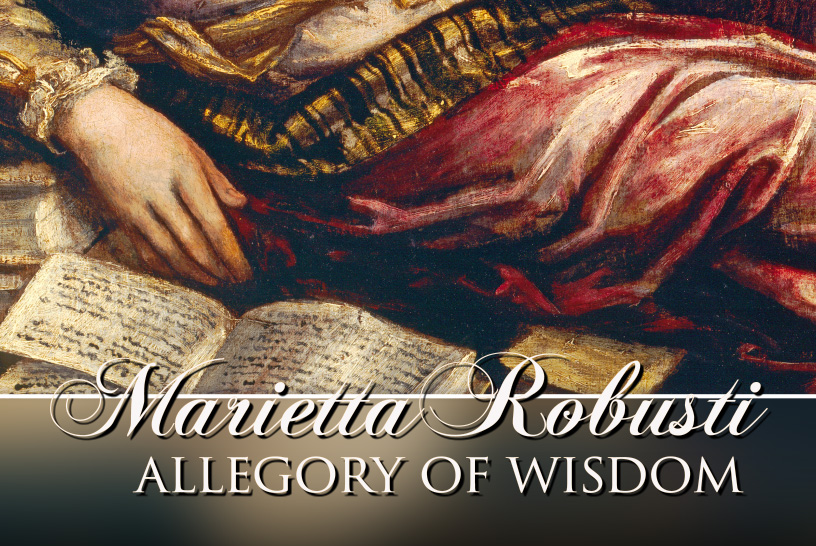
Picture Books of the Past: Marietta Robusti
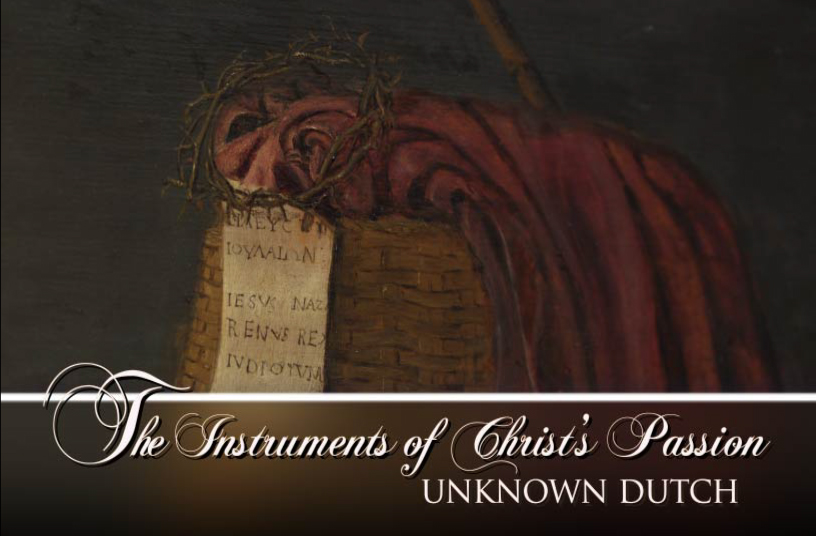
Picture Books of the Past: Unknown Dutch
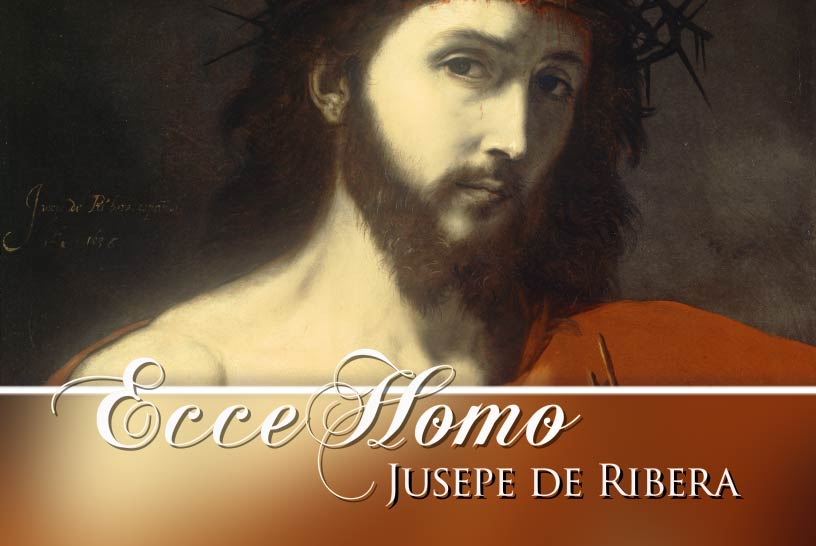
Picture Books of the Past: Jusepe de Ribera, called Lo Spagnoletto
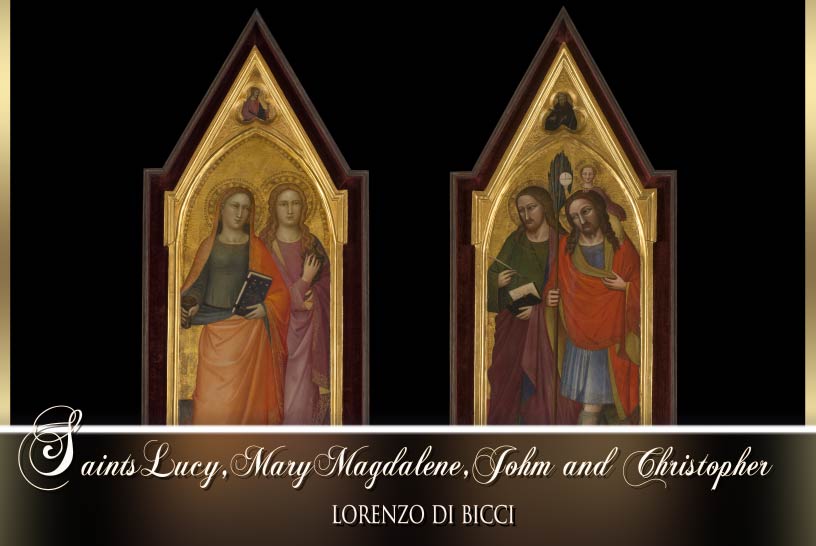
Picture Books of the Past: Lorenzo di Bicci
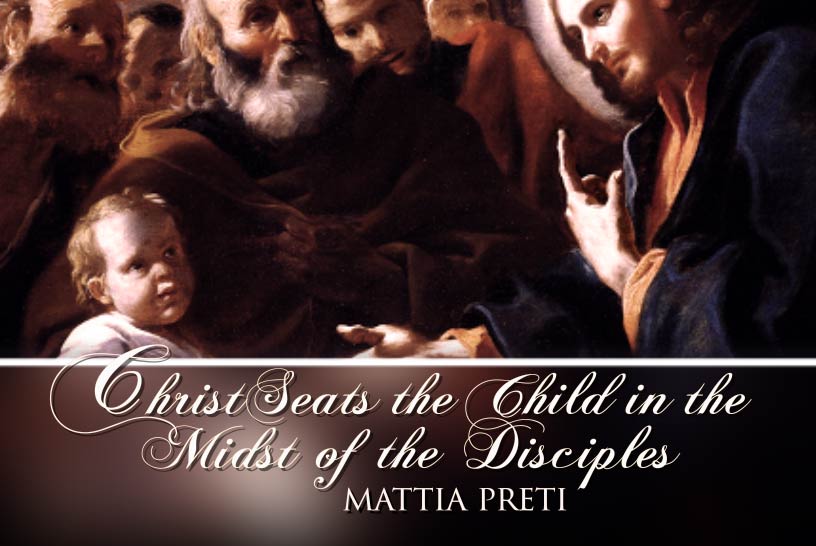
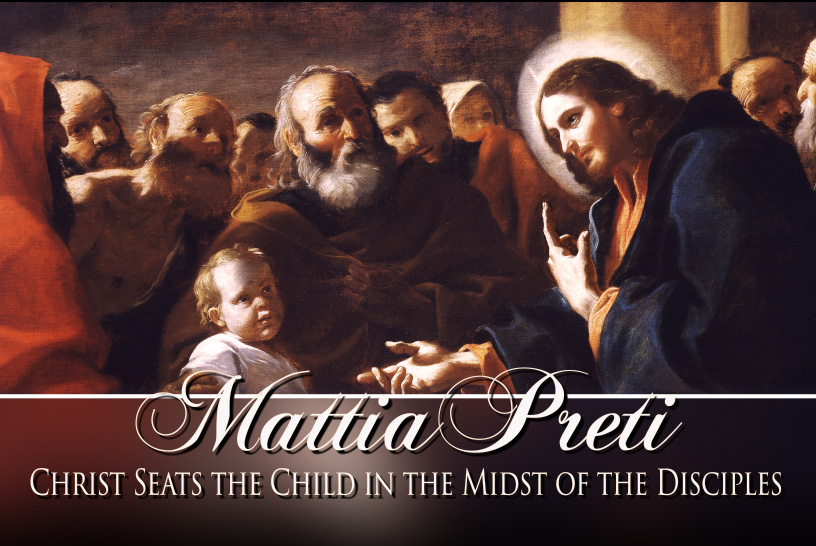
Picture Books of the Past: Mattia Preti
Picture Books of the Past: Bartolommeo Neroni
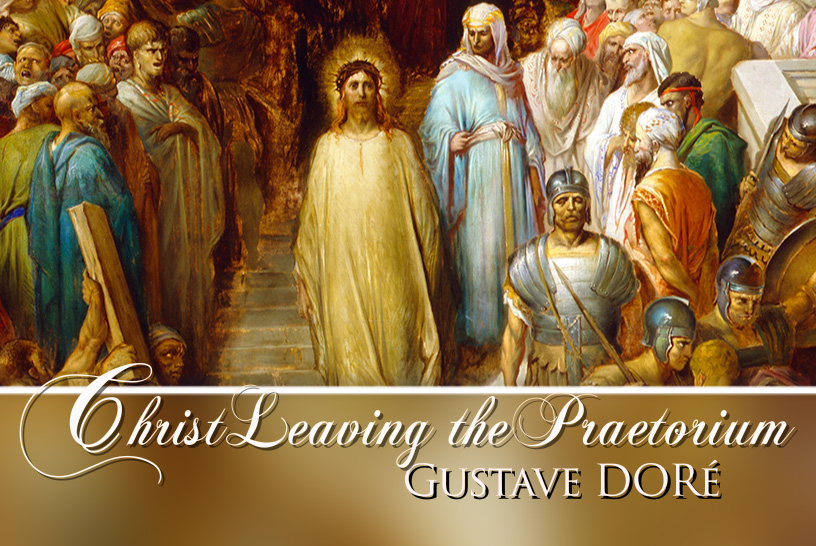
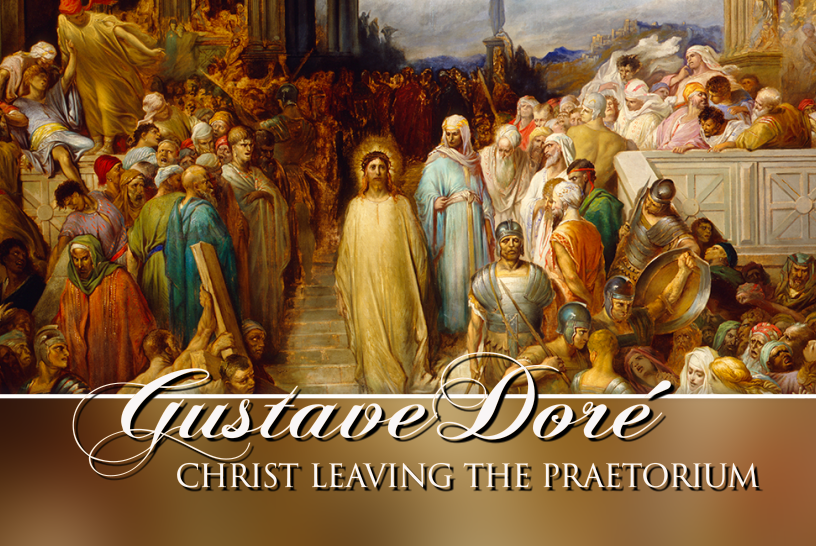
Picture Books of the Past: Gustave Doré
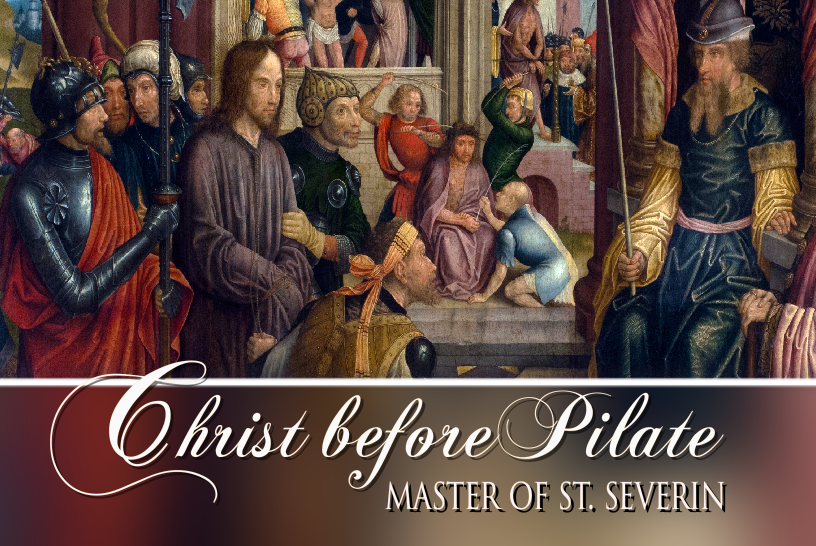
Christ before Pilate: Master of St. Severin
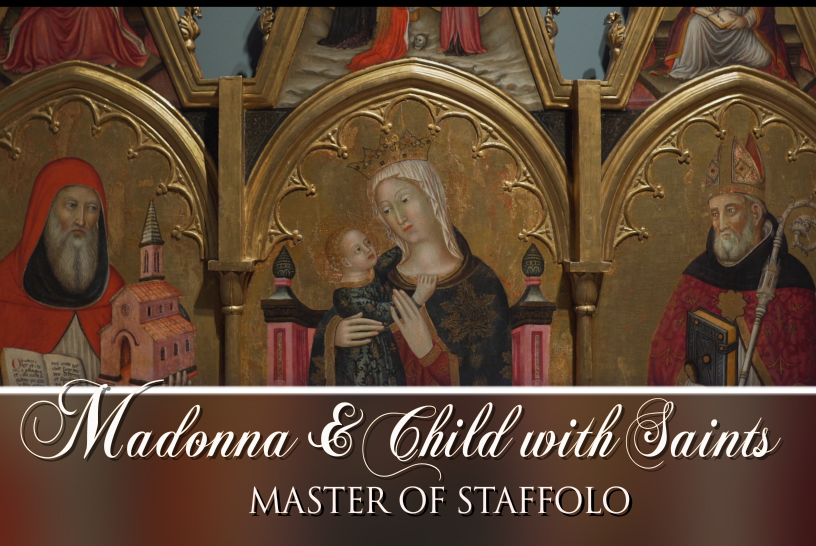
Picture Books of the Past: Master of Staffolo
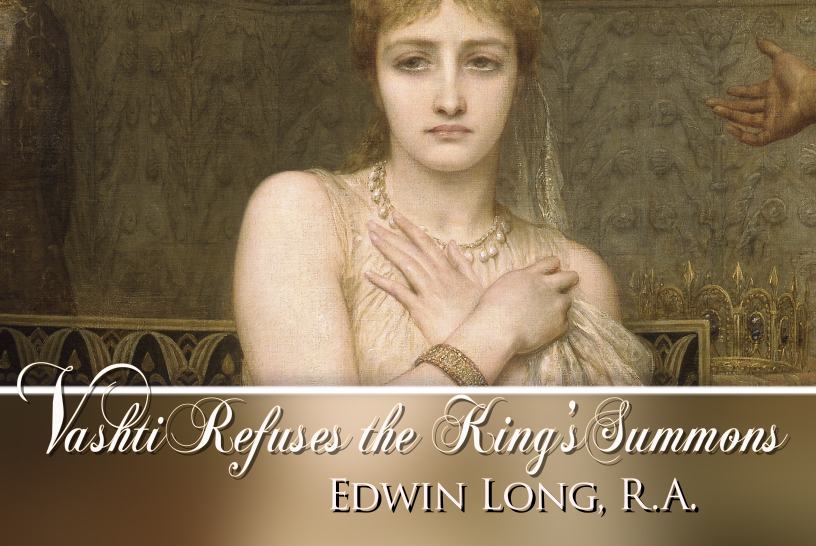
Picture Books of the Past: Edwin Long
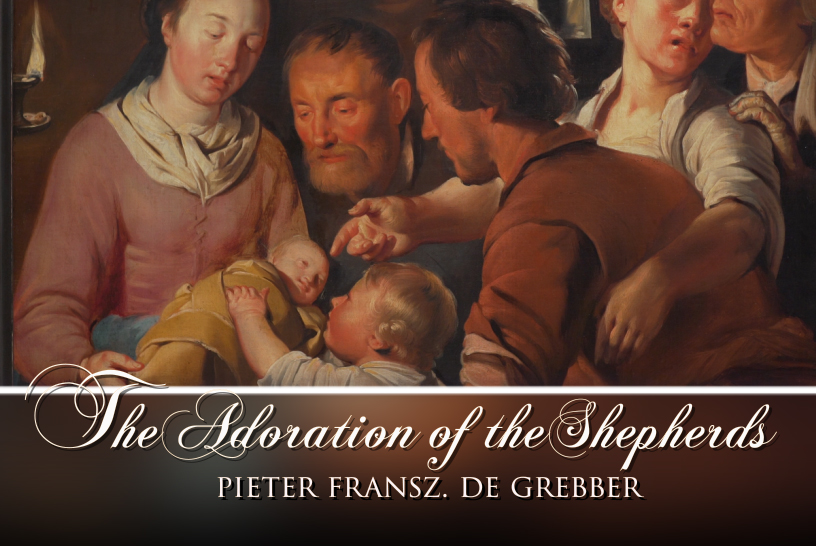
Picture Books of the Past: Pieter Fransz. de Grebber
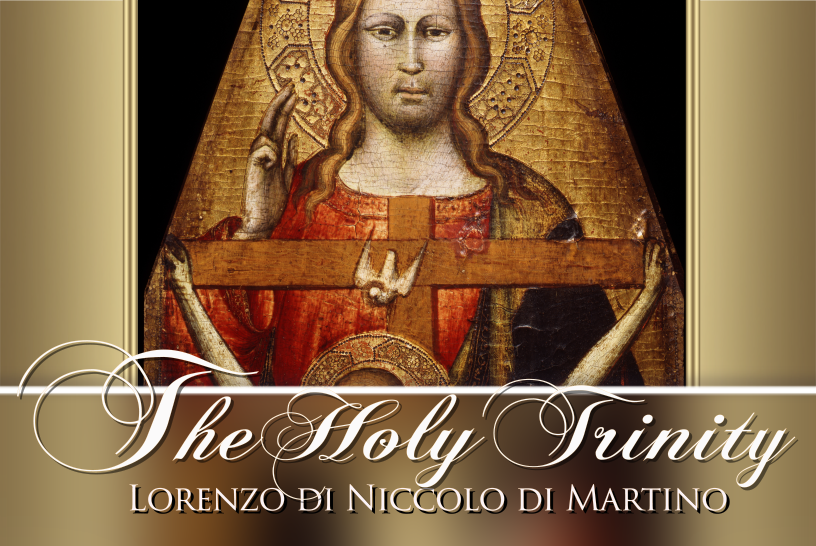
Picture Books of the Past: Lorenzo di Niccolo di Martino
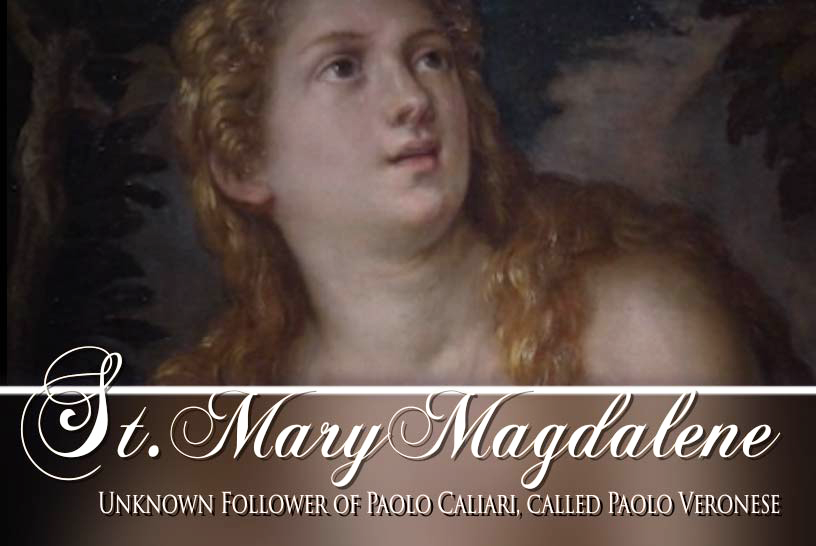
Picture Books of the Past: Unknown Follower of Paolo Caliari, called Paolo Veronese
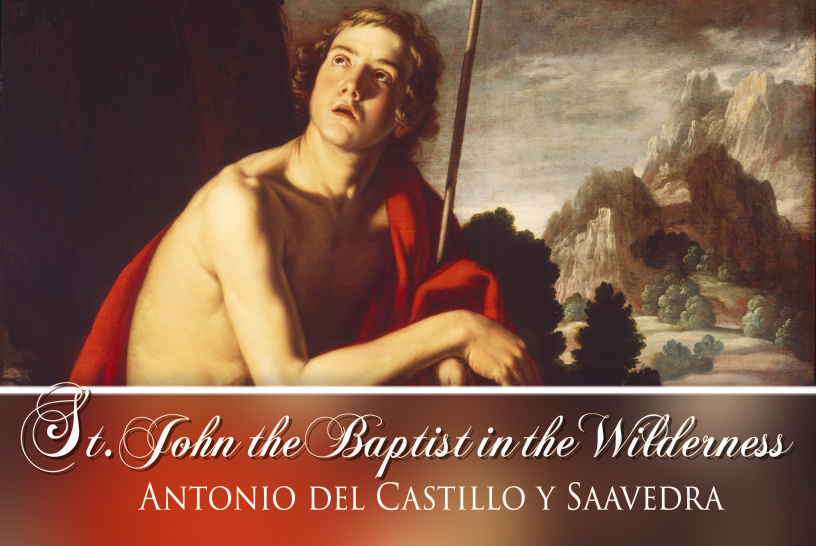
Picture Books of the Past: Antonio del Castillo y Saavedra
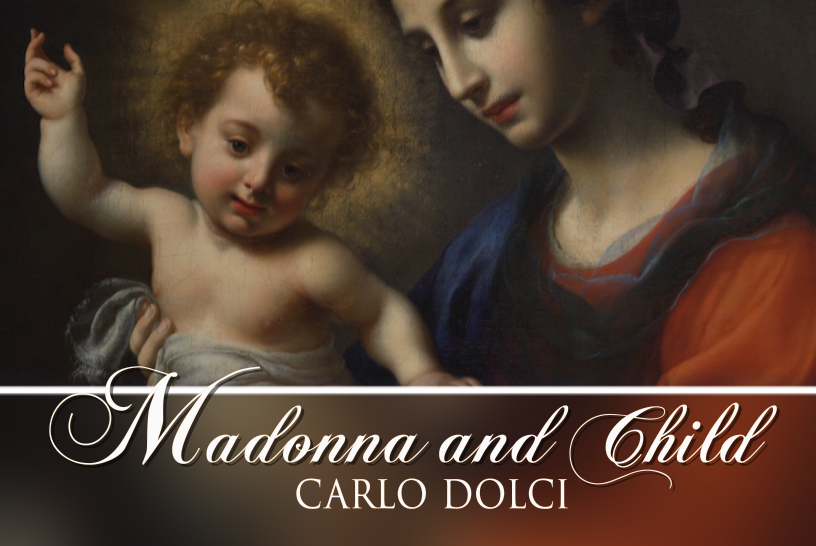
Picture Books of the Past: Carlo Dolci
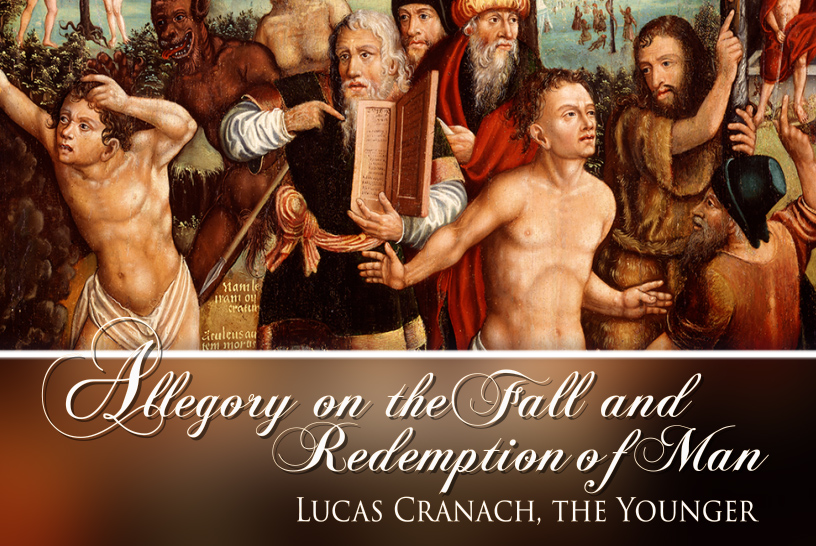
Allegory on the Fall and Redemption of Man: Lucas Cranach, the Younger
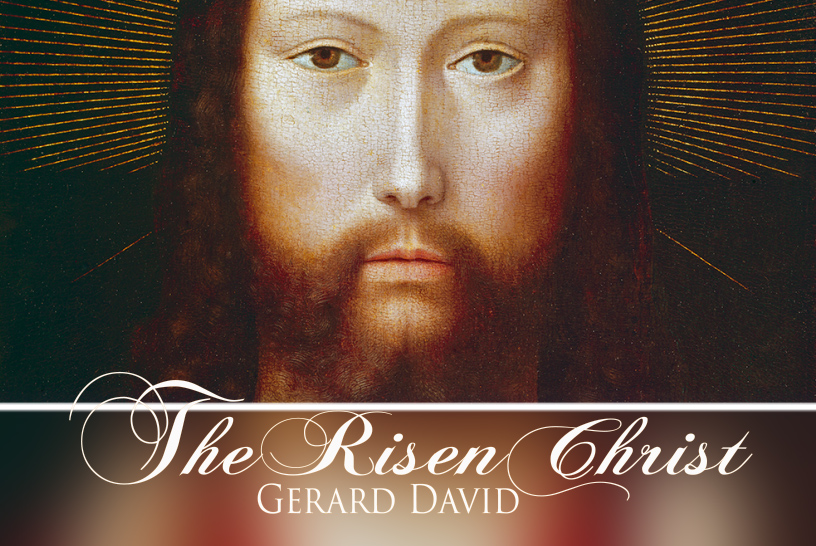
The Risen Christ: Gerard David
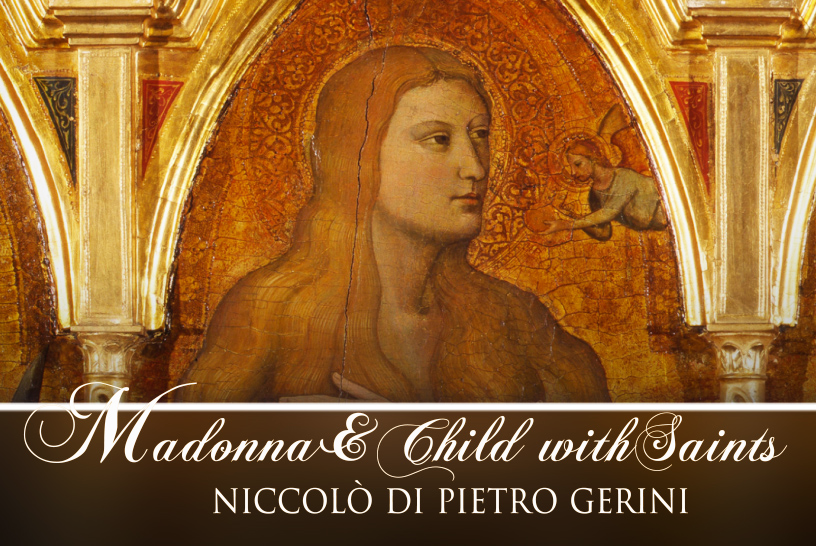
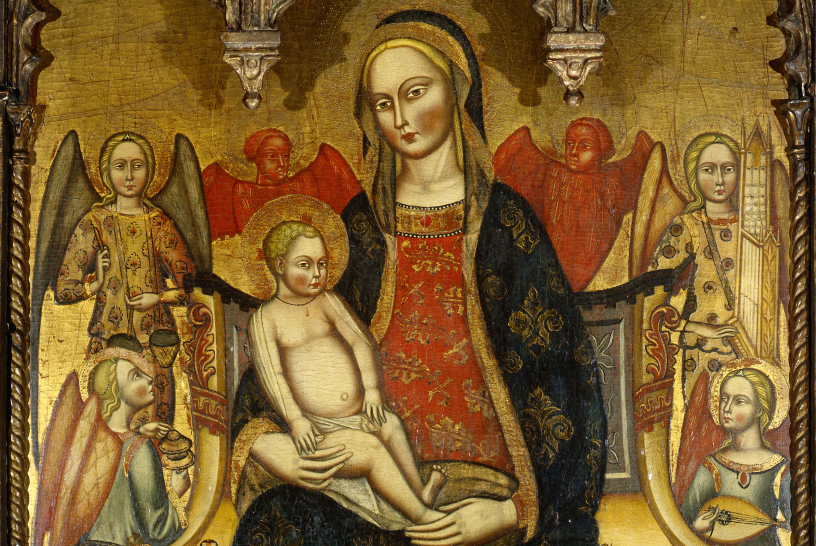
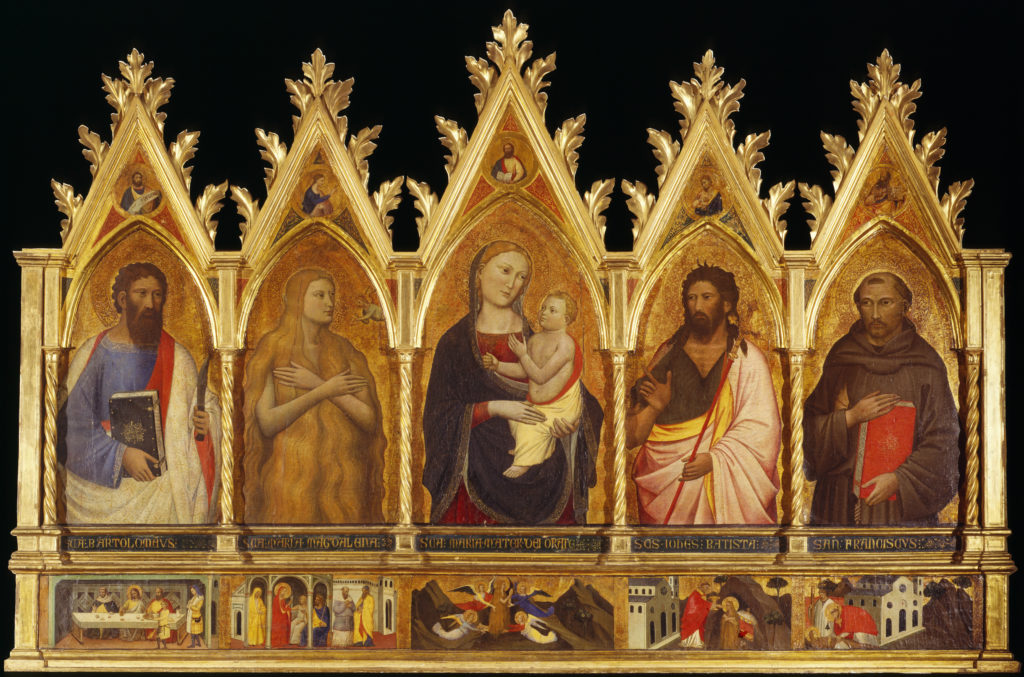
Madonna and Child with Saints: Niccolò di Pietro Gerini
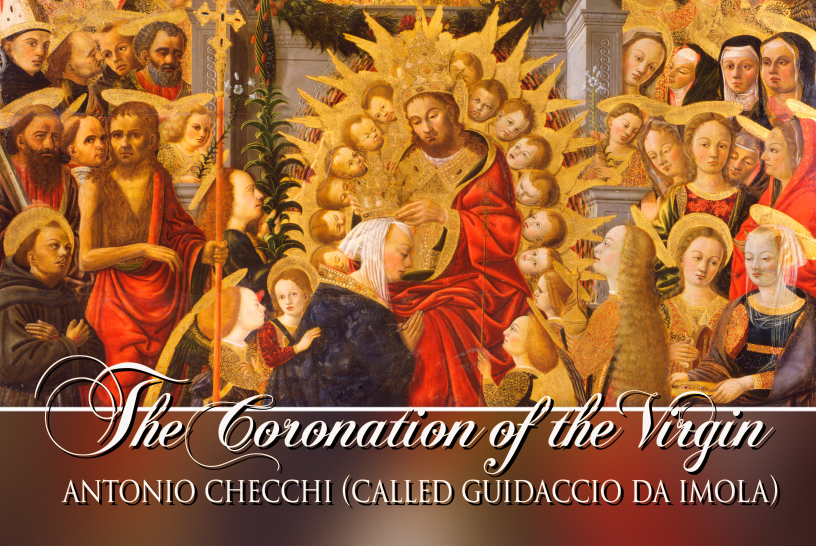
Antonio Checchi (called Guidaccio da Imola): The Coronation of the Virgin
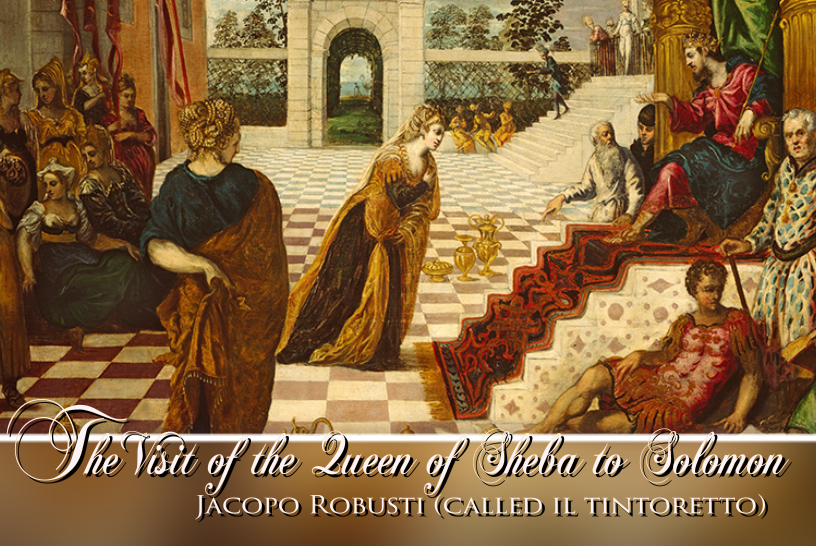
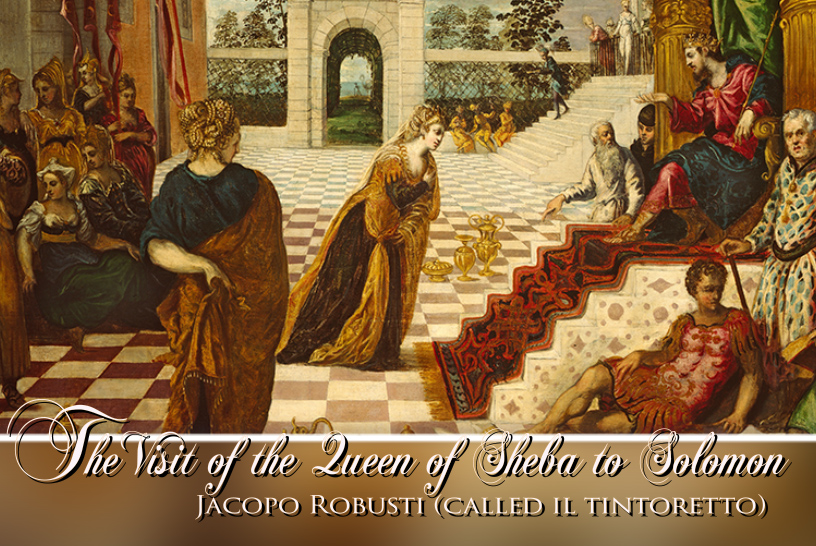
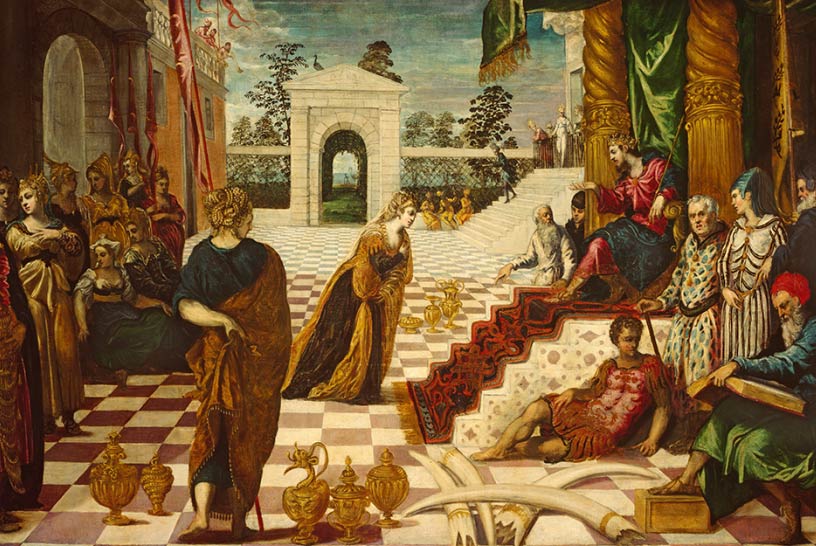
Jacopo Robusti (called Il Tintoretto): The Visit of the Queen of Sheba to Solomon
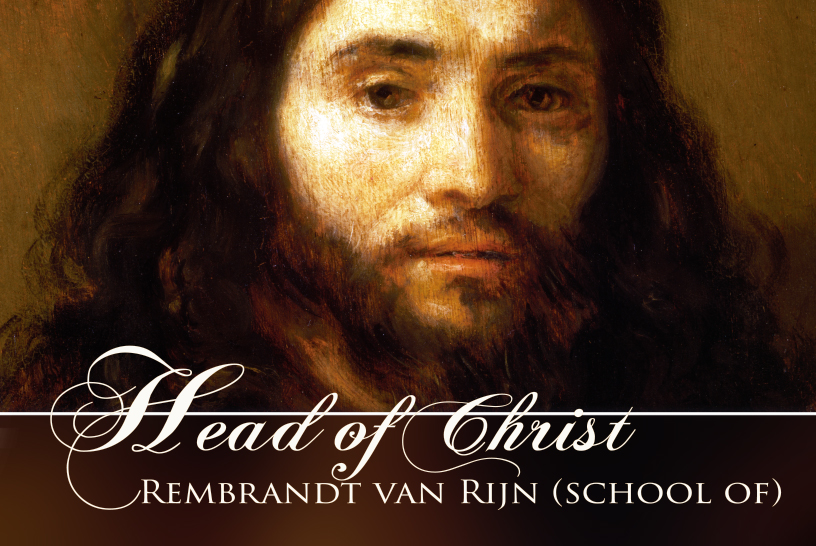
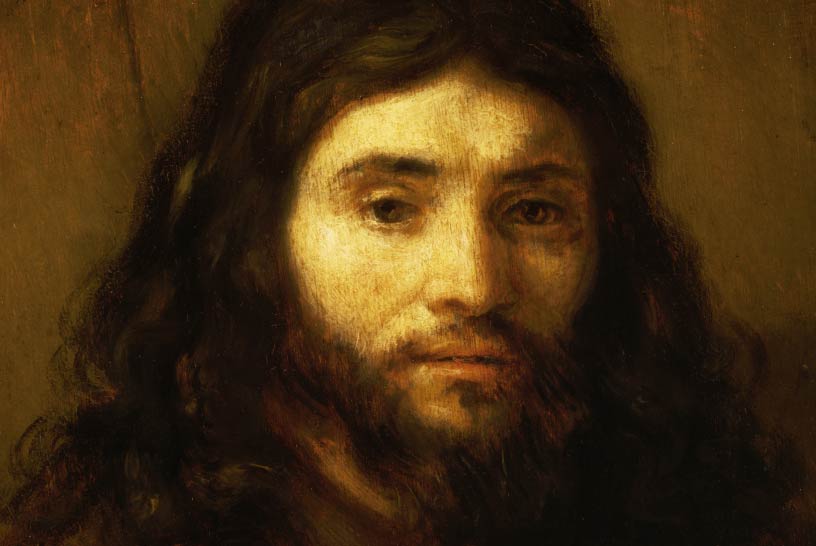
Rembrandt van Rijn (school of): Head of Christ
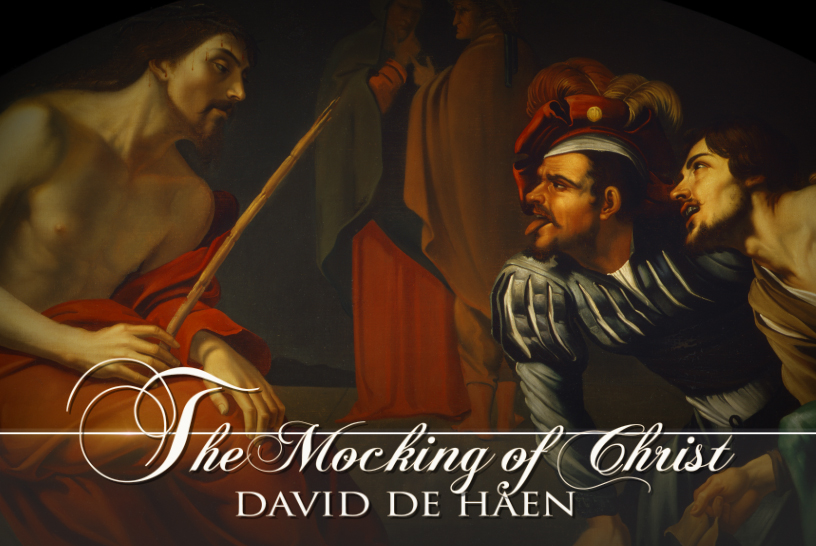
David de Haen: The Mocking of Christ
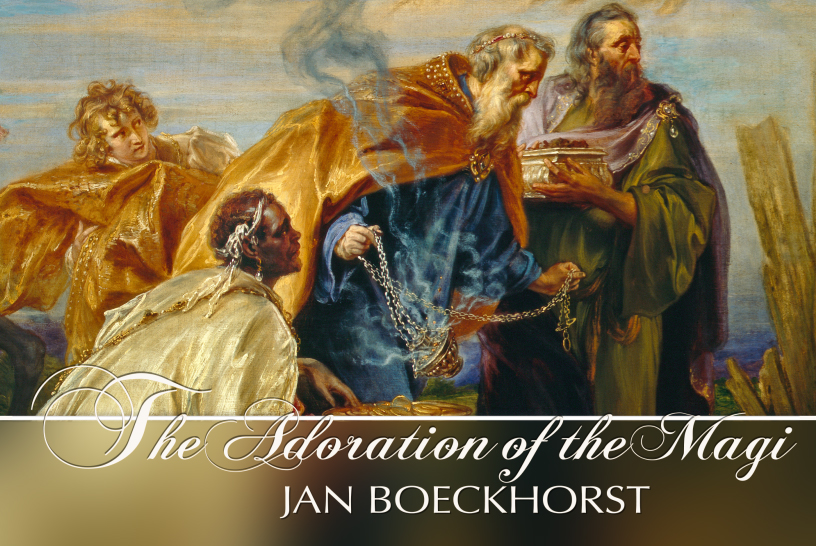
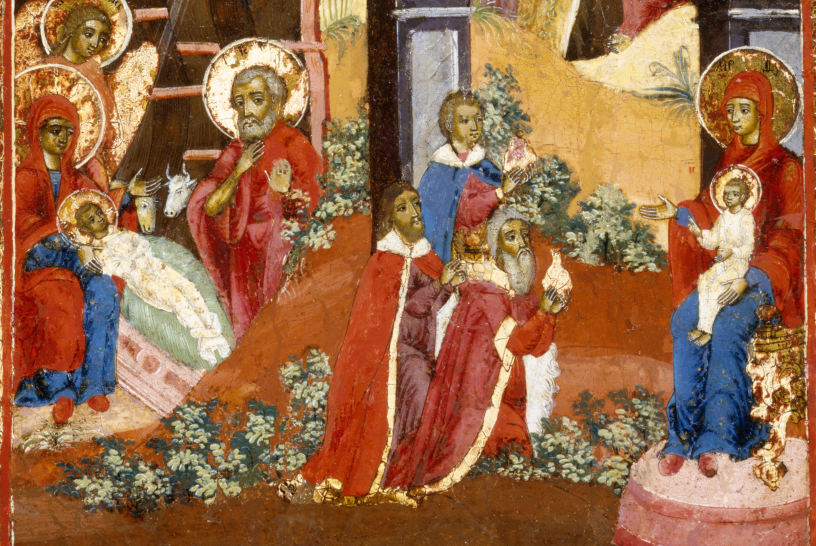
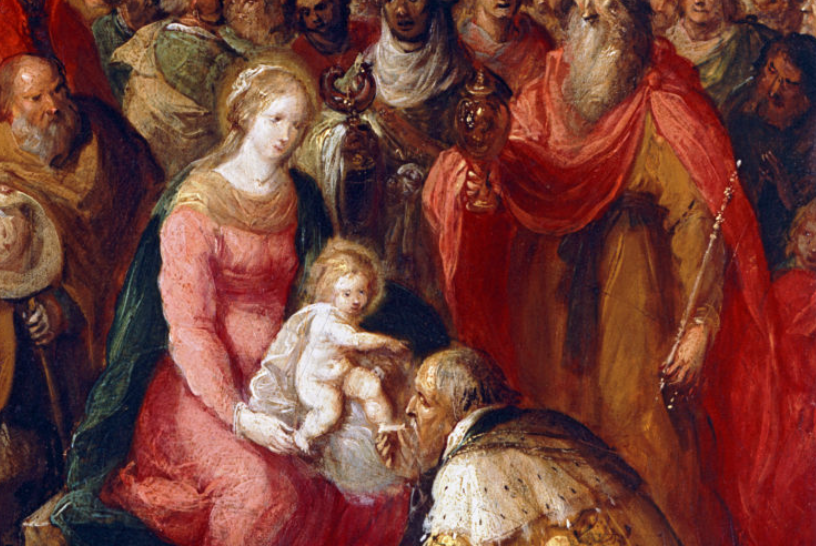
Jan Boeckhorst: Adoration of the Magi
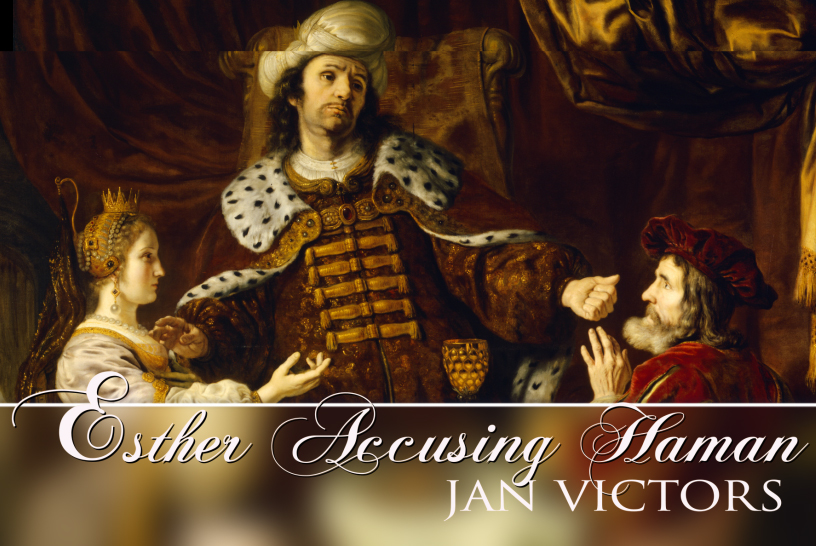
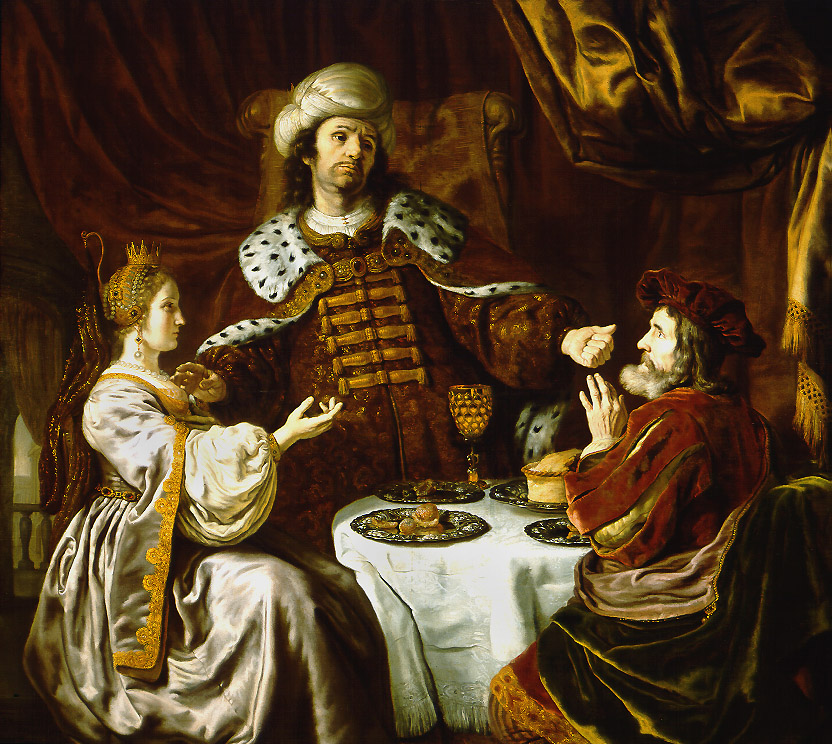
Jan Victors: Esther Accusing Haman
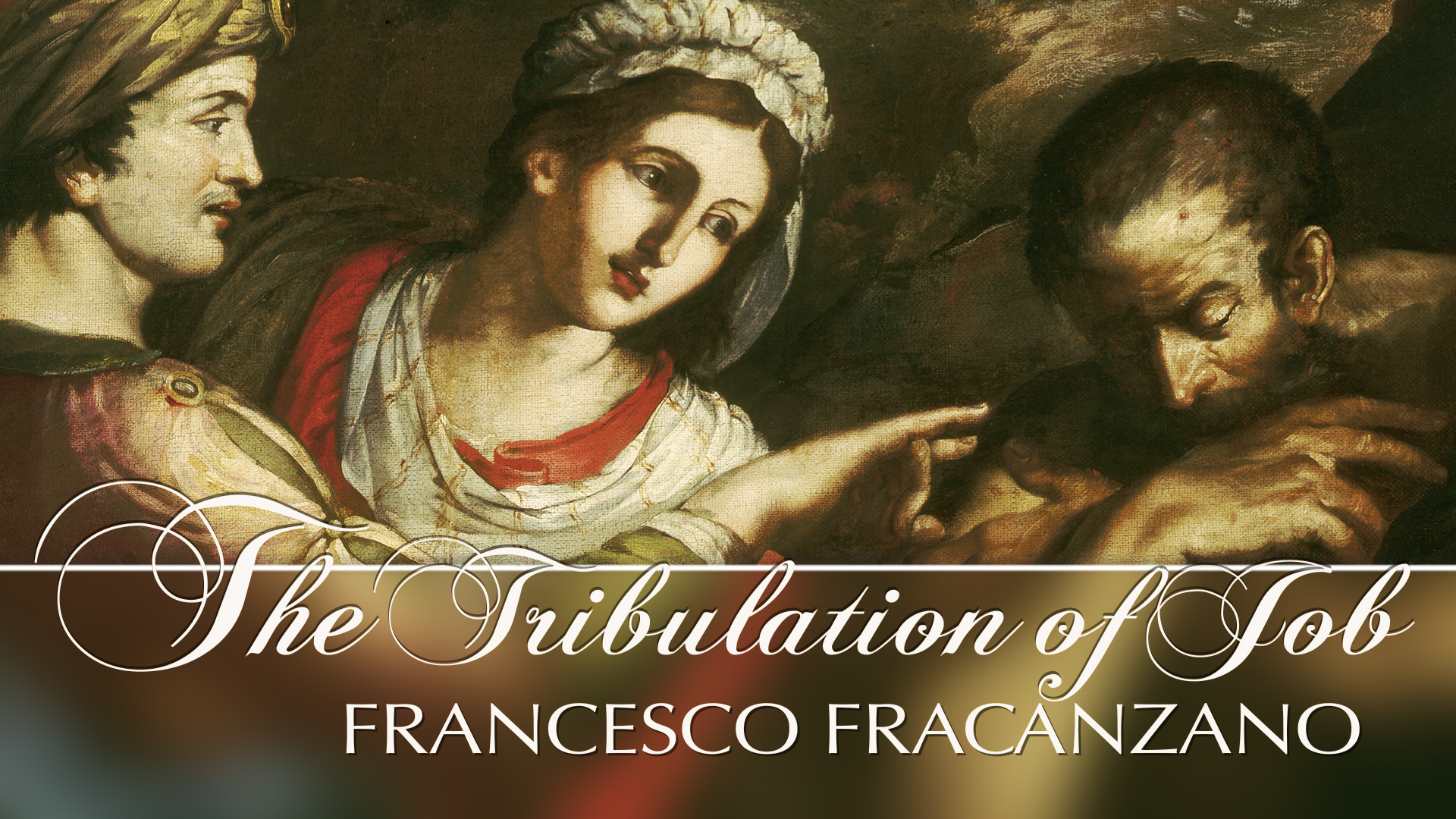
Francesco Fracanzano: The Tribulation of Job
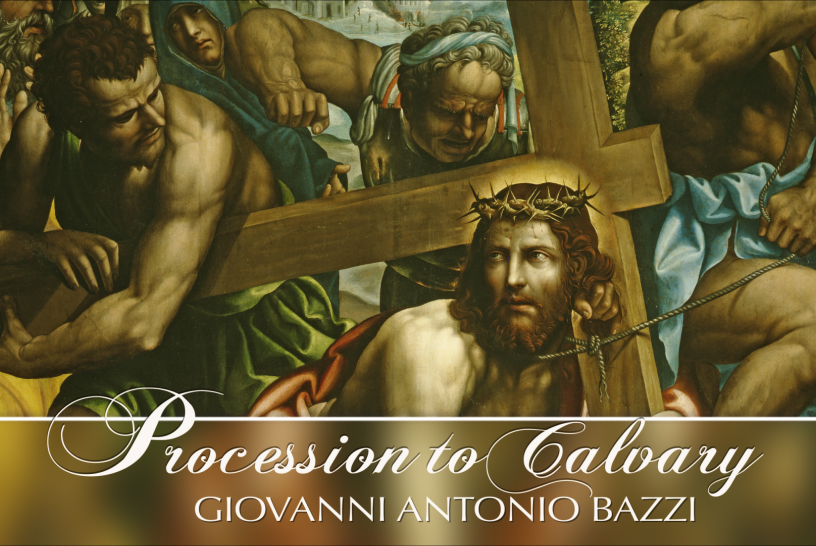
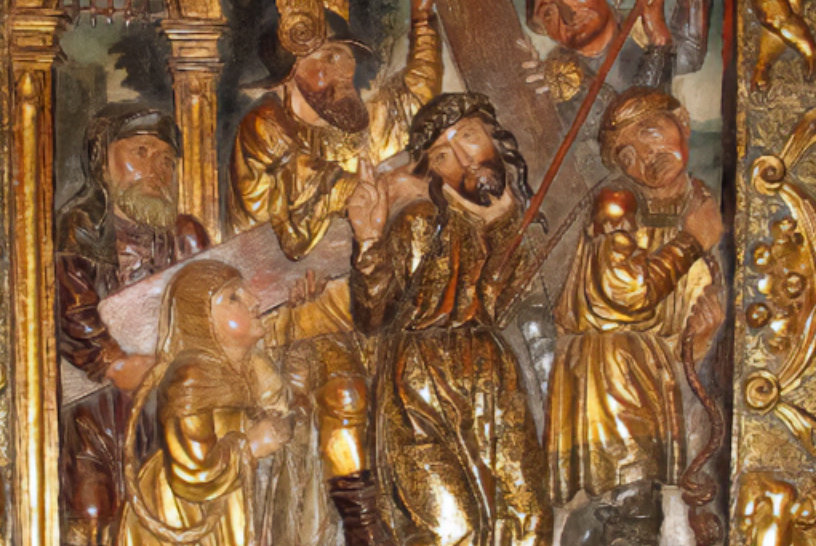
Giovanni Antonio Bazzi: Procession to Calvary
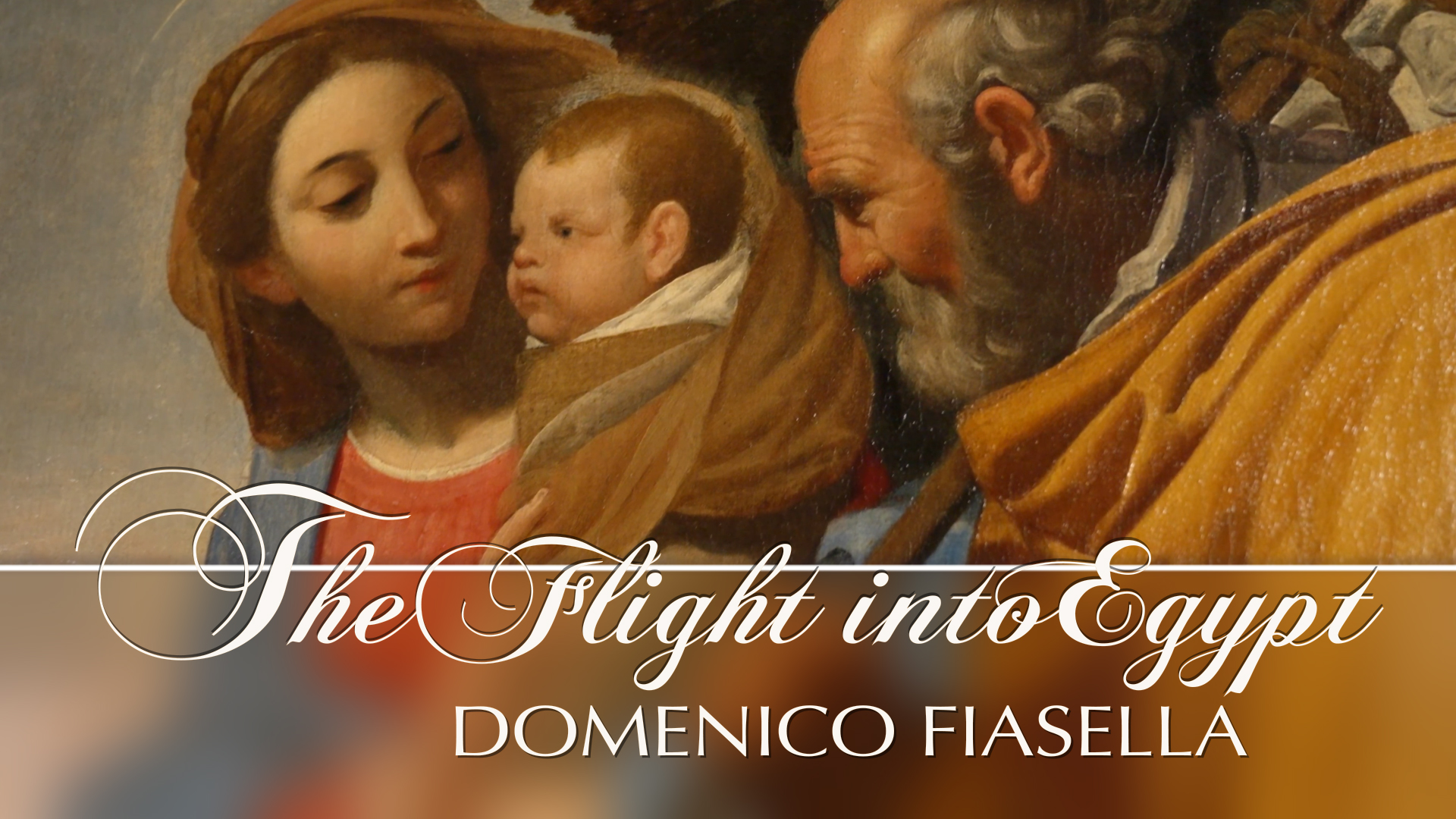
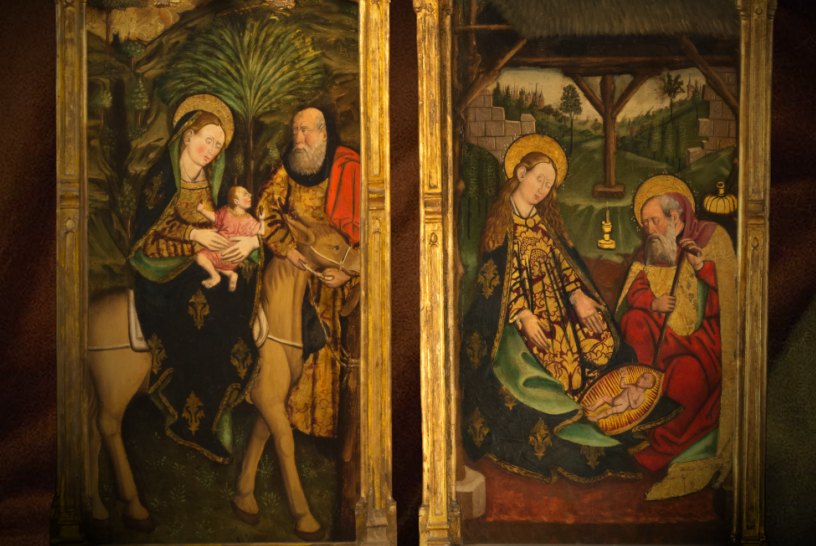
Domenico Fiasella: The Flight into Egypt
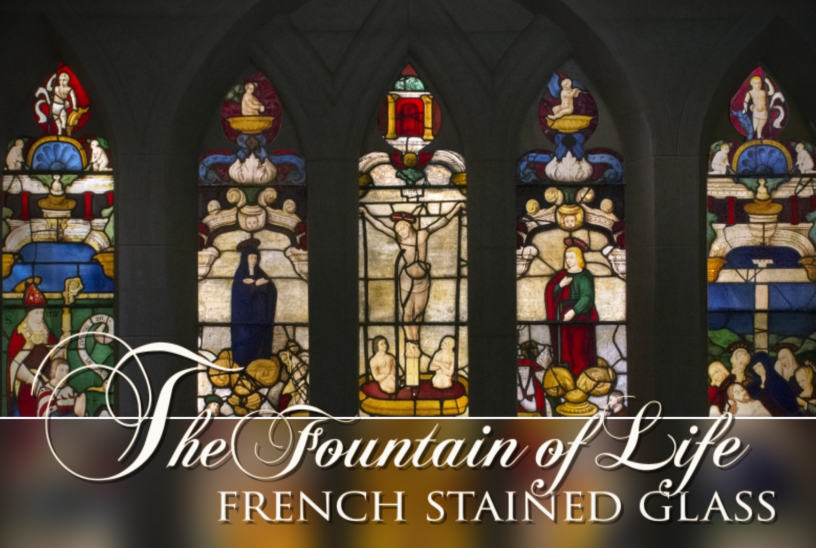
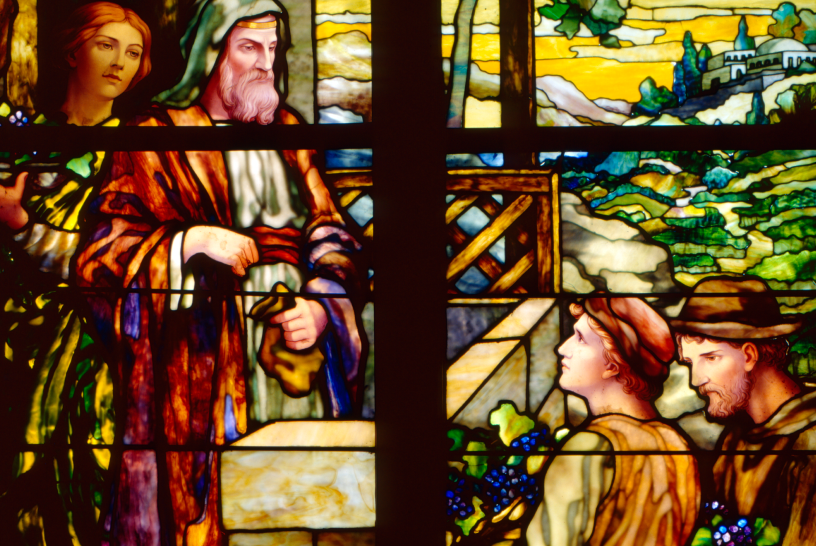
French Stained Glass: The Fountain of Life
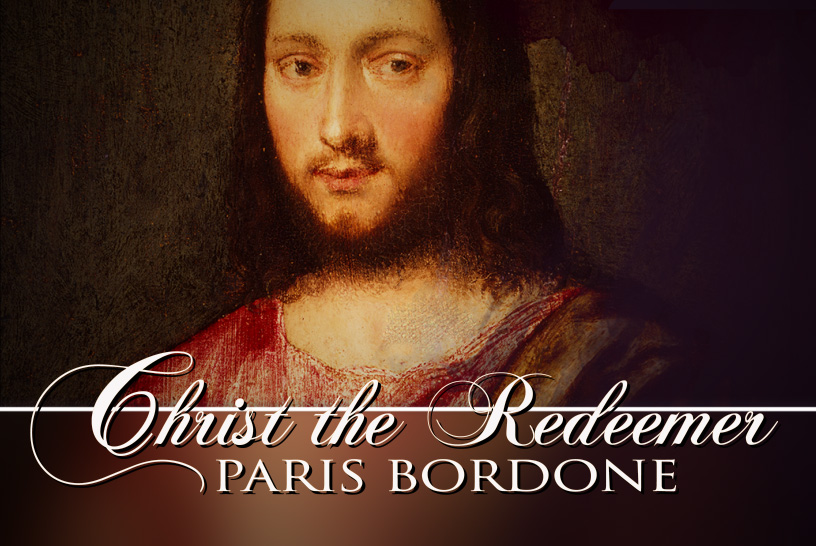
Christ the Redeemer: Paris Bordone
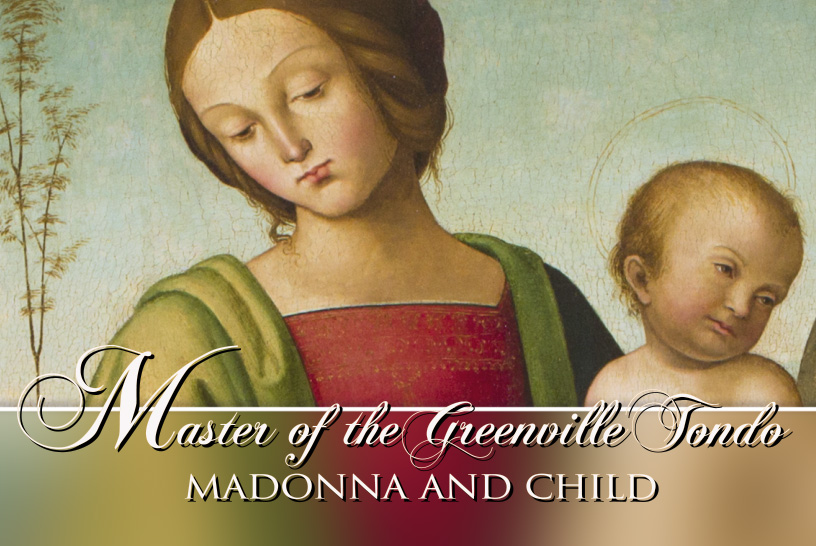
Madonna and Child: Master of the Greenville Tondo
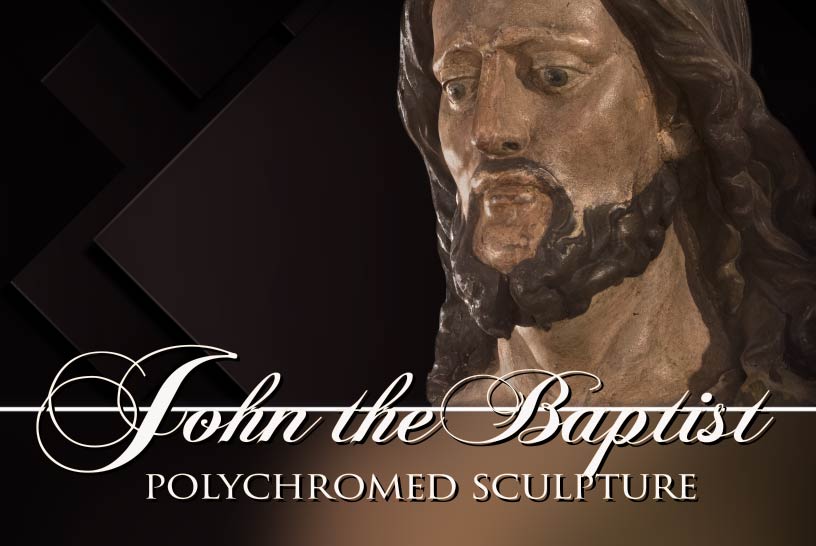
John the Baptist: Polychromed Sculpture
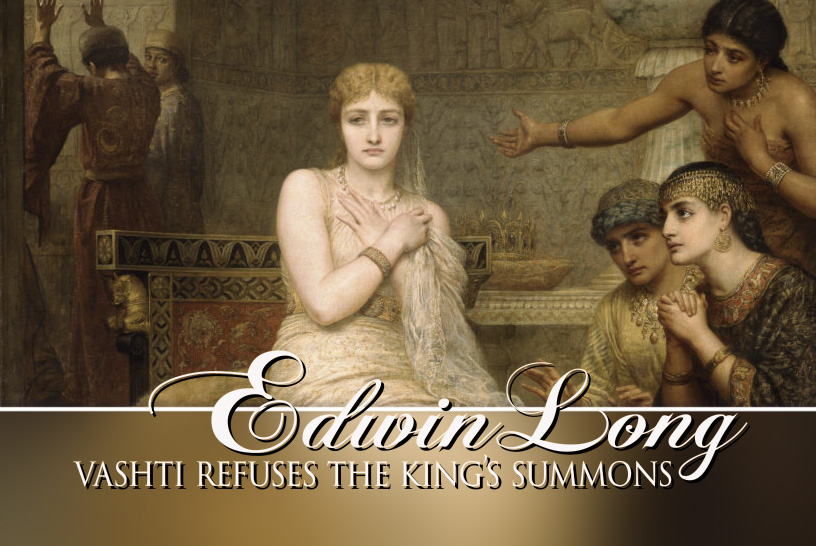
Edwin Long: Vashti Refuses the King’s Summons
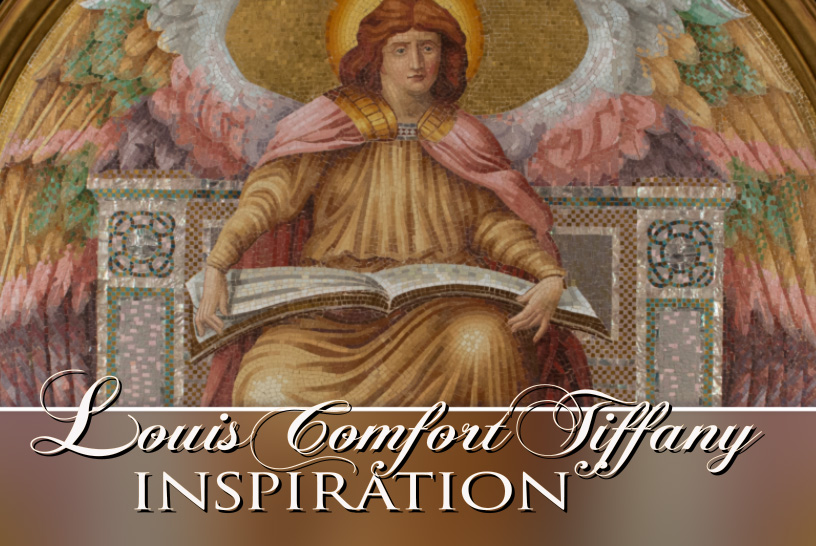
Louis Comfort Tiffany: Inspiration
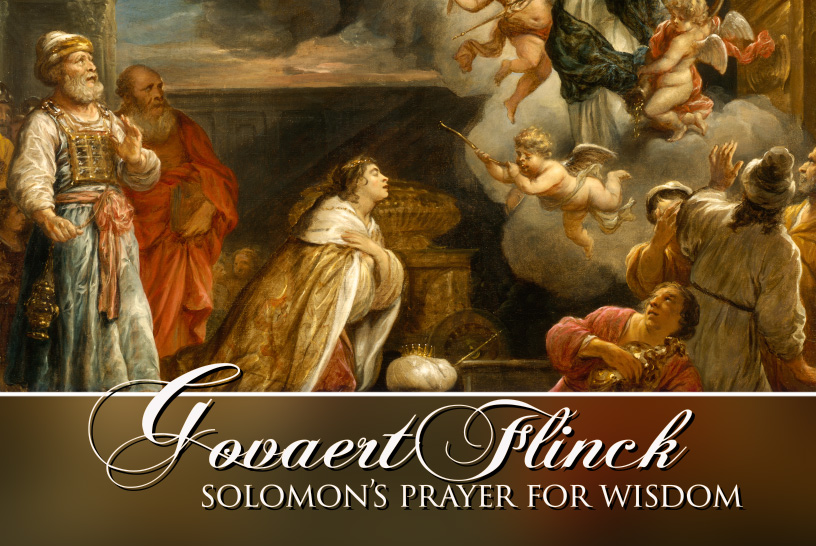
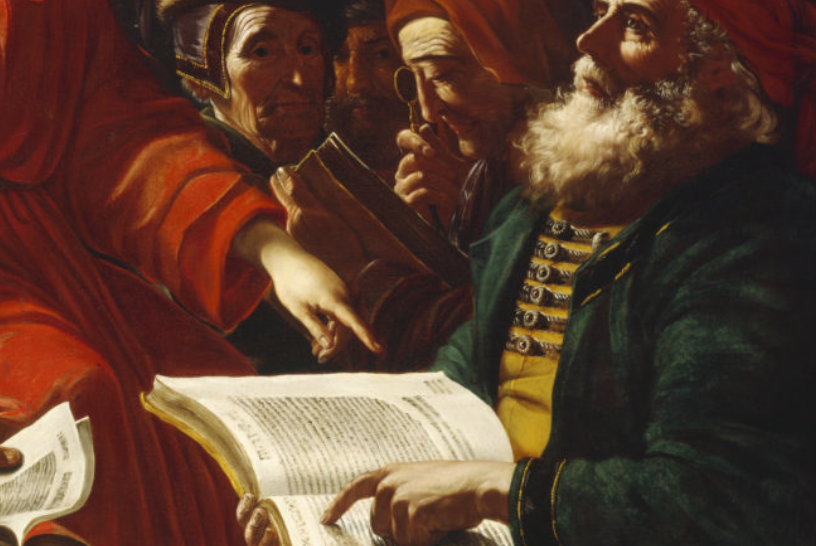
Govaert Flinck: Solomon’s Prayer for Wisdom
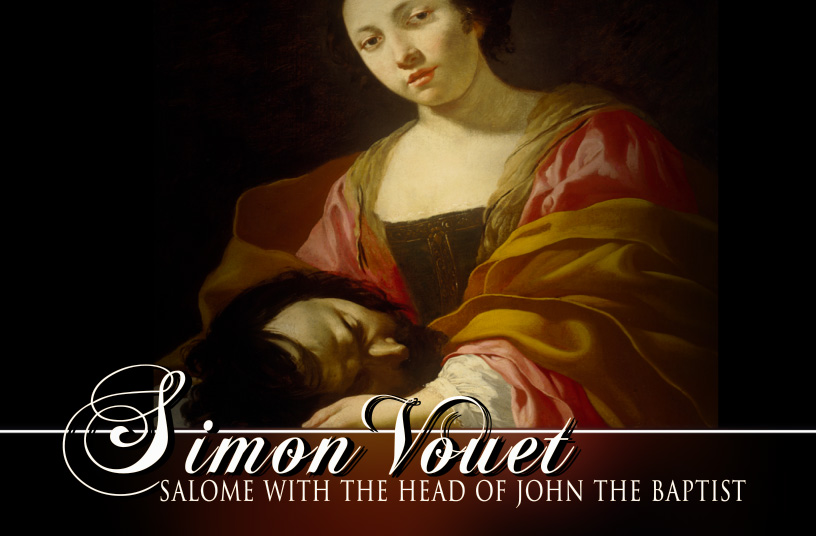
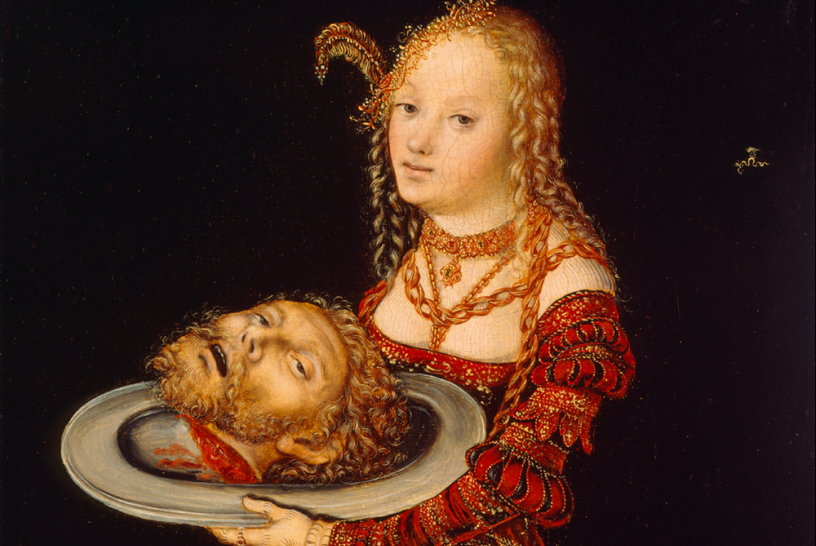
Simon Vouet: Salome with the Head of John the Baptist
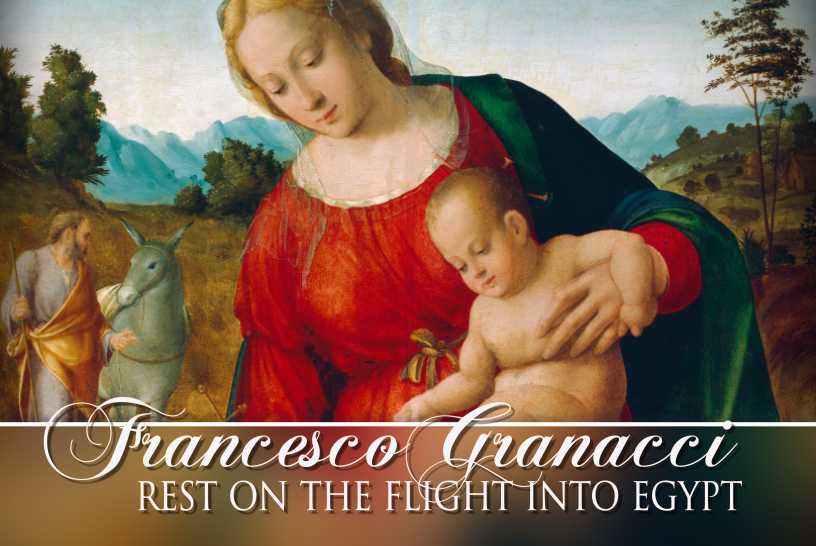
Francesco Granacci: Rest on the Flight into Egypt
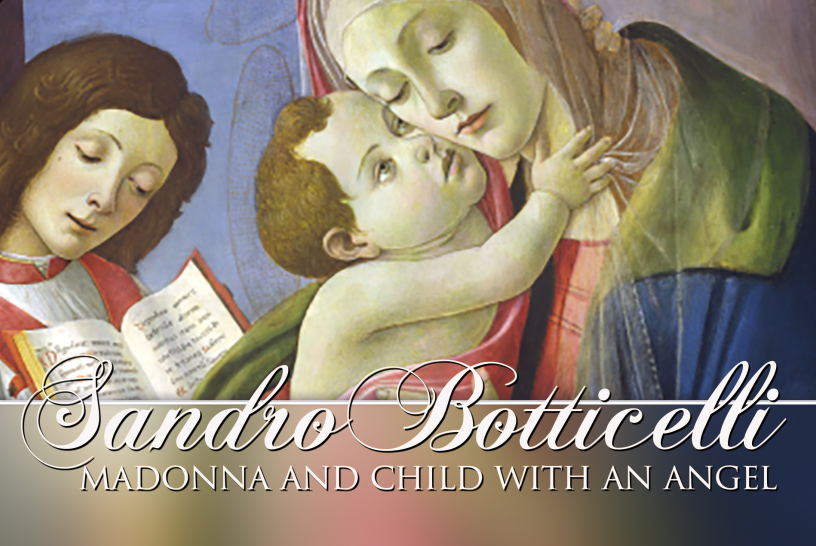
Alessandro di Mariano Filipepi, called Sandro Botticelli (and studio): Madonna and Child with an Angel
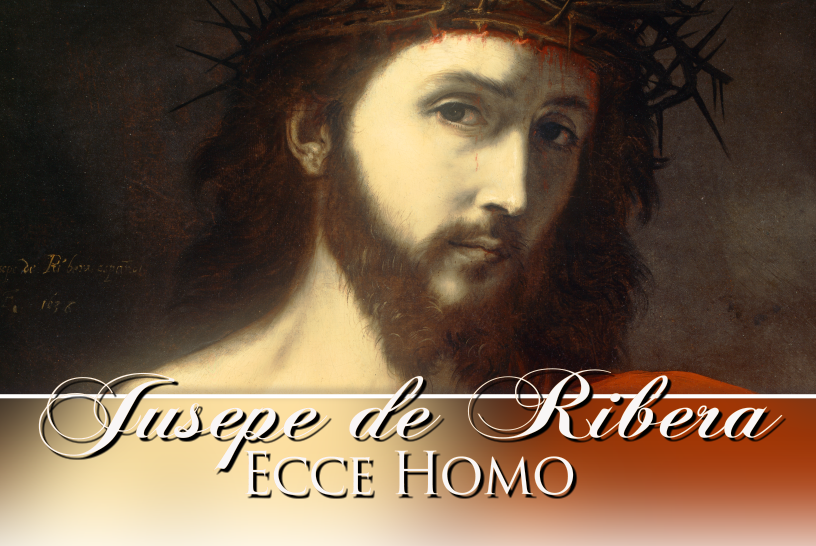
Jusepe de Ribera: Ecce Homo
Gustave Doré: Christ Leaving the Praetorium
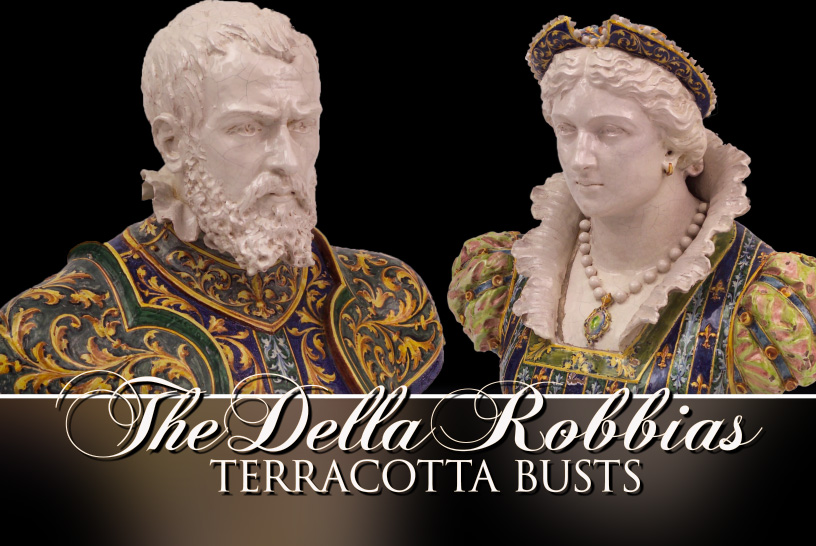
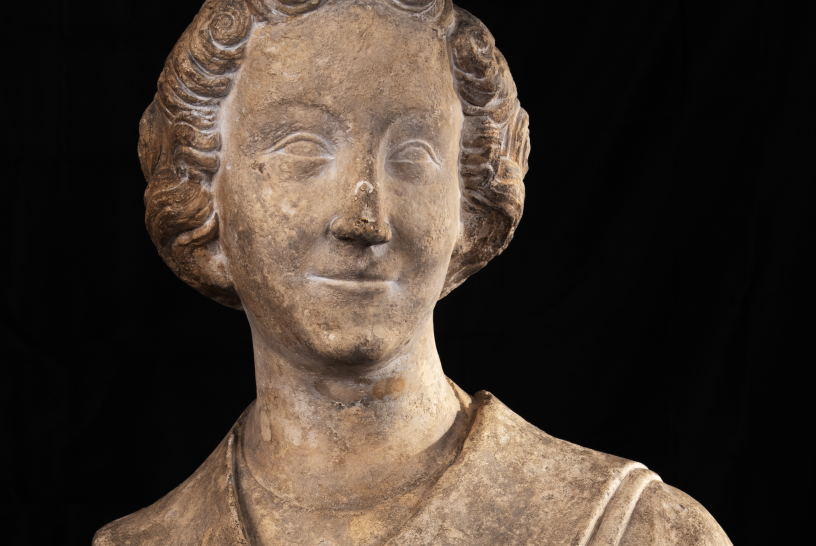
Girolamo Della Robbia: Terracotta Busts
Mattia Preti: Christ Seats the Child in the Midst of the Disciples
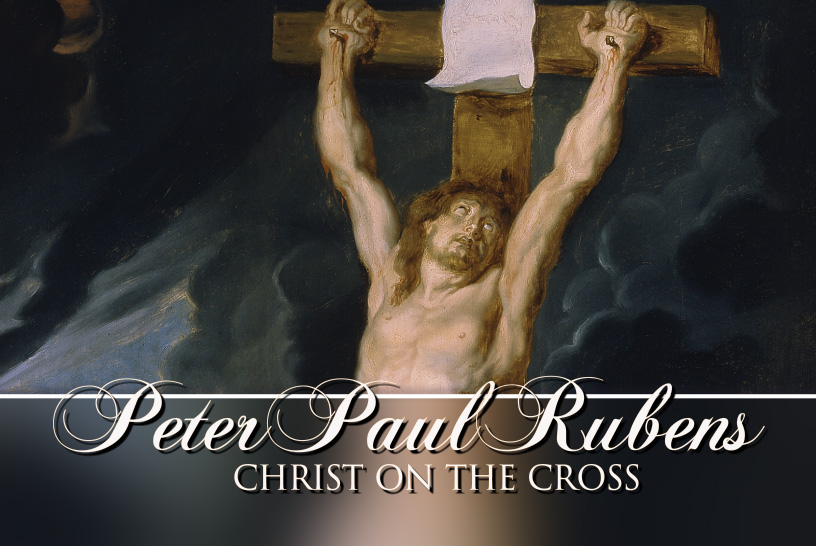
Peter Paul Rubens: Christ on the Cross
Cassone: Renaissance Marriage Chest
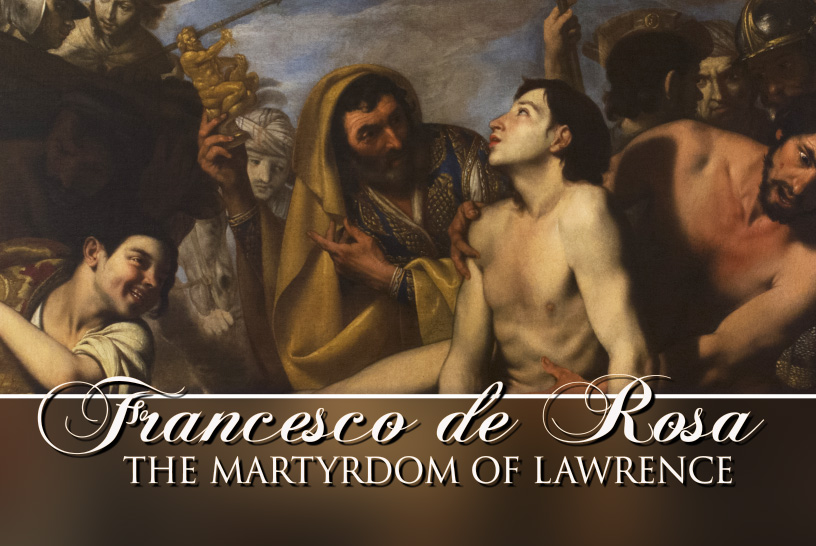
Francesco de Rosa: The Martyrdom of St. Lawrence
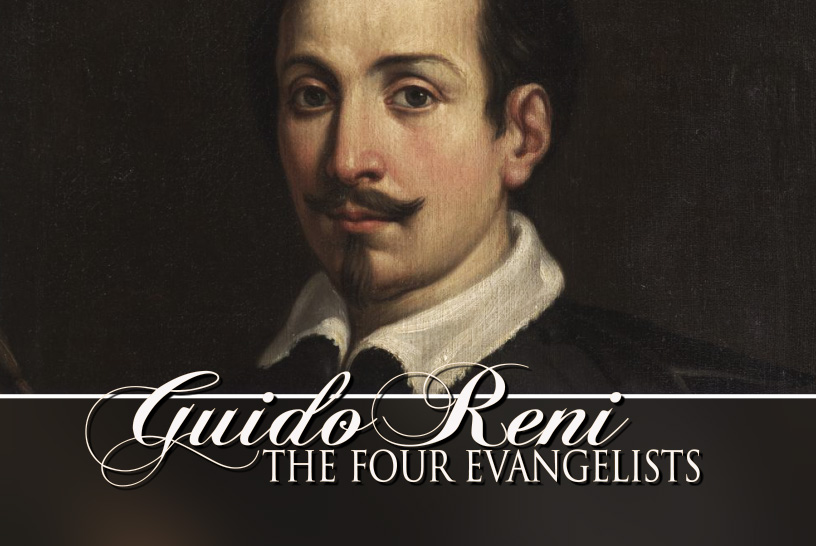
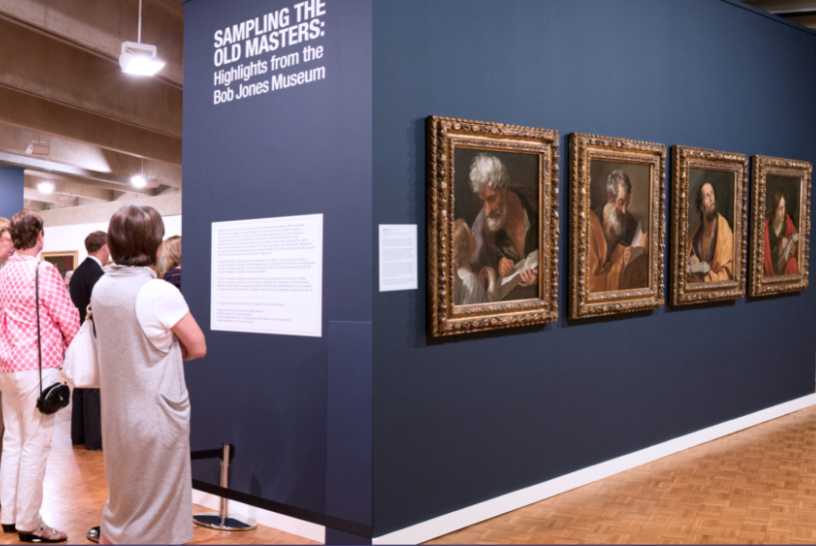
Guido Reni: The Four Evangelists
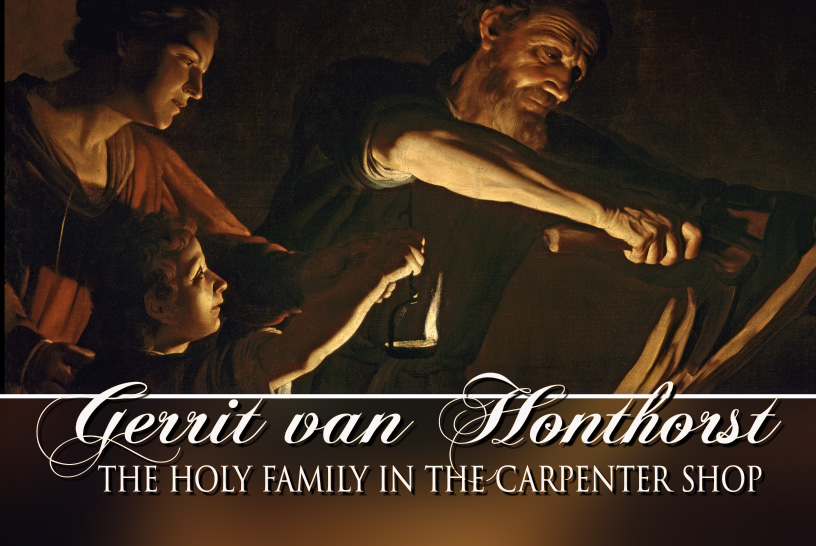
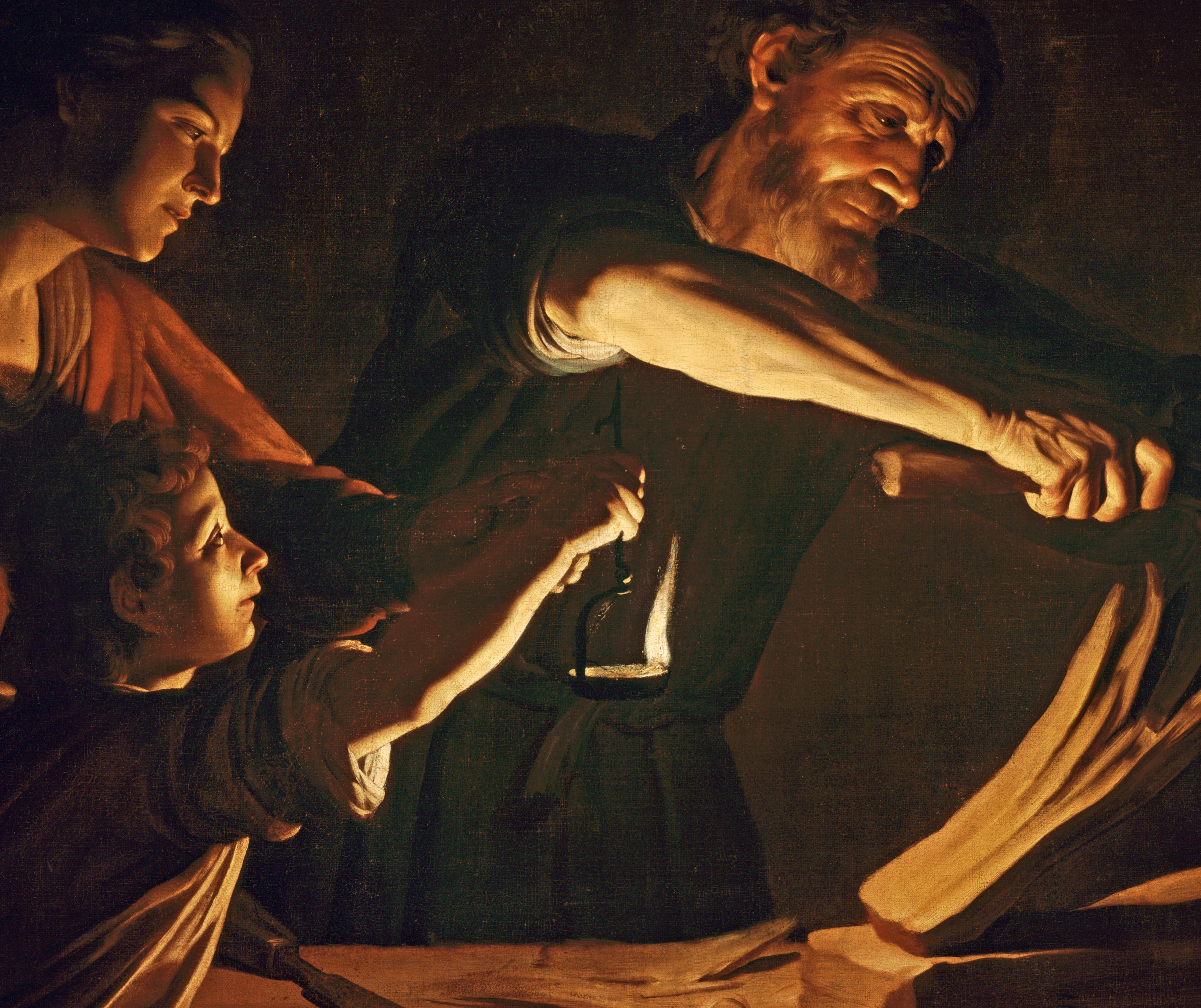
Geritt van Honthorst: The Holy Family in the Carpenter Shop
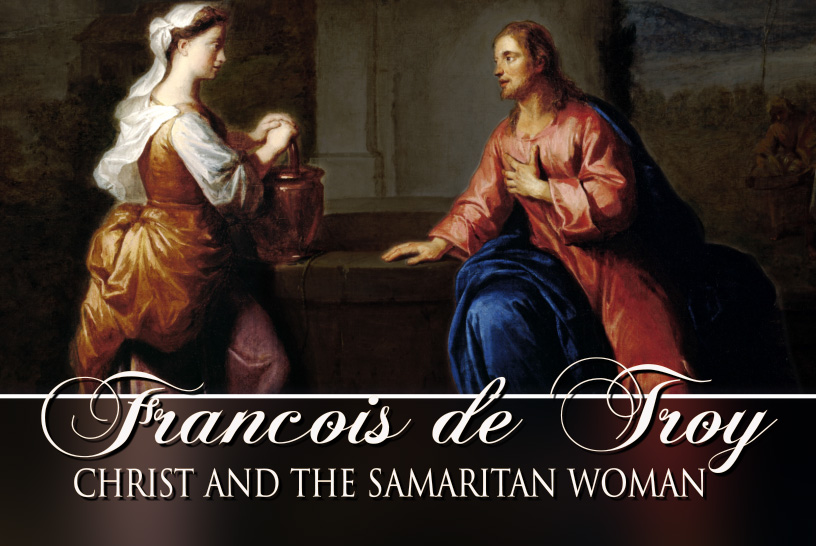
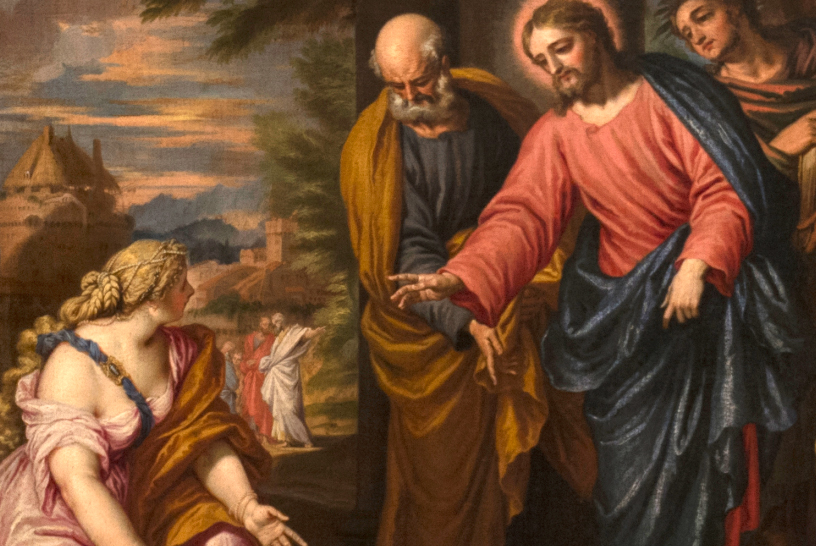
Francois de Troy: Christ and the Samaritan Woman
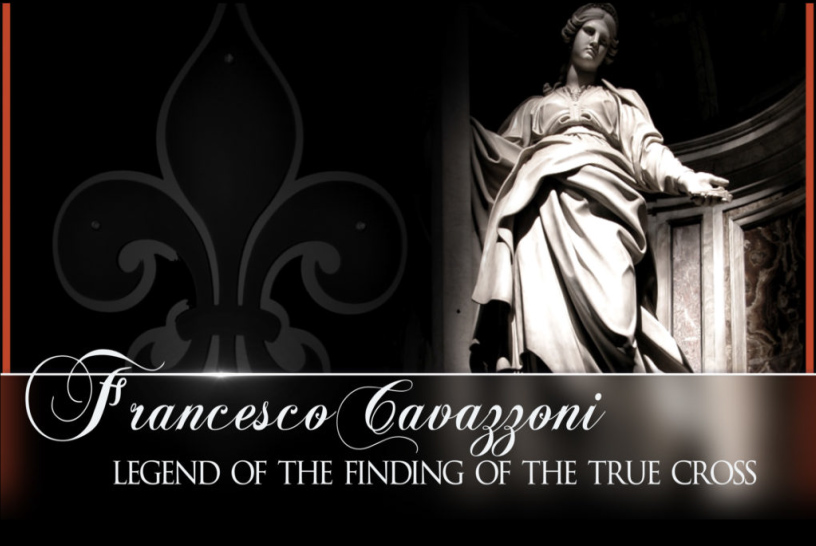
Francesco Cavazzoni: Legend of the Finding of the True Cross
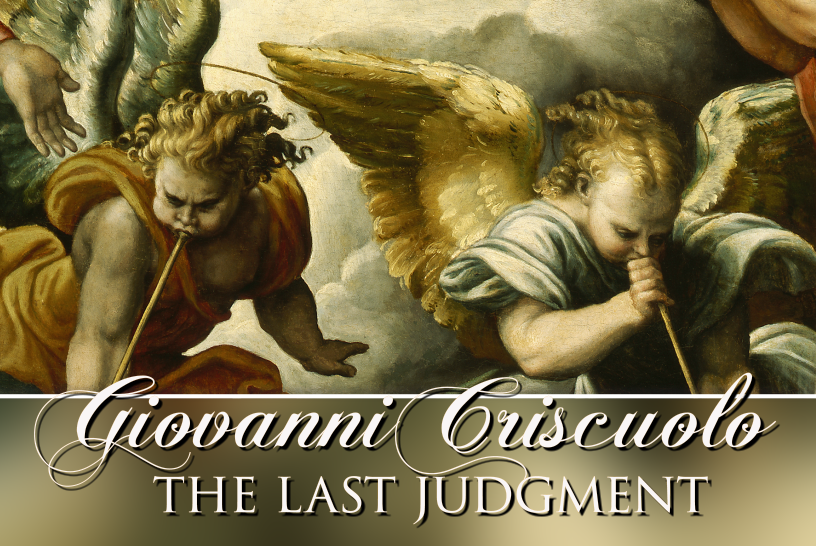
Giovanni Filippo Criscuolo (attr. to): The Last Judgment
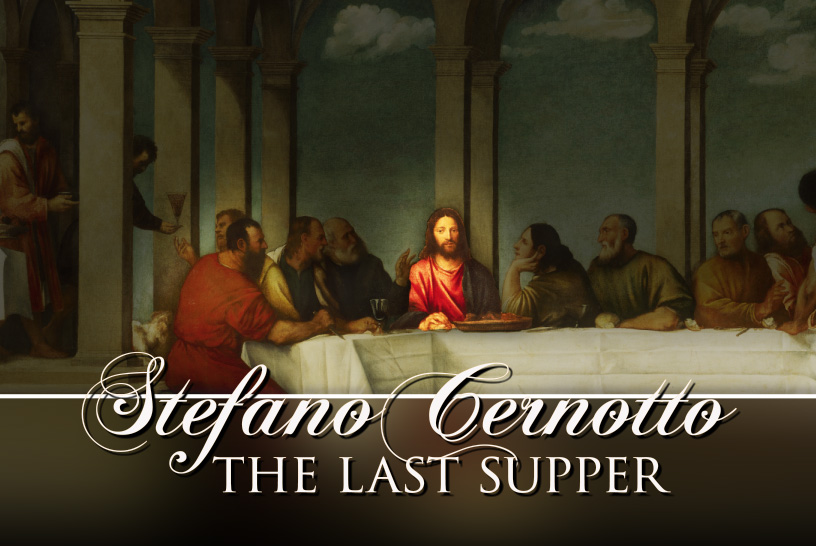
Stefano Cernotto (attr. to): The Last Supper
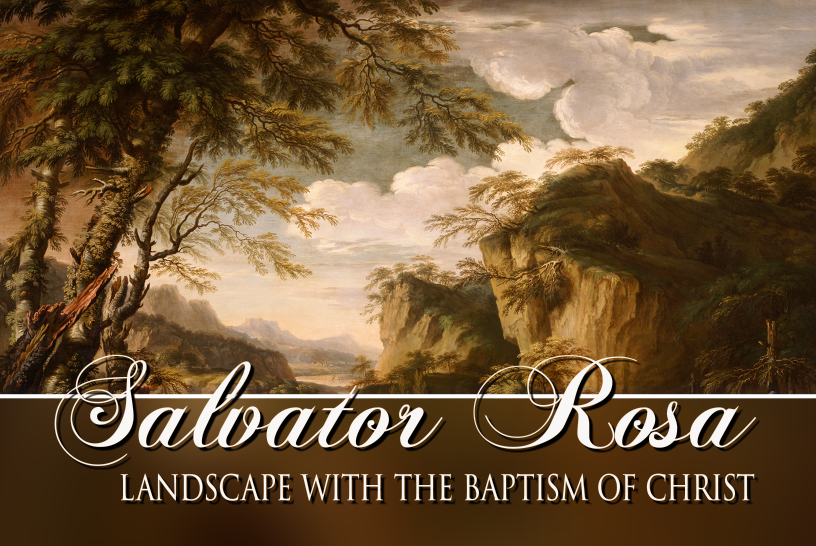
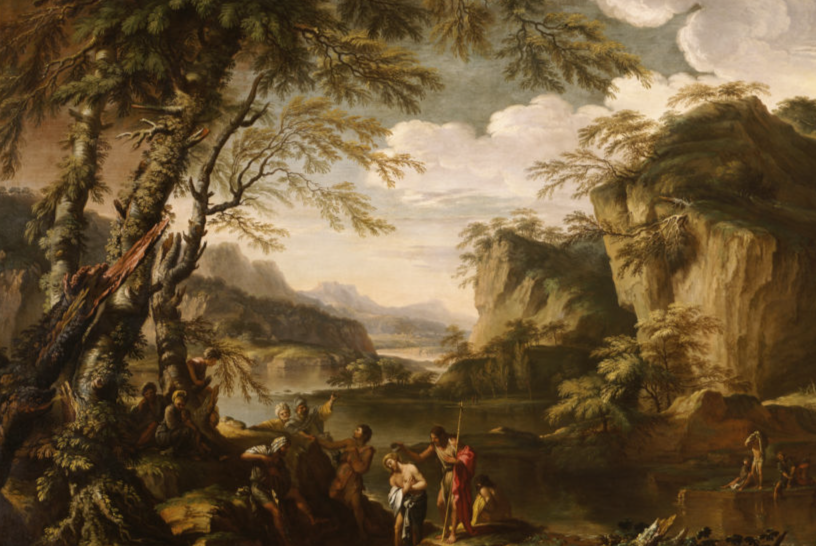
Salvator Rosa: Landscape with the Baptism of Christ
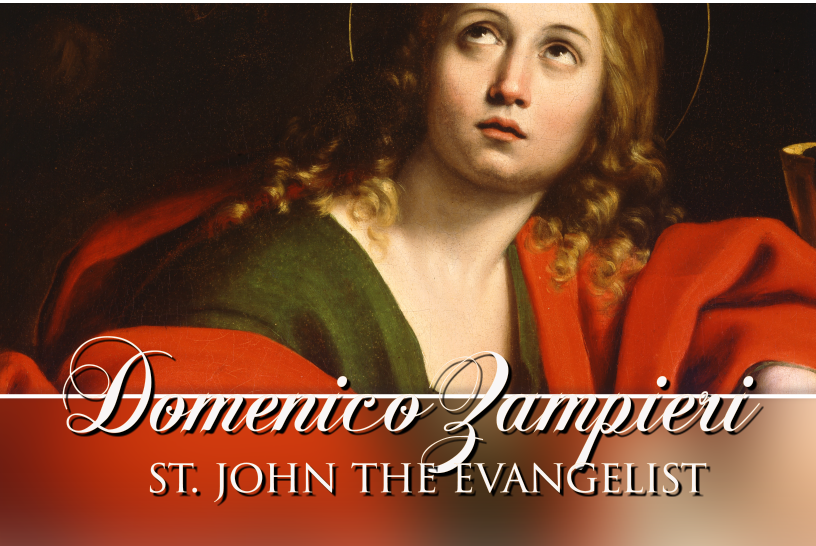
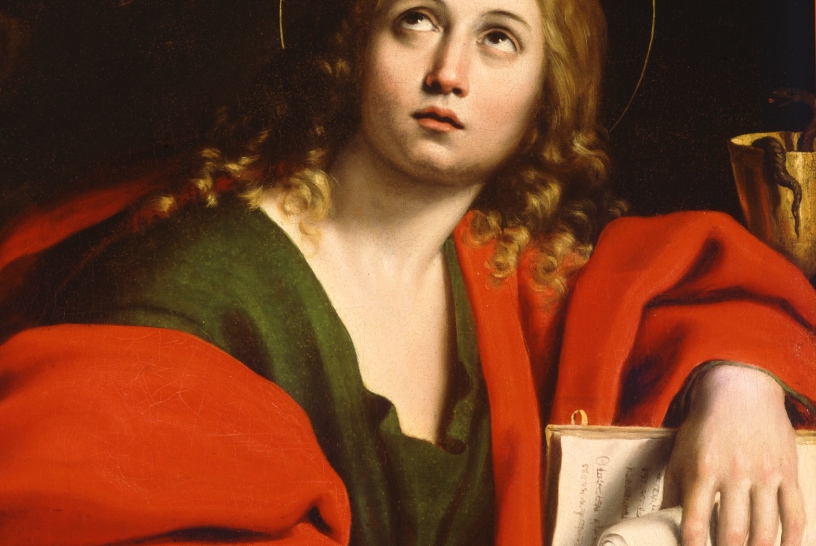
Domenico Zampieri: St. John the Evangelist
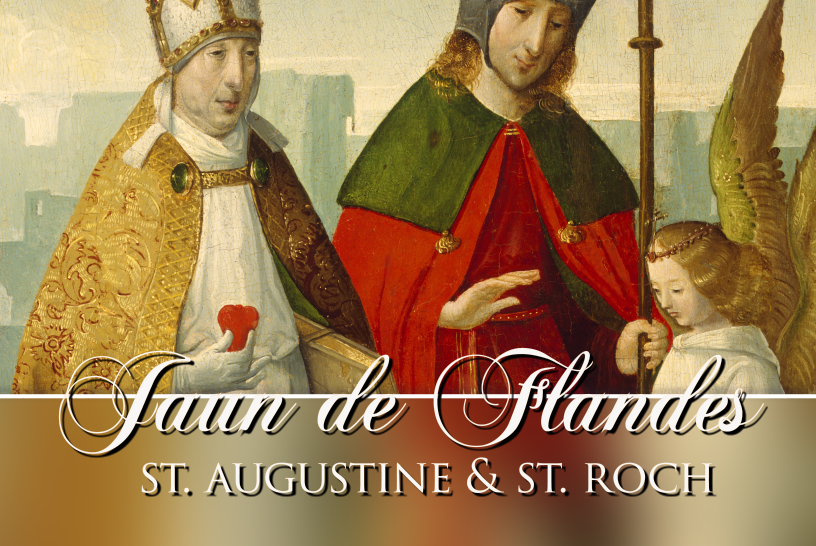
Jaun de Flandes: St. Augustine and St.Roch
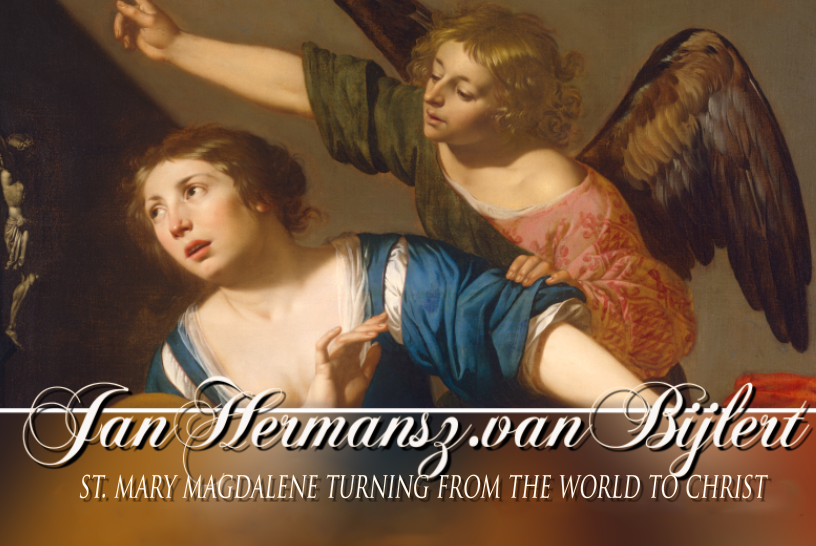
Jan Hermansz. van Bijlert: Mary Magdalene Turning from the World to Christ
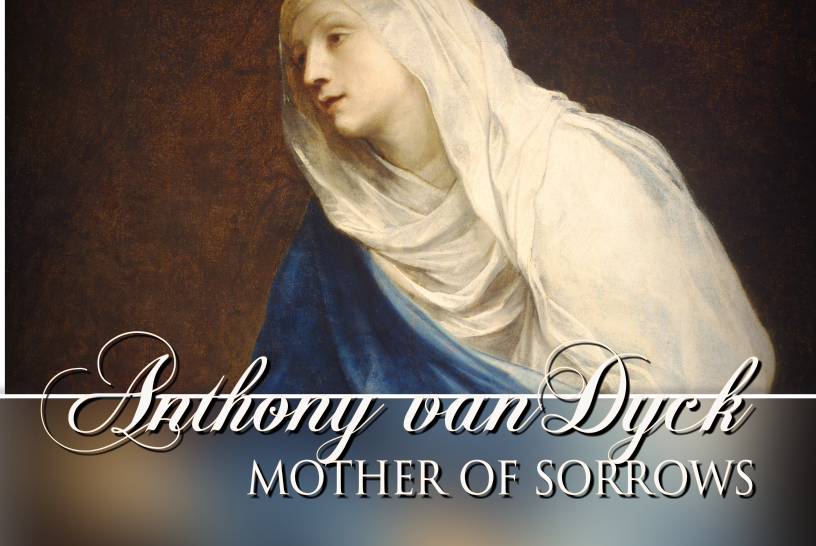
Anthony van Dyck: Mother of Sorrows (Mater Dolorosa)
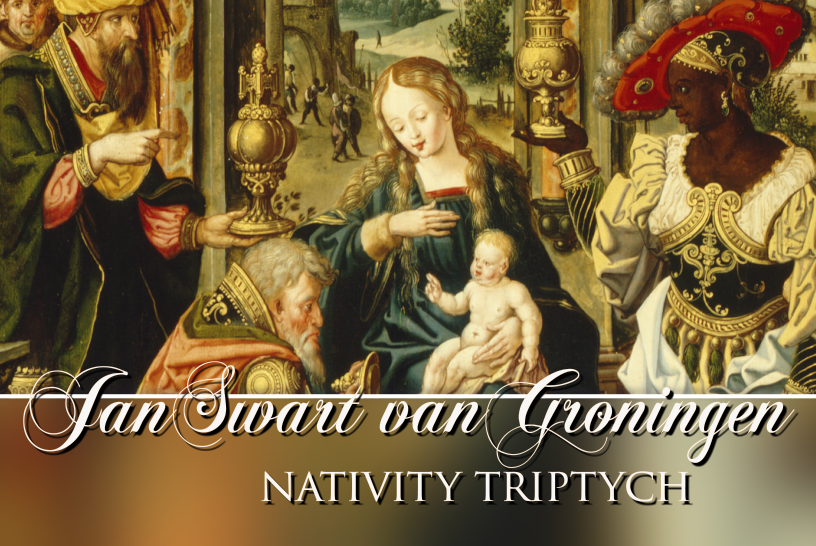
Jan Swart van Groningen: Nativity Triptych
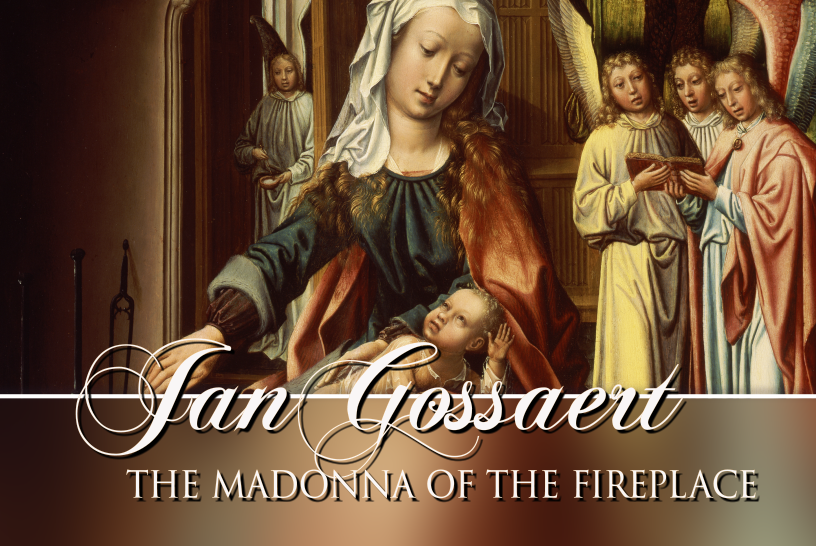
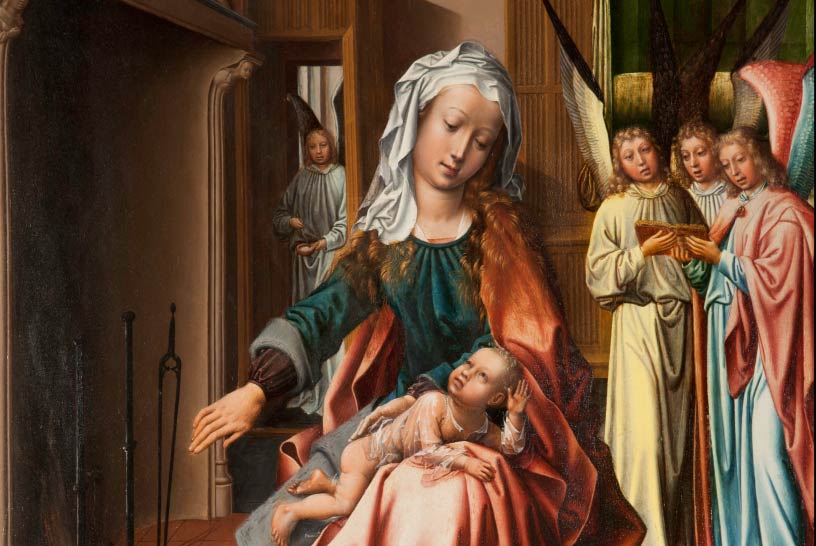
Jan Gossaert: The Madonna of the Fireplace
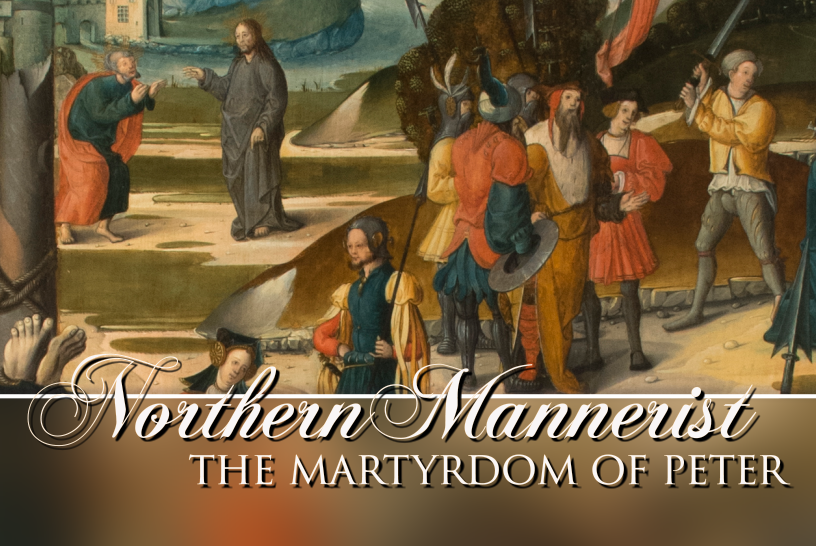
Northern Mannerism: The Martyrdom of Peter
Marietta Robusti: Allegory of Wisdom
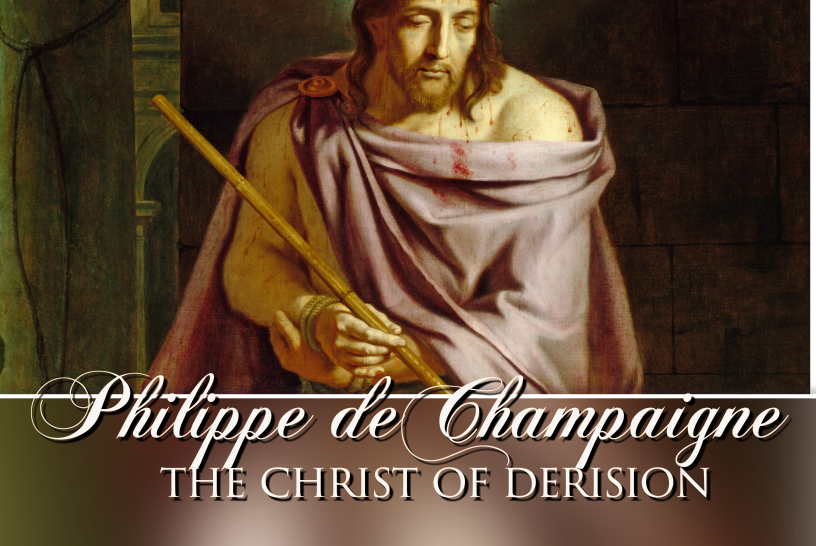
Philippe de Champaigne: The Christ of Derision
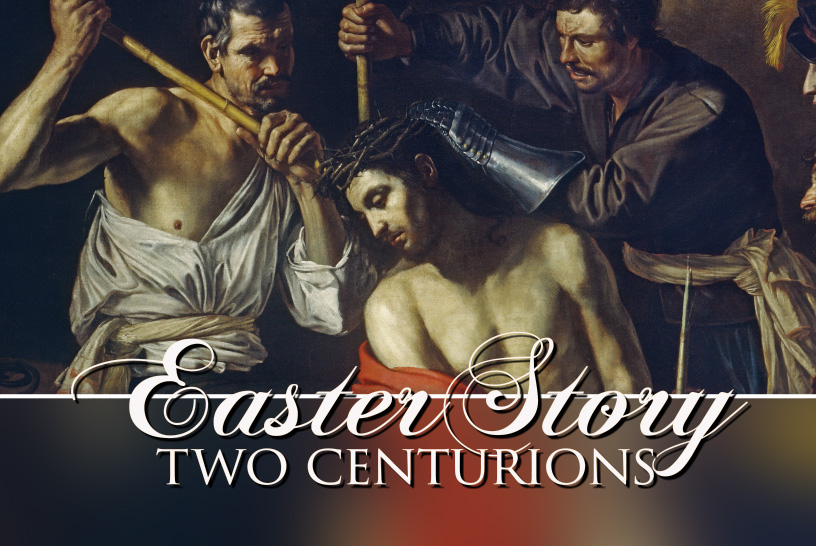
The Easter Story: Two Centurions
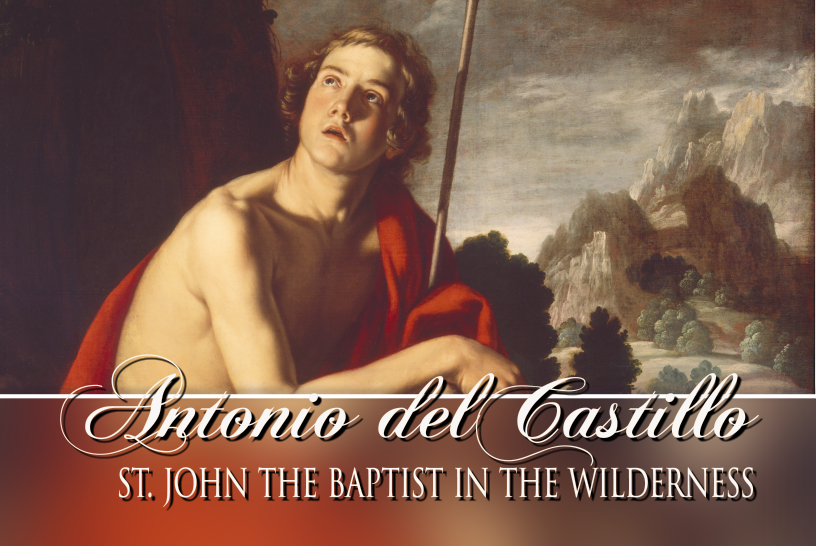
Antonio del Castillo y Saavedra: St. John the Baptist in the Wilderness

History in Pictures

Art is a record of ideas and messages from the past, reflecting its own time and culture. Sometimes art’s culture is foreign to our own experiences and understanding today, which requires a translation in order for us to grasp the meaning of its intent and the significance in its time. Listen and learn about works of art and their context from M&G’s collection and others—it’s an opportunity to view the world beyond your twenty-first-century perspective and experience. Get started by clicking on the images below.


The Dream of St. Peter: Roelandt Savery

Roelandt Savery’s lifelong interest in studying and painting exotic animals and topography made him one of the most imaginative artists of the late sixteenth-early seventeenth centuries.

Object of the Month: October 2024

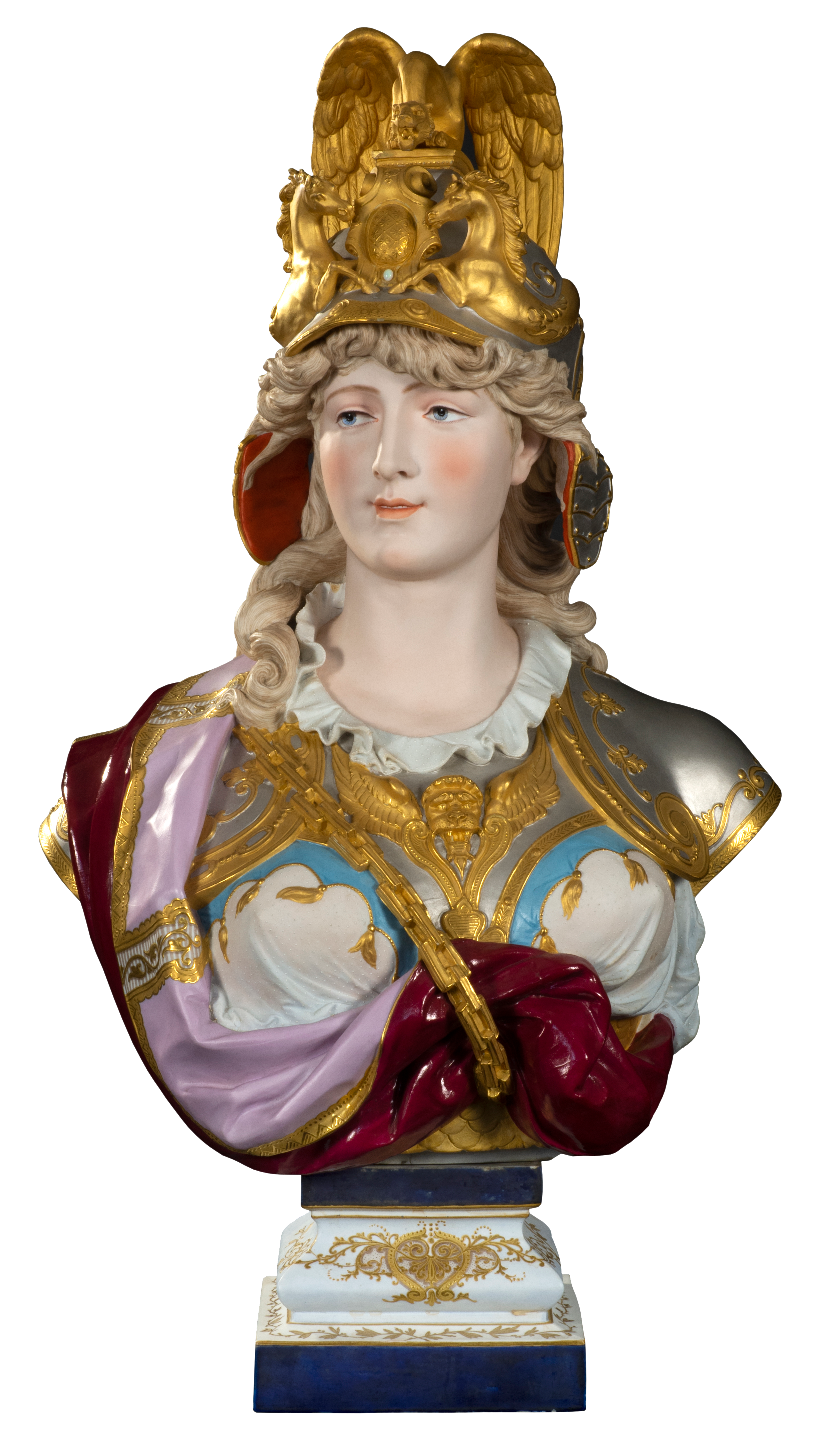
Bust of Athena

Porcelain

Unknown Sculptor, after Paul Duboy

French, 1860-1880

M&G’s magnificent porcelain bust of a female warrior presents the viewer with two fascinating mysteries.

Who Crafted It? 

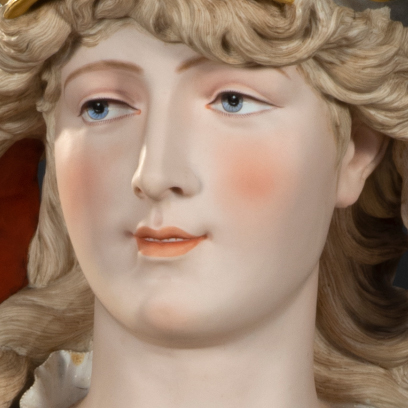
The bust has no signature or manufacture’s marks. The base does, but documented provenance of the piece, which dates to the mid-twentieth century, reveals that the base is not original to the sculpture. Experts have examined M&G’s bust and place its manufacture in France between 1860 and 1880. At that time similar, elaborately dressed busts were popular, and the techniques needed to produce the richly colored glazes for the clothing and accessories while leaving smooth, lightly colored biscuit porcelain for the skin and various details had been perfected. The contrast between the solid, smooth, glossy sections and the soft, matte texture of the biscuit sections heightens the visual interest of works like these.

Paul Duboy (1830-1887), a French sculptor, exhibited his sculpture at the prestigious Paris Salon from 1853-1882. Duboy made and signed busts similar to M&G’s sculpture, which lacks his elaborate signature on its back. Yet, because of its similarity to his other works, authorities have suggested using “in the manner of” or “after” Paul Duboy.

Who Is This Female Warrior? 

From the pantheon of candidates, the personification of the French Republic has been suggested. During the French Revolution, Marianne embodied the qualities valued by French citizens: liberty, equality, fraternity, and reason. M&G’s bust, however, lacks the Phrygian cap, laurel wreath or spiked diadem, and other visual symbols attributed to Marianne.

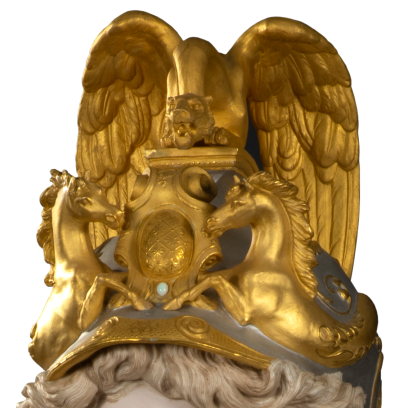
The Greek goddess Athena is a more likely candidate. Zeus, the chief Greek deity, was her father. Legend tells that Athena sprang full-grown from Zeus’s forehead dressed in complete Greek armor. As the goddess of war, Athena participated in the Trojan War and has generally been portrayed with a spear or bow and arrows. She was also the goddess of domestic handicrafts, animal husbandry, and wisdom. Generally, she used her wisdom to supply warriors with the tactics, strategy, and inspiration needed to defeat enemies. Animal symbols associated with Athena include the owl and snake, both representing wisdom (she also cursed Medusa with hair of snakes), and the horse referencing her teaching man how to tame the animal. While an unusual artistic reference, perhaps the horses on M&G’s helmet symbolize this lore. The eagle-winged dragon atop M&G’s helmet, however, has no known Athenian reference.

Another possible female warrior may be Minerva, the Roman version of Athena. The two share similar attributes, but the Roman goddess of war is usually depicted wearing an Attic helmet, which does not cover the face but often has ear guards, and may have decorative elements on top. Roman soldiers typically wore Attic helmets and variations were common after the fall of the Roman empire. M&G’s bust wears a greatly-modified and highly-decorated Attic helmet.

Virtually all artist renderings of both Athena and Minerva wear loose-fitting Greco-Roman garments, even when they wear armor. M&G’s bust is elaborately dressed and draped in the manner of many busts from the period of its manufacture. She also wears hints of decorative gold armor and a massive, ornate gold chain.

Some of the busts produced in this period are identified as famous individuals and with a name included on the sculpture. Most, however, are simply beautiful works of art with generic titles, not based on any specific individual. M&G’s bust may simply be a beautiful porcelain piece by an unknown, skilled artist depicting a female warrior.

The bust has presented more mysteries than answers. However, if you examine the piece closely you can be assured of two things: you will be impressed with its artistic quality and beauty, and you will gain a better understanding of the phrase “a porcelain complexion.”


Bill Pinkston, retired educator and M&G volunteer


Published 2024


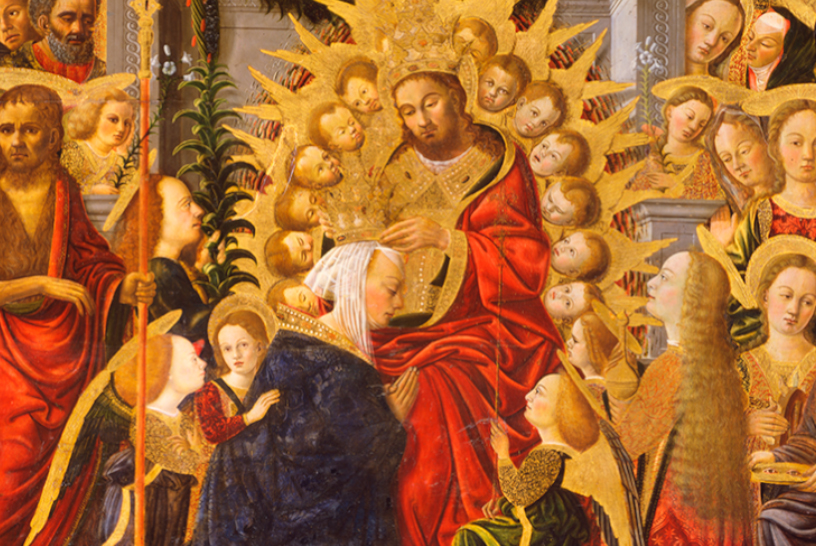
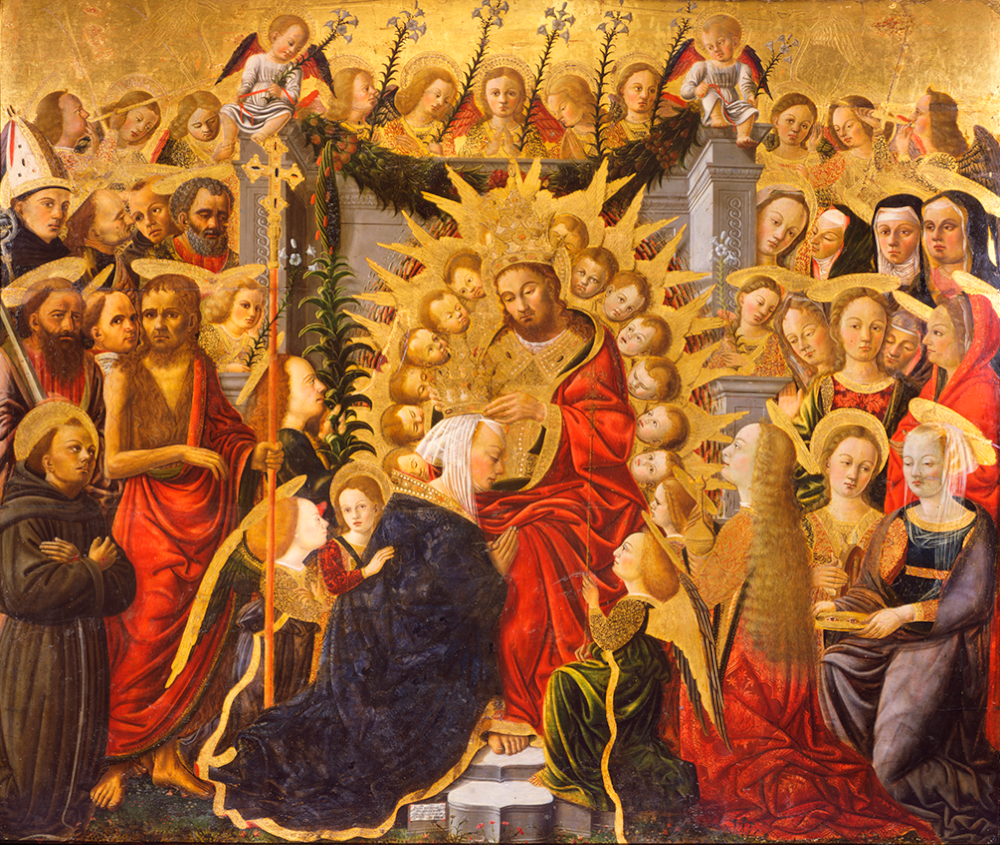
The Coronation of the Virgin

The Coronation of the Virgin

Antonio Checchi (called Guidaccio da Imola)

Below the image, click play to listen.


M&G Coloring Pages

For students of ALL ages: click and print the coloring sheet, then find inspiration in the Old Master’s original to create your own version!  Share your work with others on social media and tag the Museum & Gallery!  

Esther Accusing Haman by Jan Victors, Dutch (1619–after 1676)

For a printable coloring sheet click HERE.


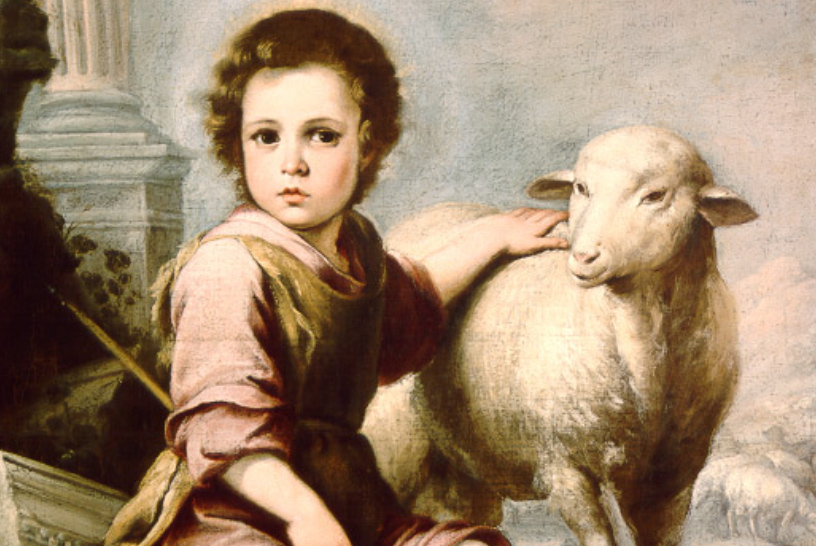
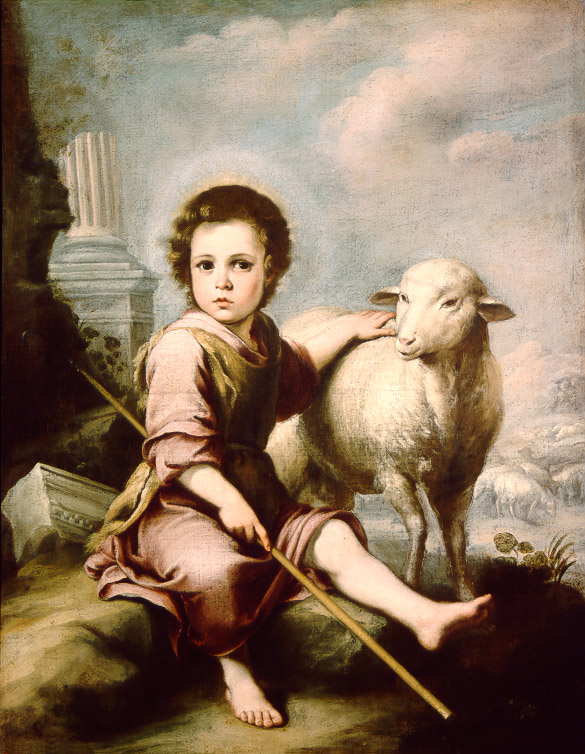
The Heavenly Shepherd by Bartolomé Esteban Murillo, Spanish (1617–1682)

For a printable coloring sheet click HERE.


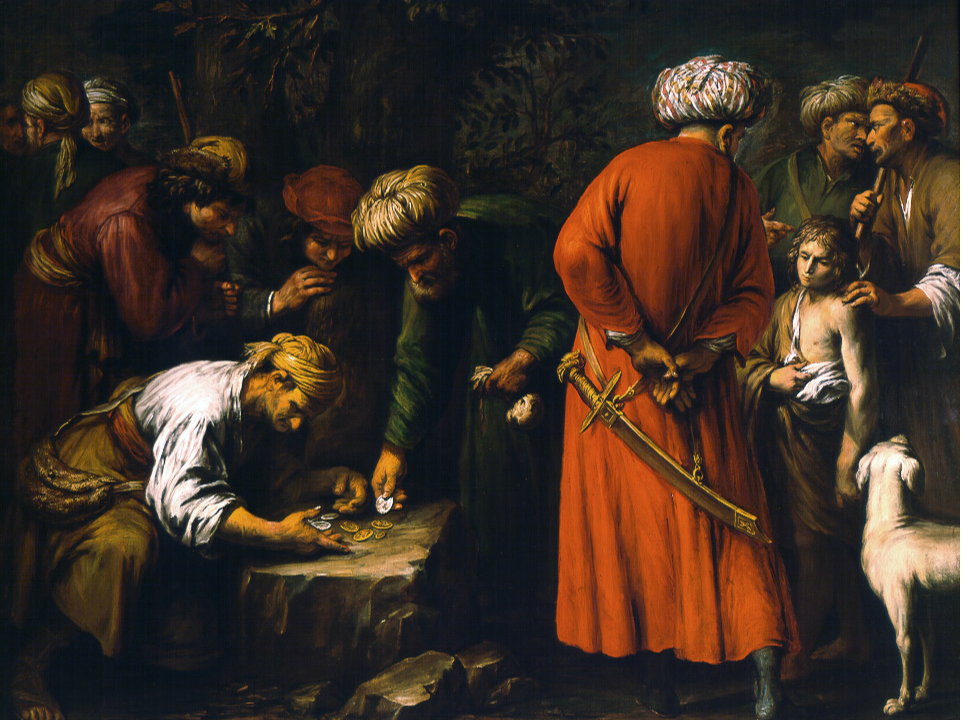
Joseph Sold into Bondage by His Brethren by Giovanni Battista Carlone, Genoese (1603–1684)

For a printable coloring sheet click HERE. 


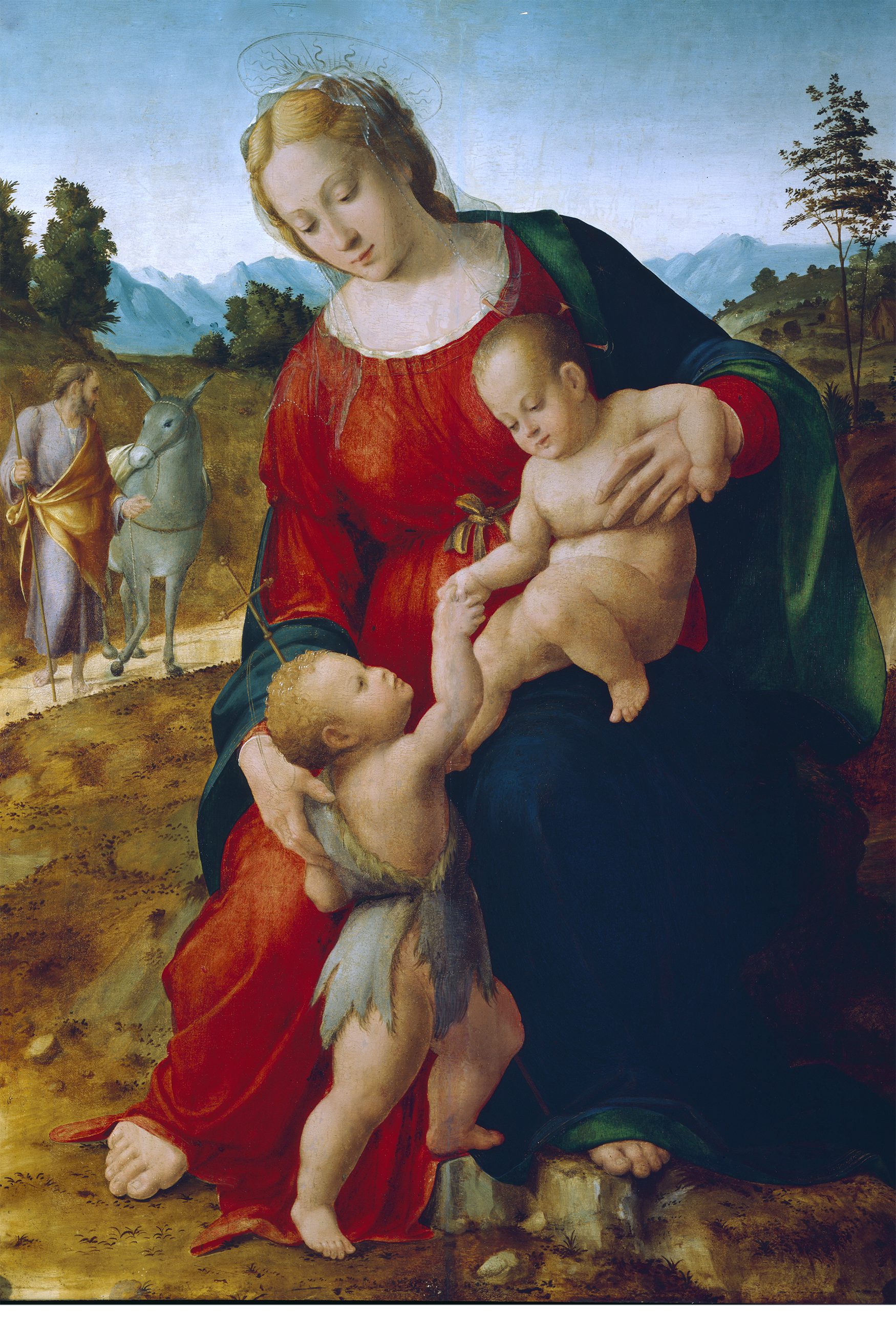
Rest on the Flight to Egypt by Francesco Granacci, Florentine (1469–1543)

For a printable coloring sheet click HERE.


Madonna of the Chair by Unknown 19th-century Artist (copy of Raphael)

For a printable coloring sheet click HERE.