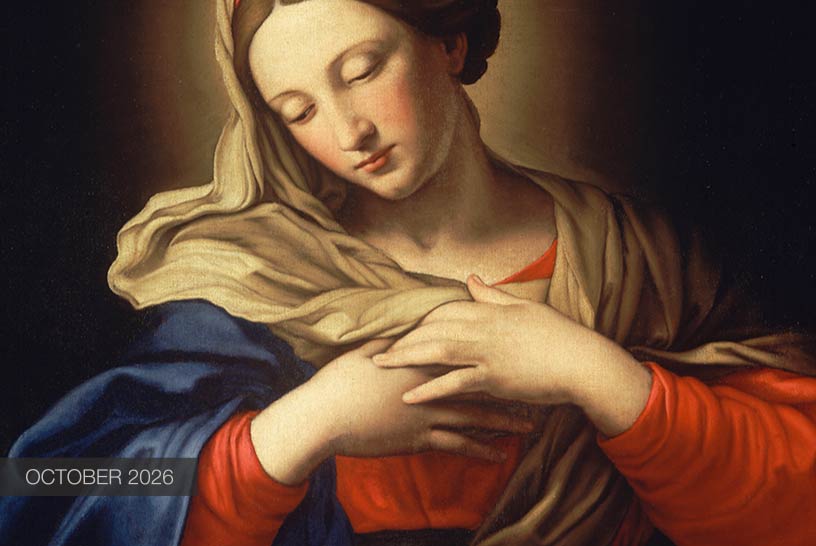
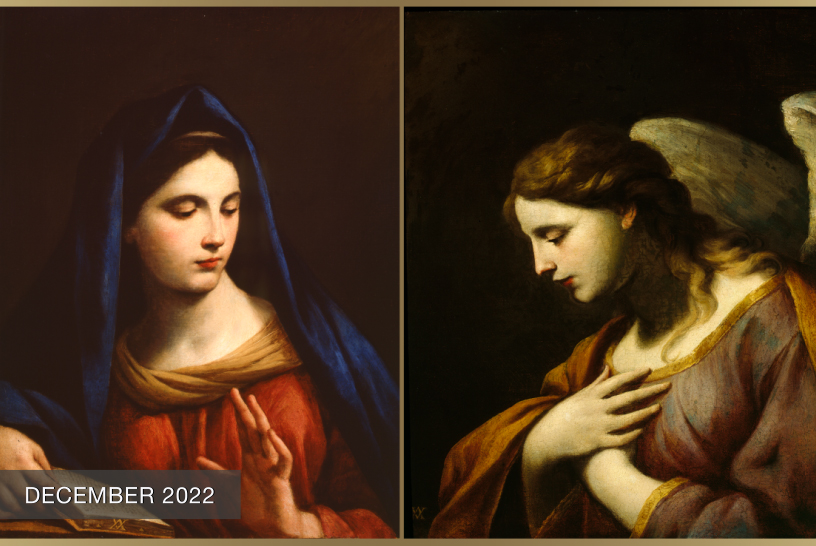
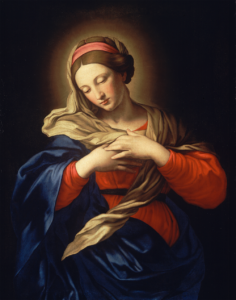
The Virgin Annunciate
Oil on canvas
Giovanni Battista Salvi, called Il Sassoferrato
Roman, 1609–1685
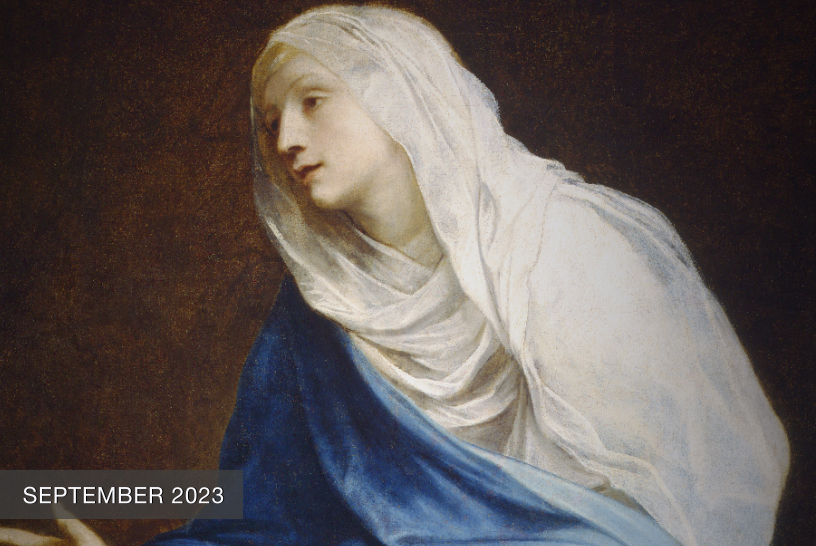
Giovanni Battista Salvi, called Il Sassoferrato received his nickname from his small-town birthplace in the Marches region of Italy, but he spent the majority of his career in Rome. He probably received early instruction from Domenichino, whose clarity, refinement, and idealized beauty significantly influenced the formation of Salvi’s derivative, yet individualistic, style. Other artists whose work in the soft classical style affected Sassoferrato include Guido Reni and Raphael. In fact, the 19th-century historians believed that Sassoferrato’s works were by a contemporary of Raphael.
While he was known as a talented portraitist and painted few large altarpieces and church decorations, he seemed to prefer the smaller, devotional works, which he continued to repeat and perfect. His signature palette is dominated by vibrant blues and reds—often juxtaposed in the same painting.
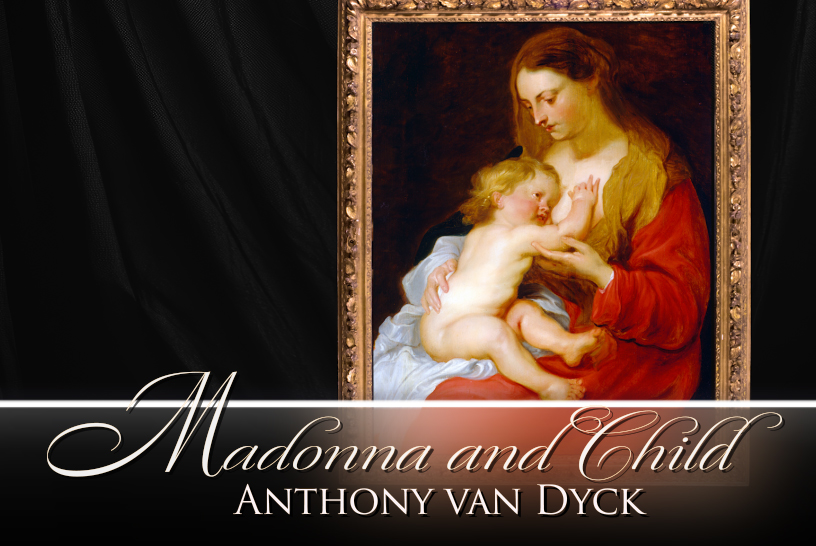
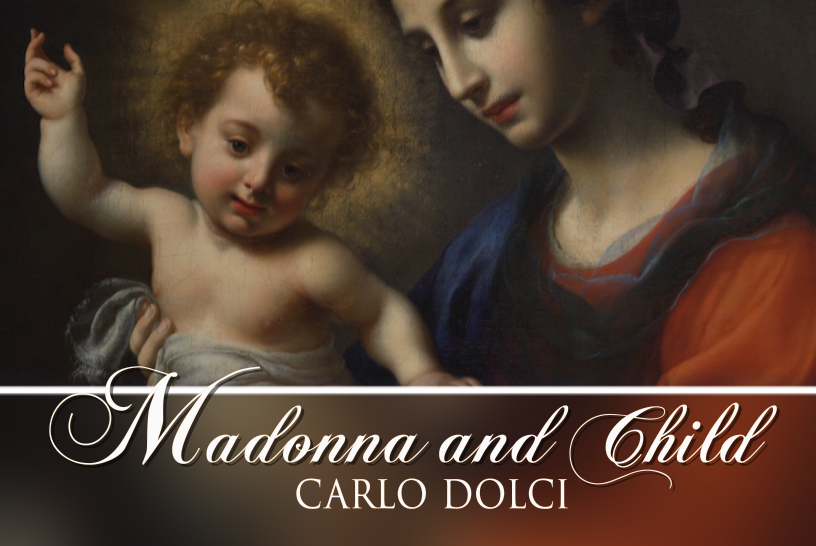
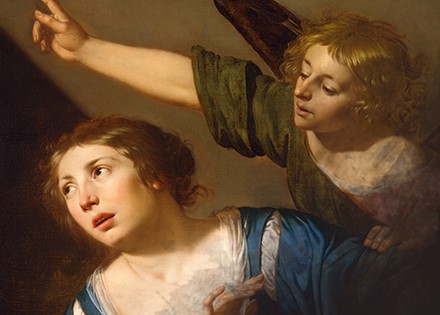
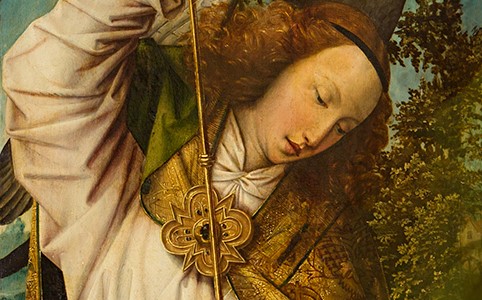
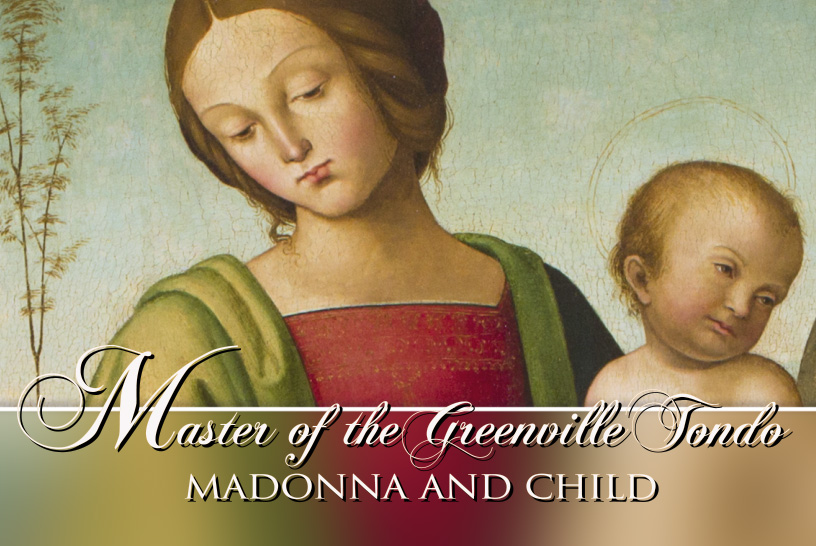
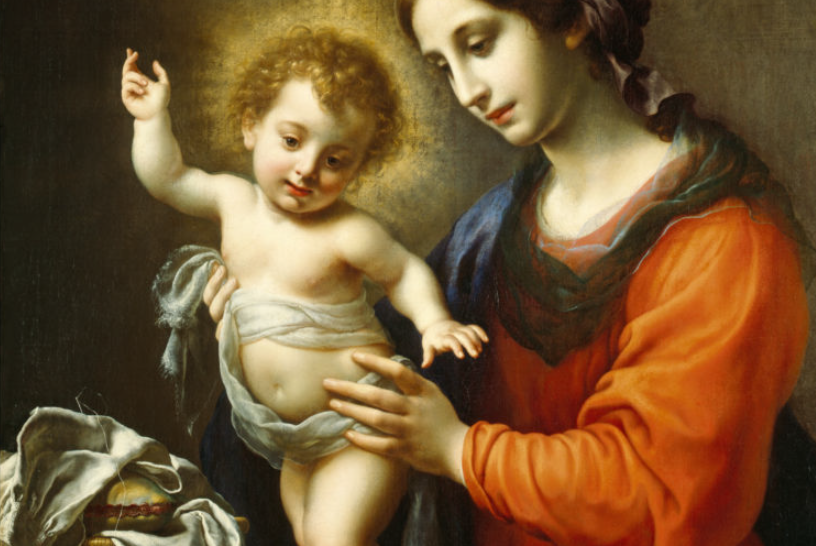
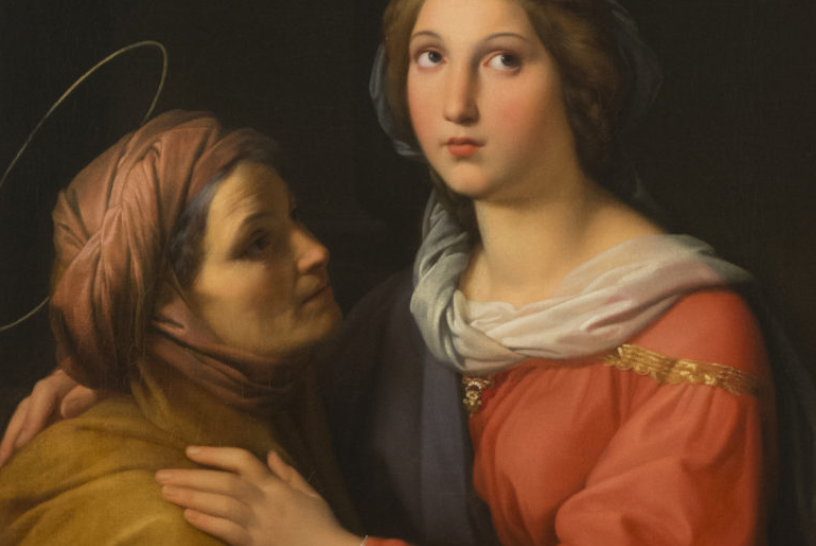
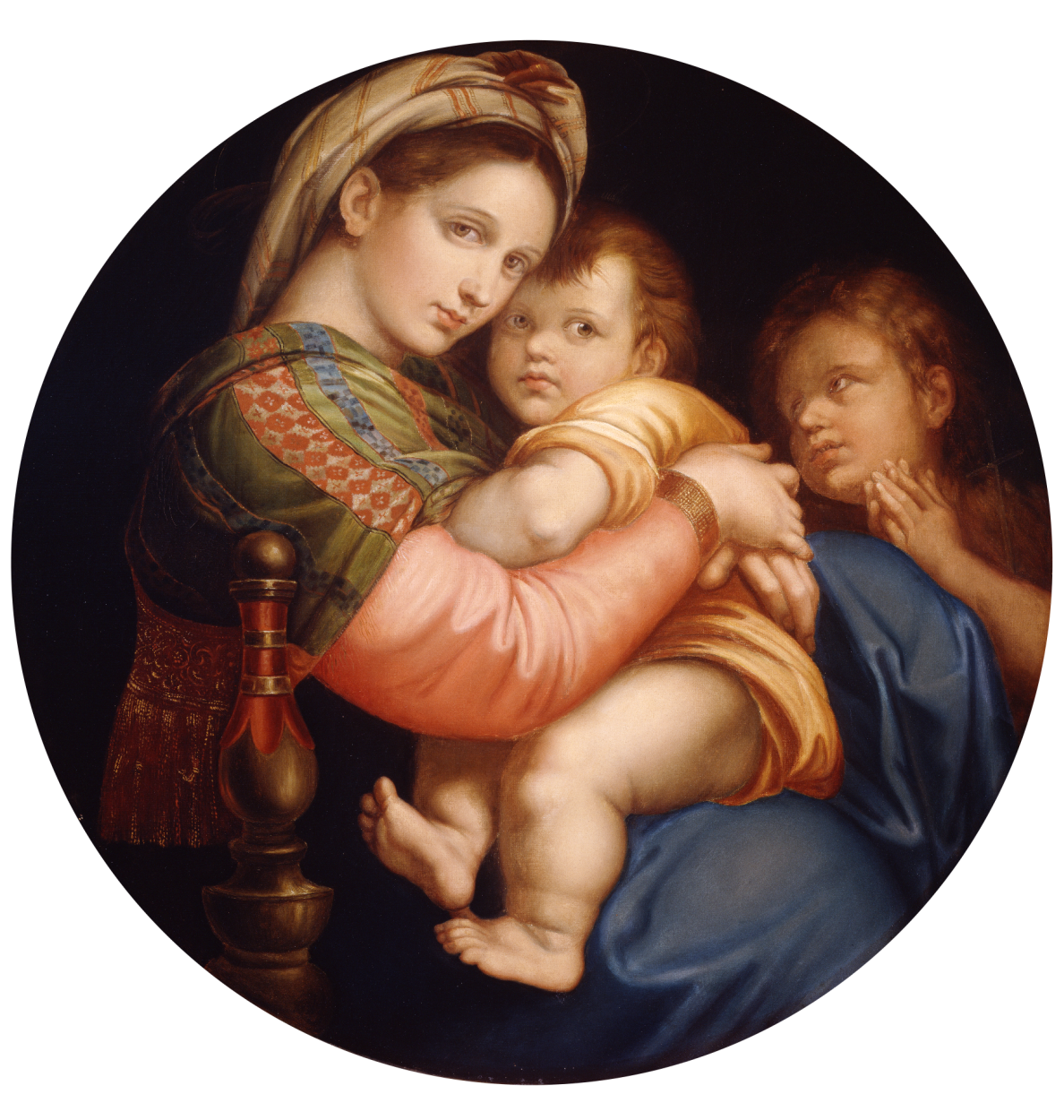
Common with Counter-Reformation artists, the theme of the Madonna certainly developed into a favorite of Sassoferrato, later earning him the nickname, “the painter of beautiful Madonnas” by 18th-century art historian Pietro Brandolese. Reacting to the accusations of heresy and idolatry leveled by the Reformers, 17th-century patrons, both ecclesiastical and private, developed a stronger proclivity to images of Mary. Artists such as Carlo Dolci and Sassoferrato met the demands of this burgeoning market for highly polished and deeply pietistic paintings. Drawing from a handful of stock compositions and using some variation, Sassoferrato mass-produced scores of devotional paintings, focusing on compositions with 1-3 individuals, often featuring Mary, the Christ Child or both. However, the present composition is an exception; he used it only twice. Devotional works like The Virgin Annunciate (traditionally paired with a painting of Gabriel, the angel of the annunciation) were meant to inspire greater contemplation about remarkable saints who devoted their lives to God.
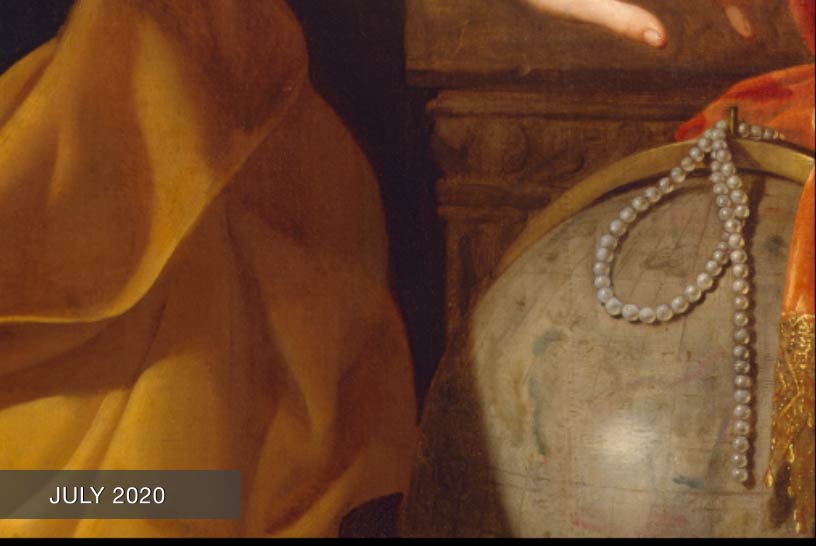
Sassoferrato’s ability as a draftsman could rival nearly any of his contemporaries. The contemporary Roman sculpture of Gian Lorenzo Bernini probably inspired the swirling drapery, a high baroque device used to intensify the visual impact. The vivid ultramarine blue of the Virgin’s robe illustrates his simple, but vibrant, coloration.
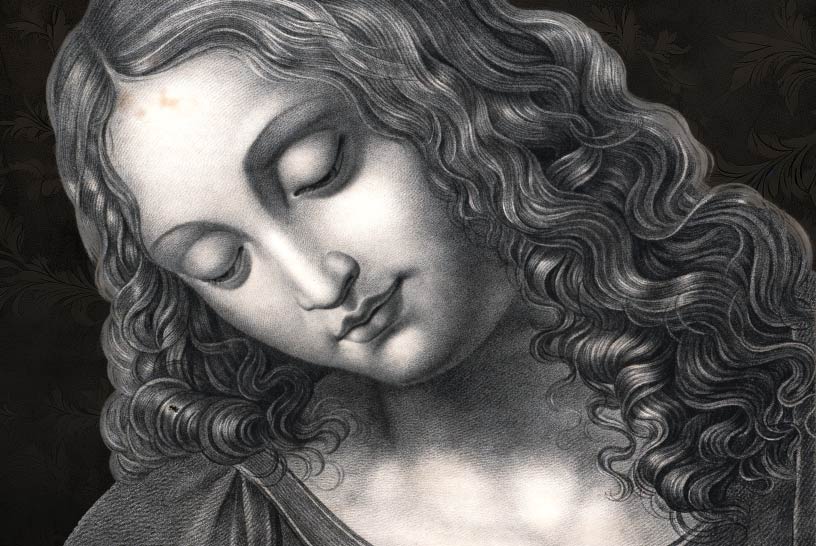
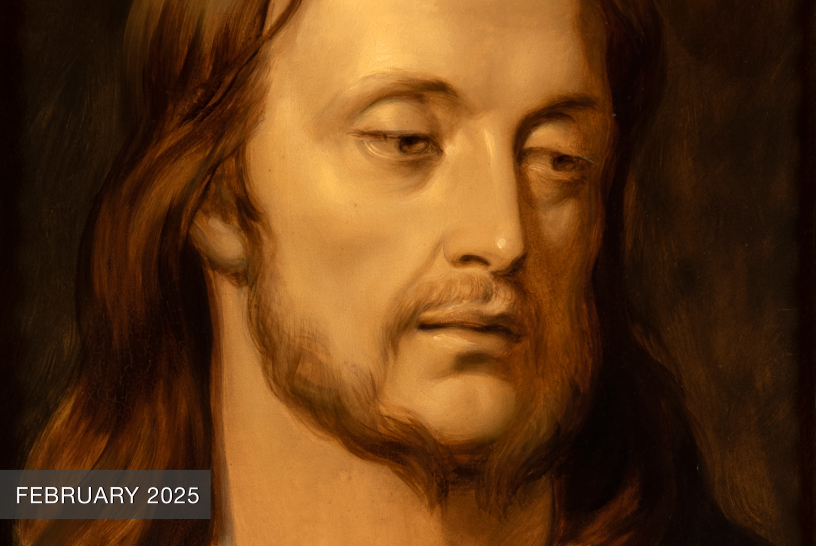
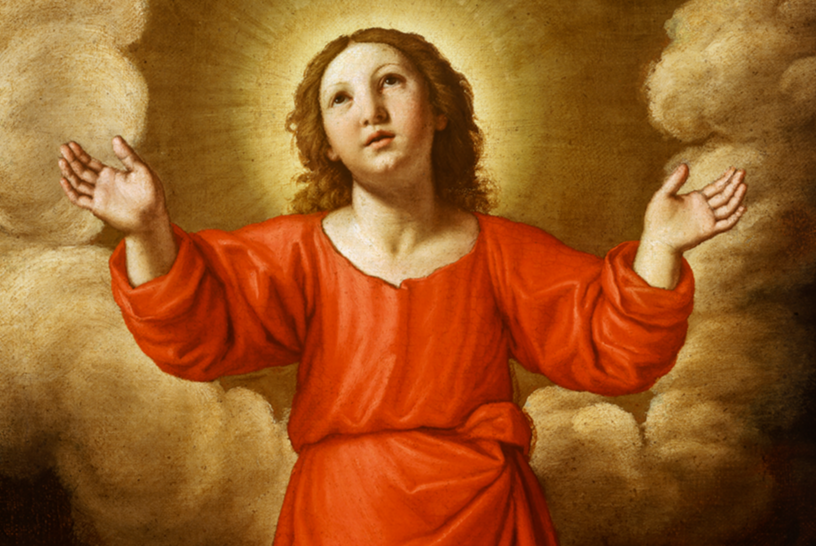
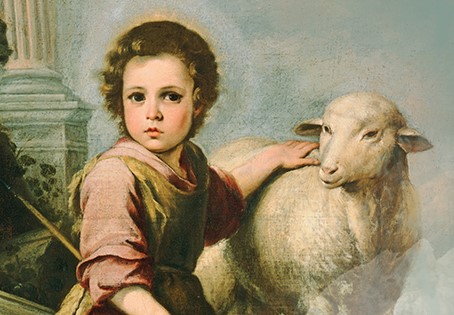
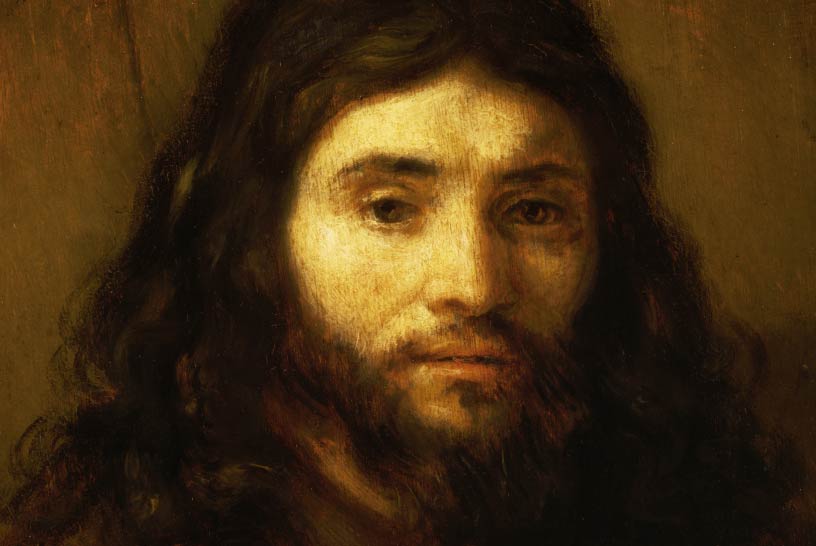
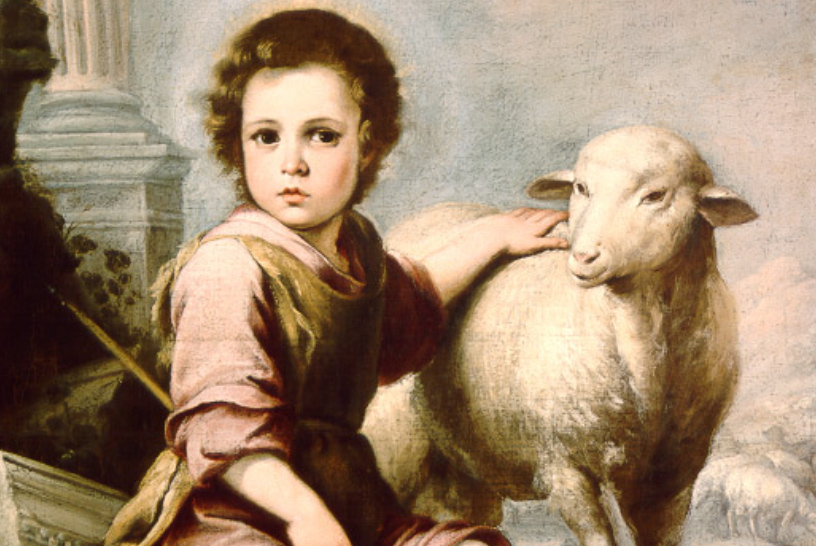
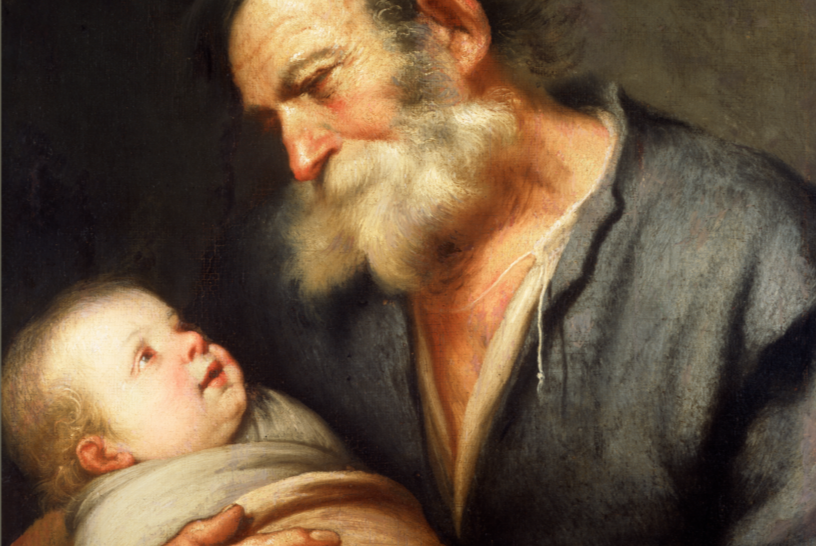
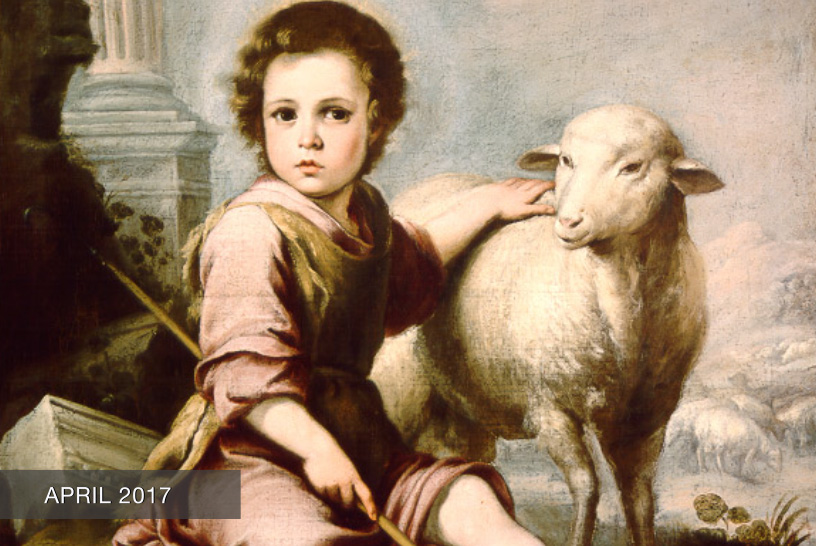
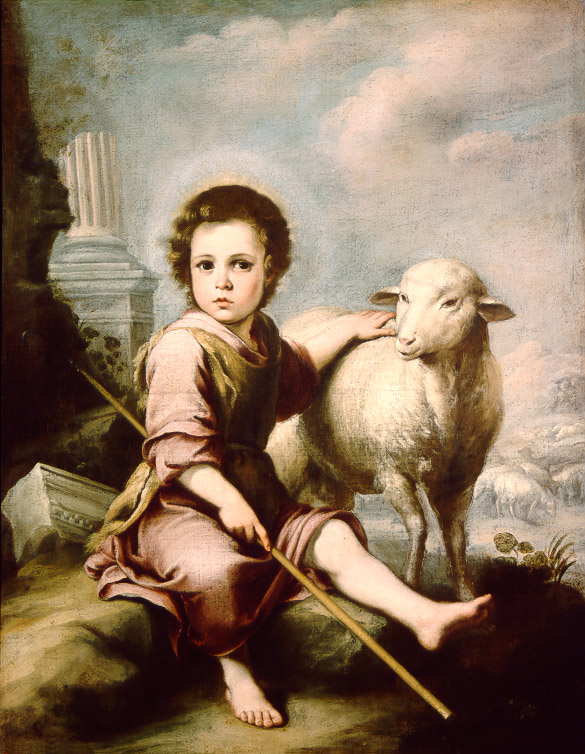
M&G’s The Young Christ is also by Sassoferrato and represents another unique example of the artist’s style—copying other masters’ works by lifting a figure from a painting and making a new work of art focused on the borrowed detail. Sassoferrato became a supplier of devotional images, which matched the environment of the Roman church’s focus in the 17th century. He created familiar images through his large production of copies for a devout audience with limited resources, yet who desired beautiful, quality compositions. His work and skill filled an important role in the period, which earned him a valuable place within the old master tradition.
Francois Macé De Lepinay in the 1990 exhibition and catalogue focused on Il Sassoferrato writes, “Salvi’s art is not confused with that of anyone else. It is enough to compare one of his masterpieces with a work by another artist, to immediately recognize the manner of Sassoferrato. The one who, in the midst of a century characterized by the abundance of styles and tastes, was able to invent an impasto, to use the brush in a very particular way and to develop unusual projects; he is truly a man apart, capable of making choices that may baffle critics.”
Adapted by Erin R. Jones from the 2001 publication, Selected Masterworks from the Bob Jones University Museum & Gallery
Published 2026
Published 2026